
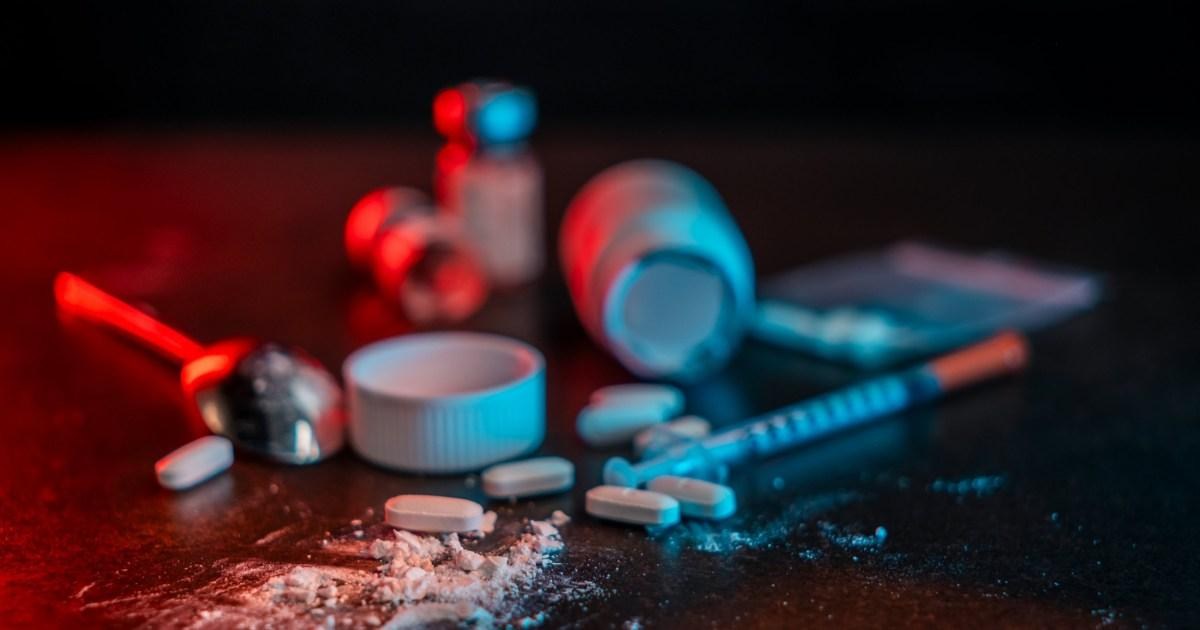
Ketamine is popular among younger people (Picture: Getty Images) Doctors have revealed children as young as 13 years old are showing signs of ketamine bladder damage. Medics at Alder Hey Hospital in Liverpool running a dedicated clinic have seen many adolescents who have been taking the drug for a year or more. This means some are likely to have started taking it when they were 12 or younger. Ketamine (ket) is a type of painkiller and anaesthetic drug. In the UK, it’s a controlled substance, meaning there are strict rules around how it can be prescribed and used. However, it’s also known as a ‘party drug’, meaning younger people are particularly susceptible to ketamine abuse, with those aged 16 to 24 being nearly four times more likely to use ket than adults. Its popularity is booming, with Border Force seizing a record 1,298kg of ketamine in the first three months of 2026, the highest quarterly total for 15 years. Medics told the BBC some of the young patients had emotional trauma and began taking ketamine to help ‘shush’ or quieten their brain, after being sold it for affordable prices. So, if you’re a parent with a teenager or tween, it’s worth keeping an eye out for signs your child could be turning to ketamine. High anxiety levels can be a key indicator (Picture: Getty Images) What does ketamine do to the body? When it comes to ketamine Dr Lucy Hooper, GP and co-founder of Coyne Medical tells Metro that it’s different from many other painkillers and anaesthetics. Ask Metro Use AI to go deeper into the stories you care about – powered by Metro and trusted publications. ‘At higher doses and concentrations, it can produce what we call a dissociative state,’ she explains. ‘This means people can appear almost trance-like, very disconnected from their environment and from what is happening around them.’ The most well-known symptom resulting from regular ketamine use is bladder problems. Doctors told the BBC many young people described ‘peeing a jellyfish’, which happens when urine becomes stringy because the bladder’s protective lining is being shed. What does ketamine look like? Ketamine is a clear liquid that is injected, when used in medicine. But, when sold illegally it comes in the form of a grainy white or brown crystalline powder. It can also be made into tablets, but this is less common. ‘It can also cause a type of cystitis, or inflammation of the bladder, which can lead to pain when passing urine, pain in the bladder or pelvis, blood in the urine, and needing to pass urine suddenly or much more frequently,’ Dr Hooper adds. UK Addiction Treatment Centres (UKAT) says these symptoms are often accompanied by a pain so intense that it is described as feeling like ‘peeing glass’. Around a quarter of ketamine users will have these bladder symptoms, according to clinical studies. ‘So if we’re talking about teenagers, think about not just what’s going on in their bedroom, but the bathroom as well,’ the doctor suggests. Children are most likely taking it in powder form (Picture: Getty Images) The GP says the drug targets different receptors and pathways in the brain and body, the main one being the NMDA receptors which control your memory and brain development. What is a 'K-hole'? One of the most extreme psychological states caused by ketamine is known as the ‘K-hole’, according to UKAT. In this condition, dissociation becomes overwhelming, leaving people unable to communicate or move with ease. This can be a terrifying experience that feels like being trapped in their own mind, or it can feel dreamlike and detached from reality. ‘It also increases activity in the sympathetic nervous system, which can raise heart rate and blood pressure,’ Dr Hooper adds. ‘Its effects on the brain are also why it can cause hallucinations, vivid or frightening dreams, headaches, blurred vision, confusion and a sense of being detached from your body or surroundings.’ While the drug is intended to preserve breathing, this can still be impacted by the drug especially if taken in high doses or mixed with other substances. ‘Gastrointestinal symptoms are also quite common, including nausea, vomiting and abdominal pain,’ the doctor says. ‘This isn’t just about uncomfortable symptoms. In the most severely affected, ongoing ketamine use can cause significant damage to the bladder and urinary tract, and result in long-term kidney problems.’ How addictive is ketamine? The drug is definitely an addictive substance that should only be administered or prescribed by medical professionals. ‘The psychological dependence on it can be very significant, and cravings for the drug, or for that dissociative state, can become very strong,’ Dr Hooper says. ‘But ketamine dependence and withdrawal may not look like the more obvious patterns people associate with other addictive drugs.’ What do parents need to look out for? While there is no single symptom that will tell you your child is using ketamine, UKAT warns: ‘The earlier these warning signals are recognised, the quicker action can be taken to prevent the situation from worsening.’ Physical signs Dr Hooper says to look for your child suddenly needing the toilet much more frequently to pee, them getting up in the night to urinate, or complaining of bladder or pelvic pain. They may also have recurrent abdominal pain or vomiting. UKAT also advises to look out for noticeable weight loss or changes in their appetite, lingering fatigue or low energy, as well as poor coordination and frequent unsteadiness when moving. ‘They can appear intoxicated without smelling of alcohol,’ Dr Hooper adds. ‘And they can seem confused or experience hallucinations.’ Talking to your teen and letting them lead the conversation is important (Picture: Getty Images) Psychological and behavioural signs The GP suggests that changes in mood, heightened anxiety, and difficulty concentrating could also be indicators. ‘Look out for unexplained spending or asking for money more often than usual,’ she adds. ‘Are they becoming more isolated from usual friendship groups, or becoming more secretive about where they are going and what they are doing? ‘None of these signs on their own proves that a young person is using ketamine. It’s the overall pattern, particularly if several changes are happening together, that should prompt a calm conversation and, if needed, medical or specialist support.’ How to help your child if they’ve taken ketamine If you believe your child is taking ketamine, helping them is the most important thing, according to Dr Hooper. ‘These conversations are best held when the child is not intoxicated,’ she says. ‘If you’re the one starting the conversation try and explain why you’re worried. ‘Teenagers sometimes find it easier to talk when they’re not looking directly at you. That can make the conversation feel less intense. So, that might mean starting a gentle conversation while you’re driving in the car, going for a walk, or getting dinner ready together. ‘Tell them what you’ve noticed — perhaps changes in their behaviour, mood, or other physical changes — and give them a chance to open up.’ If they admit to using ketamine, Dr Hooper wants you to follow their lead. ‘Don’t pressure them to tell you absolutely everything in the next five minutes,’ she adds If possible the key things to find out are what they’ve been taking, how often, and whether they’ve been using other drugs as well. Also ask about any physical symptoms, especially bladder symptoms such as pain, urinary frequency or blood in the urine. You should then book them in with your local GP, unless they’re struggling with their breathing, they’re confused or are struggling with consciousness, which is an emergency and you should call 999. ‘A doctor can help assess any physical or psychological symptoms and connect you with appropriate services in your local area,’ the GP says. For more information about drug use, you can visit FRANK. Do you have a story you’d like to share? Get in touch by emailing MetroLifestyleTeam@metro.co.uk Deals of the Day Oodie’s cosy blanket sale has arrived just in time for Christmas shopping Save over £700 on Simba's top-rated mattresses in this limited-time sale Topman’s new-season collection has arrived and prices start at just £10 An Instagram mattress left me with back pain – this one completely changed my mind From £700 MacBooks to discounted iPhones, the best Apple tech for studentsb Arrow MORE: Supernanny Jo Frost reveals well-meaning habit can make kids ‘snappy and rude’ Arrow MORE: The dangerous social media scoreboard ‘game’ every parent needs to know about Arrow MORE: Jessie Cave thinks handling one child is harder than 4 – here’s what parents think The Slice Your free newsletter guide to the best London has on offer, from drinks deals to restaurant reviews.
There’s a ketamine boom among 13-year-olds — here’s how to spot if your child is taking it
Full Article
Original Source
Read the full article at Metro →KhanList aggregates and links to publicly available news content. We do not host full articles from third-party sources. Always verify important information with original sources.