
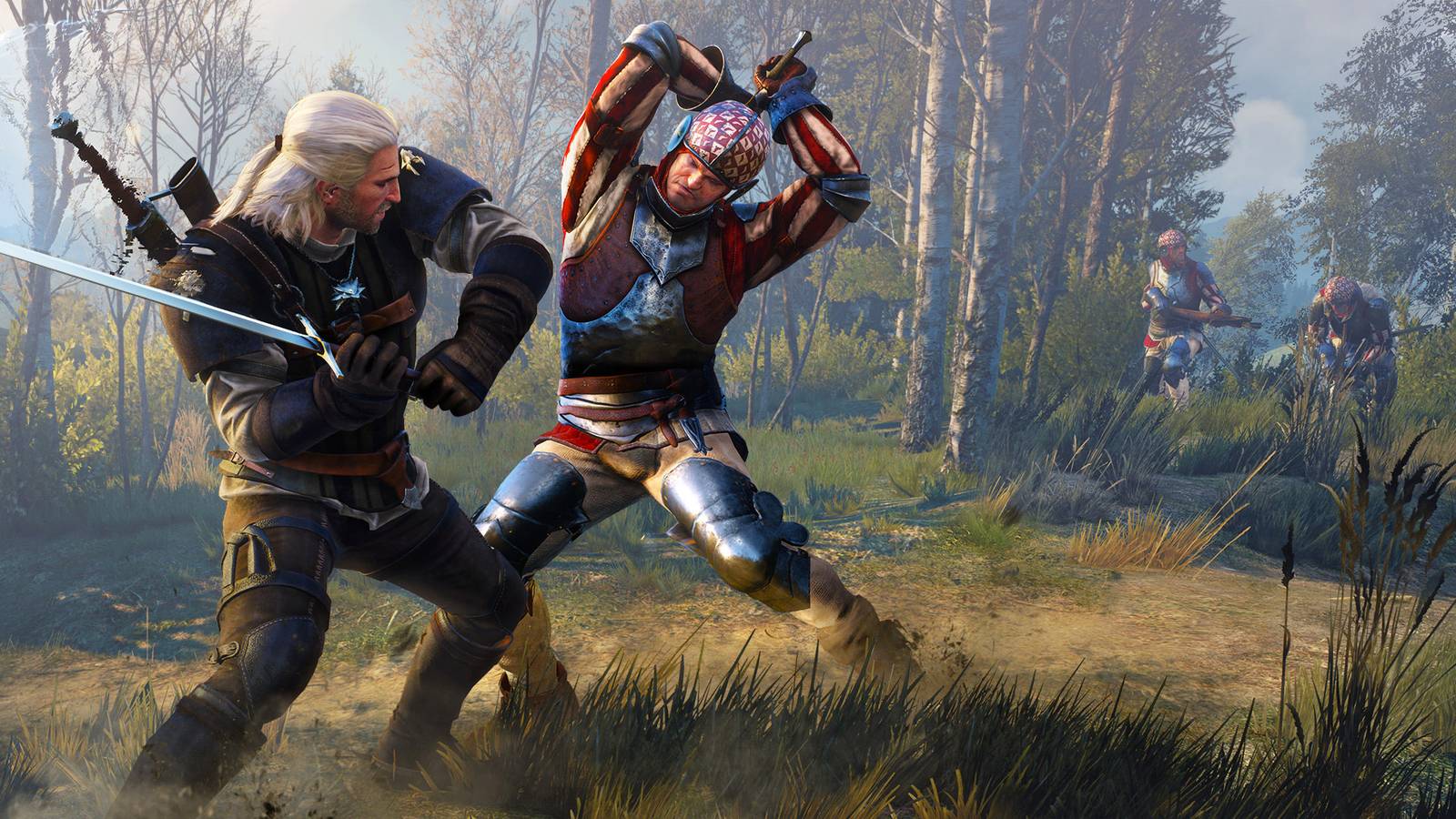
Published Oct 30, 2026, 6:00 PM EDT Ford James is a UK-based freelance games writer at Polygon. He also has bylines at industry-leading outlets including GamesRadar, Eurogamer, PC Gamer, and more. He mostly writes about FPS games such as Call of Duty, Battlefield, and Arc Raiders, but is also partial to a decent RPG, roguelike, or sports game. He's a huge Pokémon fan, thinks The Witcher 3: Wild Hunt is the best game of all time, and has a degree in Games Journalism & Public Relations. Ladies of the Wood and Beyond Hill and Dale are both excellent Image: CD Projekt Red As a franchise spanning video games, books, and a television series, The Witcher owes everything to 300-year-old fairy tales. The very first book, The Last Wish (which itself is a collection of short stories set in The Witcher universe), has a number of fairy tale references, including "A Grain of Truth" being a twist on Beauty and the Beast, "A Question of Price" bears close resemblance to Cinderella with a celebration at a ball and a knight that can only remove his helmet after midnight, and "The Last Wish" (the short story the collection is named after) is about a genie granting three wishes, a la Aladdin and the Wonderful Lamp. These inspirations continue through The Witcher 3: Wild Hunt, widely considered to be one of the best RPGs of all time. The third game in the series by CD Projekt Red famously raised the bar for the quality of its side quests, and there are two that truly embody that fairy tale formula, albeit with much darker themes. First up, and by far the most memorable of the pair as it's from the base game, is "Ladies of the Wood." If you've played The Witcher 3, you'll recall the Crones of Crookback Bog; a trio of witches who live in the swamp, known as the Weavess, Brewess, and Whispess. They are, for all intents and purposes, grotesque as hell. The three are sisters and daughters of the original Lady of the Wood, whose spirit lives beneath an ancient oak tree nearby, after the Crones killed her. Image: CD Projekt Red via Polygon Geralt's search for Ciri — the main storyline that runs through The Witcher 3 — leads him to an encounter with the Crones, but not before he meets a group of orphans being looked after by a woman known only as Gran. As it turns out, Gran is suffering from a curse that forces her to be a servant of the Crones. Her true identity is Anna Strenger, the lost wife of Philip Strenger, aka the Bloody Baron, the leader of a settlement on the other side of Velen. The Crones then reappear in a later quest, where they're worshipped by locals from a nearby village at the top of a mountain. Anyone who is personally chosen to visit the Crones for themselves ends up being eaten by them. In a fight where the odds are stacked vastly against her, Ciri manages to kill two of them, but the Weavess escapes. Hansel and Gretel is one key inspiration for the Crones, especially regarding the cannibalism and the fact they lure orphaned children into the woods. They're also reminiscent of the Baba Yaga, a Slavic folk tale of a repulsive old woman who eats children and lives in a forest hut. Finally, while not a fairy tale per se, they're inspired by the Three Witches from Shakespeare's Macbeth, and an adapted quote from "Macveth" appears in their bestiary entry in-game. There's arguably a series of quests that is even more derived from fairy tales in The Witcher 3, though, specifically in its Blood & Wine expansion. The Land of a Thousand Fables, aka the Fablesphere, is created by illusionist Artorius Vigo, and Geralt must venture into this mystical world to defeat the fairy tale-inspired monsters that have gone rogue. Image: CD Projekt Red This quest wears its fairy tale-inspirations much more proudly. Upon entering the Fablesphere, Geralt must follow a yellow brick road to save Syanna, the older sister of the duchess of Toussaint. Along the way, he encounters the Wicked Witch (The Wizard of Oz), he must plant three magic beans (Jack and the Beanstalk), visit three bears (Goldilocks and the Three Bears), defeat the big bad wolf (Little Red Riding Hood), and kill three evil boars (Three Little Pigs). Since Geralt is known as the White Wolf, it's a fitting end for the magical bovine creatures. There's also a side quest, "Duck, Duck, Goosed!" that is inspired by the character of Mother Goose, who appears in a number of English and French fairy tales. And believe it or not, that isn't even an exhaustive list of everything fairy tale-inspired that can be found inside the Fablesphere. There are myriad reasons you should play The Witcher 3 and its two (soon to be three!) phenomenal expansions, and the fact it features dark and twisted interpretations of classic fairy tales is just one of them. If you've never experienced it before, there's no better time than now, thanks to the recent remaster. And if you have played it before, jump back in, and keep an eye out for all the fairy tale aspects that you may not have seen the first time around. This story is part of Polygon's latest special issue, Happily Never After: A Week of Adult Fairy Tales, brought to you by The Wolf Among Us Remastered, out on Oct. 29. Wishlist Today
The Witcher 3’s Fairy Tale-Inspired Quests Are Must-Plays for Any RPG Fan
Full Article
Original Source
Read the full article at Polygon →KhanList aggregates and links to publicly available news content. We do not host full articles from third-party sources. Always verify important information with original sources.