
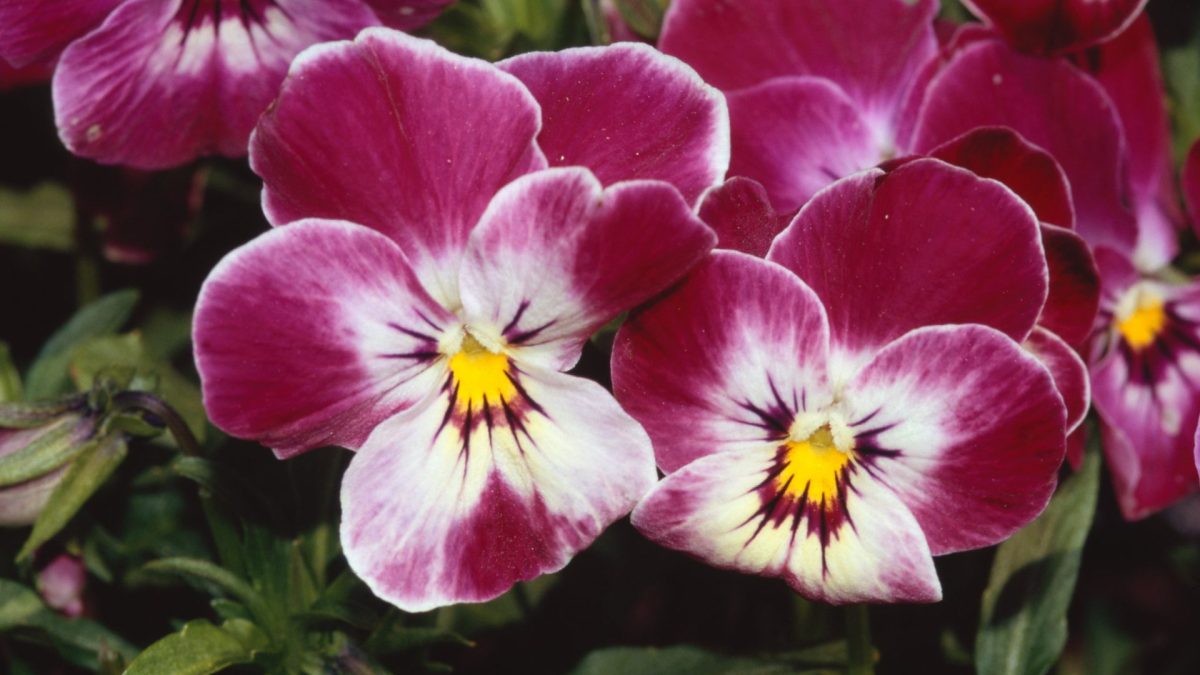
After the autumn equinox, which took place earlier this week, the garden slows down to a much more manageable pace, with watering needed only at longer intervals, ripening and maturing vegetables and fruit turning ready to gather more slowly, and the recovering lawn needing mowing only infrequently. It is all a bit of a relief, really – and just as well with evening now too short to get much done. All the same, it is nice to be out in the lovely autumn days, and there are some satisfying tasks to do. Shorts Lawns have been severely stressed by the hot, dry summer, and spiking them with a special tool or just your fork to remove compaction near the surface will help lawns to regrow in the remaining mild autumn and also absorb heavy winter rains without damaging puddling. Ideally, if possible buy some lawn top dressing – a mixture of compost, quality soil and special sand – and rake this into the holes you make to keep them open for a longer period, encouraging good root growth. Sieved compost mixed in equal parts with sharp sand will work nearly as well. In the South, bare patches can be reseeded by scratching seed into the soil surface with your rake, covering with a very little sieved soil, pressing by treading, and then covering with fleece to exclude birds. Further north, where the seed-sowing season is over, turf can be used. Turf can be laid all winter when the soil is not too wet or frozen. Primula polyanthus is a semi-evergreen perennial (Photo: Tim Sandall/RHS) Most lawns will have plenty of nutrients after the hot weather and lack of growth, and will not need an autumn lawn fertiliser. Using spring bedding plants in containers is very popular, as although winter colour will be limited, early spring flowers are usually abundant. The sooner they can be planted the better, so they develop strong roots. Double daisies, forget-me-nots, ornamental cabbages and kales, pansies, polyanthus, primroses, viola and wallflowers are all very tempting. Bedding cyclamen sold full of flowers now seldom last into the new year, but make fine autumn displays. Timing can be tricky. In mild autumns, which are now more common, late-summer plants including canna, dahlia, fuchsias and pelargoniums flower on and on, and it would be a shame to curtail them until you really have to. Frozen Bellis Perennis ‘Bellissima Red’ at RHS Garden Wisley (Photo: Anna Brockman/RHS) Buy plants anyway, in case the ones you want go out of stock. Keep new plants in good light, feeding every fortnight, and plant as soon as pots become free. Hard-hearted gardeners will remove flowers so that plants concentrate on root production. Gardeners with enough space might treat themselves to a separate set of frost-proof pots for winter use. As pots become free, plant up, adding bulbs to enhance and lengthen the display next year. Tulips stand proud over forget-me-nots, or mingle with standard wallflowers, but less lofty plants – arabis or aubrietia – are better suited to shorter hyacinths and species tulips. Little daisies and viola mingle well with grape hyacinths, scilla and snowdrops. Plants will do little growing until spring, so there is no need to feed now, and you can re-use spent potting compost from (disease-free) summer plants mixed 50:50 with fresh potting compost to save money. Small hardy woody plants are widely sold in 9-10cm pots for foliage shape, texture and colour over winter; try euonymus, hebe, Lonicera nitida, pittosporum, skimmia and conifers including Chamaecyparis lawsoniana “Chilworth Silver”. These, like the sedges (variegated carex are especially striking) and grasses (Festuca glauca is a common example), can be kept over summer for future autumn planting.
The winter-bedding plants to buy now before they sell out
Full Article
Original Source
Read the full article at Inews →KhanList aggregates and links to publicly available news content. We do not host full articles from third-party sources. Always verify important information with original sources.