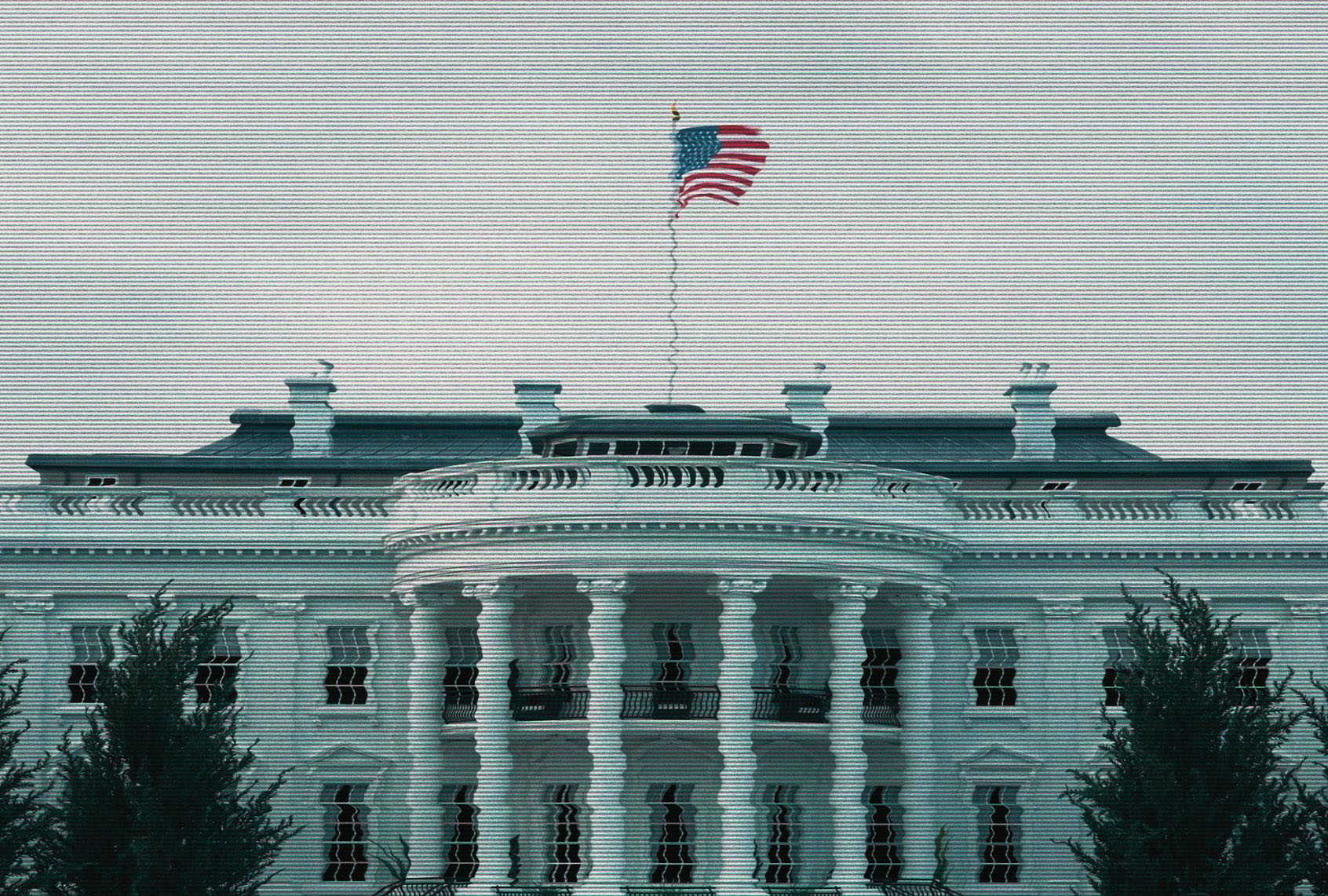
commentary Trump's novel cybercrime strategy threatens to backfire Published August 17, 2026 6:30AM (EDT) (Photo Illustration by Salon / Aerial Footage / Getty Images) A version of this essay first appeared in Crash Course, Salon's free morning newsletter. Sign up for early access to articles like this, plus more of Salon’s bold journalism on how policies, movements and culture wars affect real people. In late July, according to the FBI, utility companies in at least seven states experienced cyberattacks from “malicious cyber actors” who remotely accessed water management systems, causing loss of pressure and flooding. As it turned out, there were more hazards. The agency warned in a recent alert that “untreated ground water [could] seep into pipes.” At least 30 municipal water facilities were hit in Minnesota alone. These cyberattacks were likely launched by Iranian agents as part of Donald Trump’s ongoing war with the Islamic Republic he started alongside Israel, and they could become part of a new normal as the conflict drags on. Now, in a memo released Wednesday, the White House is attempting to fight back against cybercrime by encouraging private companies to go after transnational criminal organizations “by incorporating the ingenuity of the private sector.” Details are vague, but a fact sheet hints at combatting “transnational cybercrime, fraud and other predatory schemes against American citizens,” such as ransomware attacks, phishing schemes and sextortion. U.S. hacking laws prohibit individuals and companies from launching cyberattacks. According to TechCrunch, “the private sector can defend against incoming cyberattacks, but not launch of operate them,” a policy that spans several presidential administrations. This program is still in the very early stages, with more guidance coming in the next few months. But there’s no way this could possibly backfire, right? I’m kidding: Even under normal circumstances, giving private companies this much power is likely to incentivize inventing enemies to fight or drive unnecessary spending. That’s the military-industrial complex in a nutshell. You could say this program comes straight out of the Age of Sail, in which governments issued letters of marque and reprisal, licenses that authorized privateers to essentially practice legalized piracy, with private vessels attacking enemies of the state. Think of American shipping companies plundering British ships, which was common practice once upon a time. These letters haven’t been issued since the Civil War, but the parallel is obvious and creates shades of gray that could present major problems. Just look at Capt. William Kidd, who was hired by the British government to hunt pirates, but was later executed for being one. Start your day with essential news from Salon. Sign up for our free morning newsletter, Crash Course. Trump’s cyberattack program, in all likelihood, will just be another way for his tech-bro allies, like Peter Thiel of Palantir, to siphon more money from the government while doing next to nothing to actually protect Americans or improve their quality of life. This is especially concerning in light of recent news that the Homeland Security Department spied on left-leaning Minnesotans who criticized Immigration and Customs Enforcement. Think these tools and tactics won’t be used domestically? That would certainly buck the trend of U.S. tech companies that regularly surveil Americans, be it Flock Safety, whose ubiquitous cameras are being used to stalk people getting abortions, or Clearview AI, the facial recognition company that hunts migrants. A better solution might be to invest more in improved cybersecurity and critical infrastructure, like the power grids that risk being hacked. As they say, the best defense is a good offense. A digital bill of rights would be a major part of that by boosting privacy and protecting the level of data that corporations can siphon up about ordinary people. An even simpler solution, come to think of it, would be not picking fights with other countries that are likely to fight back. Alas, that’s probably too obvious a strategy for our tech-illiterate president, and not enough of a slush fund for Silicon Valley. Maybe someday we’ll have leaders who understand the internet and the importance of avoiding perverse incentives. Until then, it’s a good idea to keep your system software updated and use a strong password. Christianity grapples with the rise of an AI Jesus Trump’s immigration crackdown feeds on private data. It’s just getting started AI doomerism is misplaced. Here’s what it will take to pop the bubble Related Topics ------------------------------------------ Related Articles
The White House wants to encourage cyberattacks
Full Article
Original Source
Read the full article at Salon →KhanList aggregates and links to publicly available news content. We do not host full articles from third-party sources. Always verify important information with original sources.