
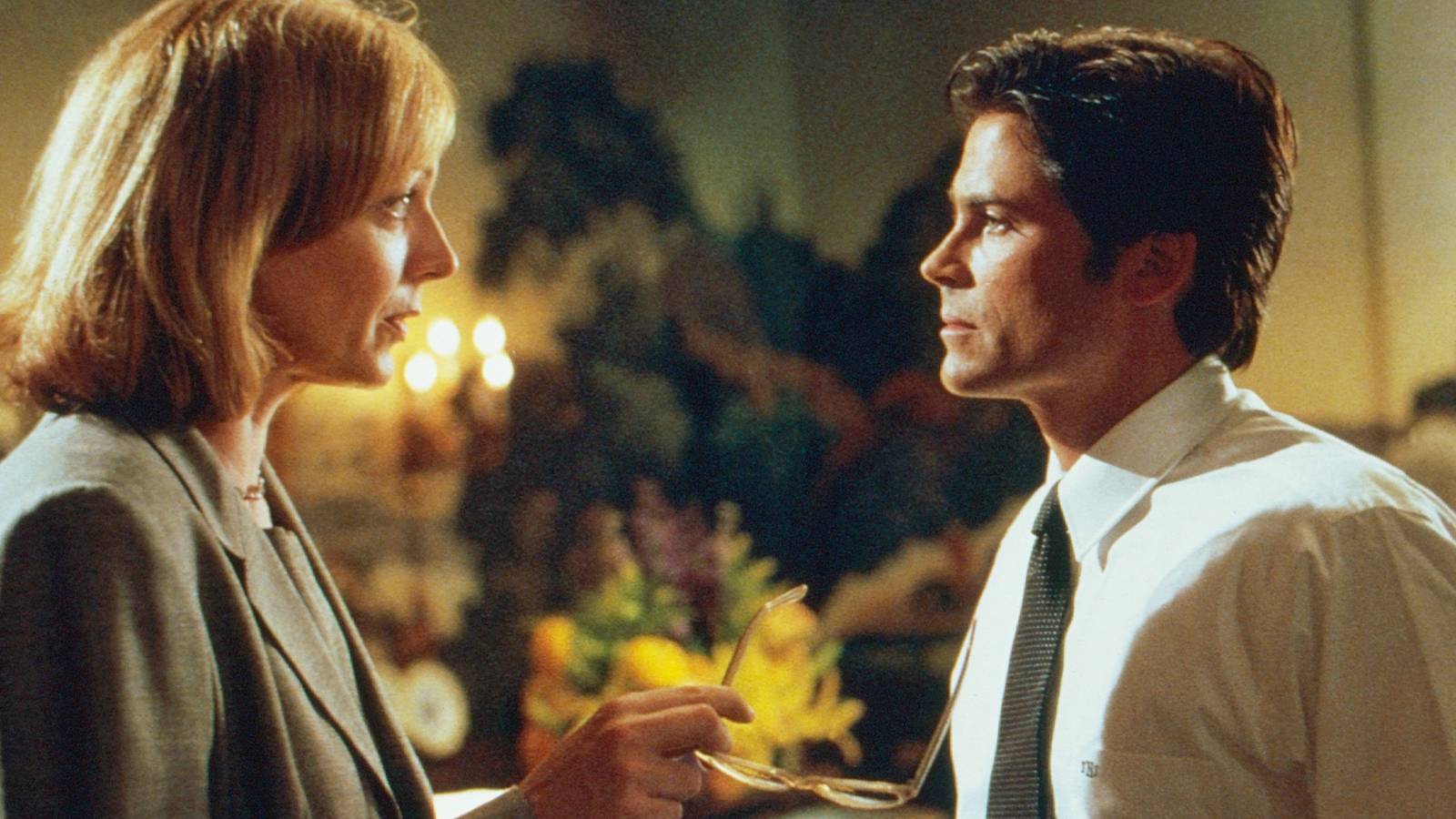
Published Oct 18, 2026, 12:30 PM EDT Casey Duby is an avid TV writer, watcher, and reviewer. She graduated from Emerson College in 2021 with a focus in Writing for Film and Television, where she wrote several pilots and watched countless more. She's been working in television ever since. Casey loves thoughtful content that makes her ponder our world and the people in it, and she's learned that any genre can surprise her. With favorites in every genre from horror to politics, family to action, nothing is off limits. Casey has experience working in TV development and writing scripted shows. Currently working as a Writer/Critic in Los Angeles, with an AMC A-List membership to boot, she is always hunting for the next good story and great theme song. Aaron Sorkin's The West Wing is known for its snappy dialogue and grand, sweeping assessments of all of America's most pressing issues. Its timeless takes on everything from the U.S. Constitution to the threat of a global pandemic have made the series TV's definitive political drama. Yet while the show remains iconic and relevant and iconic today, not every part of it has aged well. Though The West Wing has largely become known and praised for championing inclusion, equality, and healthy debate, some storylines no longer reflect those themes when viewed today. Sam's very first plot point, for instance, in which he slept with a call girl and then condescendingly insisted on shepherding her through law school, often against her own wishes, doesn't sit well today. It's not the only one. In fact, The West Wing's biggest political and cultural swing remains the show's most divisive. On October 3, 2001, The West Wing season 3 opened with an out-of-character announcement from the cast stating that this episode, titled "Isaac and Ishmael," should be viewed as a standalone play, completely separate from the rest of the show's cohesive story. What followed was clearly a response to the 9/11 tragedy, and while there are some things to appreciate about it, a present-day viewing of "Isaac and Ishmael" feels much less daring than it did upon its release. In fact, for a show that strove to depict an admirable democratic administration, some things about the episode even come across as ignorant at best and bigoted at worst. Leo Is At His Worst In "Isaac And Ishmael" Image via Netflix "Isaac and Ishmael" considered itself a play because it featured only two stories, and they both took place almost entirely in the same space. The episode opened with Bradley Whitford's Josh establishing that the White House was being put on lockdown so frequently that it was becoming impossible to get work done. Then, another lockdown sequestered him with a group of visiting high schoolers. The lockdown occurred because an arrested terrorist revealed the alias of his accomplice, and that alias matched the name of a White House staffer. After being confronted by the full force of the Secret Service, the staffer, Raqim Ali, was interrogated by Leo, who had already assumed the worst when he was briefed on the situation and responded with a grim, "It was just a matter of time." Leo's interrogation was offensive, with him insinuating that the U.S. military would teach Saudi Arabia's women to drive, sarcastically exclaiming that he was "racking his brain" to understand why "any time there's terrorist activity, people assume it's Arabs," and barely stopping himself from saying the entire line of questioning was "the price you pay for having the same physical features as criminals." Yet Leo's terrible line of questioning was actually the point of the episode, as Raqim was not at all a threat, and was instead a victim of racial profiling. By having Leo, an already beloved character, behave this way, "Isaac and Ishmael" highlighted that even familiar, well-meaning people can be prejudiced. Where the episode fell short, though, was in Leo's apology to Raqim after the fact. After Raqim was deemed fit to return to work, Leo approached him at his desk and offered an awkward, halfhearted apology, saying, "I think if you talked to people who know me, they'd tell you that that was unlike me. You know, we're obviously all under a greater than usual amount of... you know... And like you pointed out with the shooting and everything... Well, that's all." While he did explicitly apologize for a couple of specific things he said, Leo glossed over the insulting nature of the situation as a whole. Today, the "that was unlike me" line comes across as less of an apology and more of an excuse someone makes when caught in the act of prejudice, especially considering Leo struggled to complete his sentences. To top it off, the episode ended with Leo turning back around with a condescending, "Hey kid, way to be back at your desk." For Its Time, "Isaac And Ishmael" Was Actually Impressive Image via Netflix "Isaac and Ismael" aired three weeks and a day after the September 11 tragedies. For any episode of television to go from concept to broadcast in that turnaround time is noteworthy, and in this case, especially so considering the heavy, emotional nature of the topic at hand. Given how fresh the cultural wound was and how quickly the episode was assembled, there is a lot to admire about it. For the moment in time in which it aired, "Isaac and Ishmael" carried a much more calming, de-escalating tone than it does when viewed today. At a time when confusion, fear, and distrust were in the air, the rest of The West Wing's main characters' open discussion with this episode's high schoolers was informative in a completely non-combative way. As time puts more distance between "Isaac and Ishmael" and the event it was responding to, it becomes harder to envision the effect it had at its most critical moment. While the episode is far from perfect, it did its best to have a positive impact, which is what The West Wing was all about.
The West Wing's Most Divisive Episode Has Aged Like Milk
Full Article
Original Source
Read the full article at Screenrant →KhanList aggregates and links to publicly available news content. We do not host full articles from third-party sources. Always verify important information with original sources.