
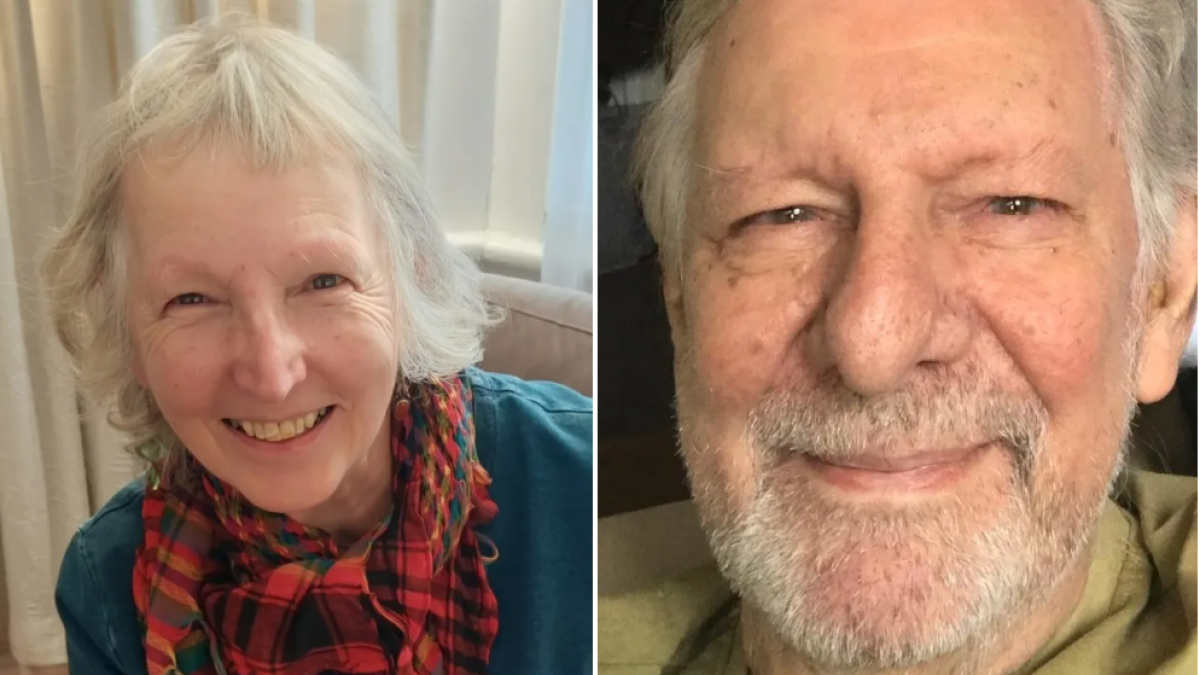
People with terminal illnesses are being left to die in hospital corridors and busy “impersonal” wards as a result of the financial crisis engulfing Britain’s hospices, their relatives have warned. More than 58,000 people and almost 300 MPs and peers are calling on the Prime Minister to act to improve end-of-life care before Parliament again debates legislation to legalise assisted dying. The testimonies gathered by the campaign show what the failure to provide that care can mean for families. In October, 75-year-old Ray Wells died of cancer on a hospital ward because his local community hospice had recently closed all its beds. “I weep at the difference [in care] now,” his partner Anna Ferrie said. “This needs to change.” The Every Hospice Matters campaign comes as new figures reveal the scale of the funding gap facing hospice care. Data obtained by Channel 4 News shows that hospices in England and Wales faced a £745m gap between government funding and the cost of delivering care in 2024. The gap has grown sharply over the past decade, from £414m in 2012 to £650m in 2023 and £745m in 2024. Government funding covered more than £450m of hospice care in England and Wales last year, while the cost of providing that care was around £1.2bn. The Prime Minister said in July that he believed palliative and social care funding needed to be fixed before the country moved ahead with the debate. “Personally, I think there’s something that needs to happen first, and that’s the fixing of the funding of palliative care and social care,” he said. “I think it is very challenging to introduce that wider debate in a context of people not receiving that care and having the peace of mind about that care.” It’s an issue Burnham clearly cares about. Earlier this month, he visited Wigan and Leigh Hospice, where he met patients and families read out their “Dear Prime Minister” messages calling for sustainable, fairer funding for hospices. He has since revealed the hospice will receive 15 per cent of his MP’s salary this month as part of his commitment to invest in good causes in his Makerfield constituency. ‘I’ve watched my parents die on busy hospital wards’ Bernie Pratten’s 96-year-old mother spent an entire day in a hospital corridor. She was dying. “There was nowhere else to put her,” Bernie says. Faye Sayers’s mother “begged” for a hospice bed in Eastbourne, where there were 21 beds but cuts meant only seven were available. Kathryn Cornish’s husband did not want to die at home. A lack of funding meant that is exactly what happened. Charlotte Nolan has watched both of her parents die on busy hospital wards. Rosemary Whitton, who has pulmonary fibrosis, could not get hospice support because there was no space. And Holly Child’s father never secured a hospice bed. While she is clear that her family was grateful for the NHS care he received, she believes he would have been more comfortable in a hospice, where specialist staff could provide expert pain management. These experiences have helped drive the Every Hospice Matters campaign, now backed by more than 58,000 members of the public and almost 300 MPs and peers from across the political spectrum. ‘People approaching the end of their lives cannot wait for reform’ Corin Dalby, who founded the campaign, told The i Paper she wanted to give a voice to the “tens of thousands of people who have chosen to stand with Britain’s hospices – including terminally ill patients, bereaved families and carers who know exactly what is at stake”. “At some point the question becomes very simple: Prime Minister, what are you waiting for?” she said. “Our hope is to take those names, and some of the people behind them, to Downing Street and ask the Prime Minister to receive the petition in person. If he is not prepared to do that, then I hope Parliament will be given the opportunity, as soon as MPs return from recess, to debate what these 58,000 people and hundreds of Parliamentarians are asking for and to allow MPs from every party to say where they stand. “People approaching the end of their lives cannot wait indefinitely for long-term reform. Sustainable hospice funding needs to become a national priority now.” Cross-party support for hospice funding The campaign has attracted support from senior figures across the political spectrum. Labour grandee Lord Blunkett, the Prime Minister’s political mentor, is backing the campaign and argued for providing 50 per cent of funding for hospices based on the previous year’s audited accounts, saying it “would bring about fairness and much needed stability and a recognition of their crucial role in end of life care”. Blunkett told The i Paper: “At the beginning of 2026, two of my longest standing friends entered Sheffield St Luke’s Hospice and were buried together in the April. “Hospice care made their final weeks as comfortable, supported and dignified as possible. The first couple to share final days together in the 55-year history of the Hospice.” Former Conservative leader Sir Iain Duncan Smith said the hospice movement was “the physical embodiment of compassion” and warned that “the dramatic level of underfunding” was putting hospices at risk of closure. Labour MP Graham Stringer said: “We have the drugs and the knowledge to train professional staff to make hospice care available to anybody who needs it. It is criminal to deny the funding.” And Liberal Democrat peer Lord Alton said: “This isn’t about left or right it’s about right or wrong – and it’s clearly plain wrong for hospices to be left struggling to fund their hugely important work.” Baroness Warwick of Undercliffe, a Labour peer, drew on her own family’s experience. “Without our local hospice and a sympathetic consultant, my beloved sister-in-law would have ended her life in a hospital corridor. Instead she was calm, happy and peaceful to the end. Wonderful and reassuring for the whole family.” 380 hospice beds are currently out of use The political backing comes as the financial pressure on hospices continues to intensify. Hospices across England ended the last financial year with a collective deficit of more than £70m – more than twice the previous year’s shortfall, according to the charity Hospice UK. Nearly six in ten hospices have made, or are considering, cuts to frontline services; specialist community hospice visits have fallen by 150,000 in a year; and 380 hospice beds are currently out of use. At least 33 hospices have already made significant cuts. Hospice UK says nearly one in three people who need palliative care already miss out on the support they need. It is calling for £112.5m in recurring government funding this year, as the first step towards an estimated £450m needed to fully fund specialist palliative care delivered by hospices. The Government says it has made the “biggest investment in hospices in a generation”, with £125m to improve facilities and a further £80m for children’s and young people’s hospices. But for the families behind Every Hospice Matters, the issue is already being played out in hospital corridors and wards.
The vulnerable people left to die in hospital corridors
Full Article
Original Source
Read the full article at Inews →KhanList aggregates and links to publicly available news content. We do not host full articles from third-party sources. Always verify important information with original sources.