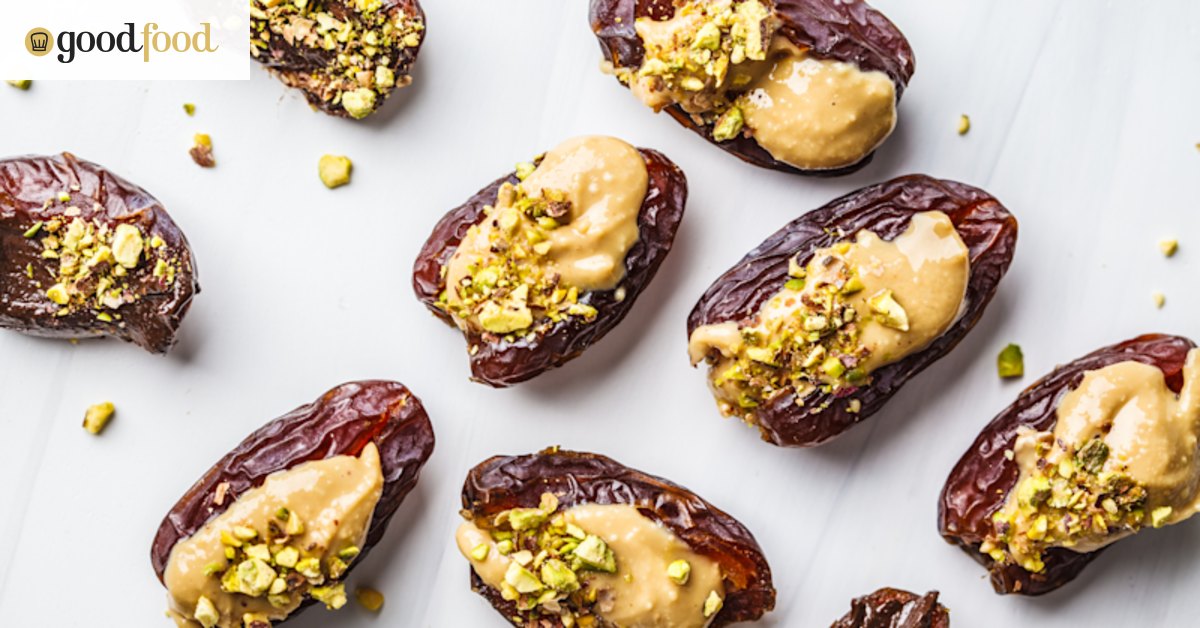
‘Nature’s candy’ also happens to be fibre-rich, high in nutrients and good for inflammation, making it an excellent, affordable sweet snack option.Emily KerriganJuly 27, 2026Caramelly and chewy, dates are nature’s candy – a toffee-sized fruit to satisfy sweet cravings in place of something that comes out of a wrapper. Dates are becoming an increasingly popular snack choice, with sales of Medjool dates rising, while searches for date butter and chocolate dates have increased by 458 per cent and 135 per cent respectively.Medjool dates are making a comeback.Getty ImagesOne of the beauties of dates is their culinary versatility. Think past date loaf and experiment with adding sweet notes to savoury salads, throwing a handful of chopped dates into a bowl to balance out peppery rocket or sharp cheese. Or try soaking dates in a little hot water for a few minutes then blending into anything from a sweet-and-sour marinade to a sweet-and-acidic vinaigrette. Whizzed to a sticky paste in a food processor, dates also help bind reduced-sugar bakes such as brownies.At their simplest, though, dates can be slit open, pitted and spread with anything from melted chocolate to nut butter to soft cheese. Although more costly than dried fruit such as raisins, dates are so intensely sweet that a little goes a long way. They have a long shelf life, too, so you can enjoy one or two then store the rest in a jar ready to call on as an immediate, hassle-free, nutrient-dense snack.Karen Martini’s seed, date, walnut and maple breakfast loaf WIlliam MeppemWhy are dates nutritious?The best recipes from Australia's leading chefs straight to your inbox.Sign upA small handful of dates counts as one of your five-a-day and provides a range of nutrients, being high in fibre, potassium, iron and a source of vitamin B3. Dates also provide some magnesium and calcium. Many dried dates contain the allergen sulphur dioxide, so check labels if necessary.The health benefits of datesSupports heart healthAs fibre-rich carbohydrates, dates help protect the heart: eating more fibre has been linked to a lower risk of cardiovascular disease, Type 2 diabetes and obesity, as well as lower cholesterol and lower blood pressure. Fibre does all this in three ways: It keeps us feeling fuller for longer which can help maintain a healthy body weight, in turn benefiting blood pressure, blood sugar and cholesterol management. It takes longer to digest, delaying the rate at which glucose and fats in our meals are absorbed into the blood stream. It provides food for the friendly bacteria in our guts, encouraging the production of short-chain fatty acids, or SCFAs. These SCFAs are thought to have cardio-protective characteristics.Helen Goh’s yoghurt pudding with mango and Medjool dates.William Meppem. Styling by Hannah Meppem.Good for the gutAs well as being beneficial to heart health, fibre and SCFAs are central to a happy gut, both nourishing the friendly bacteria in our gut microbiome and protecting the gut lining itself. Together, these promote a flourishing, healthy gut which has been linked to improved immunity and overall well-being. Polyphenols – powerful compounds contained in all plants, including dates – also nourish our gut microbiome.To reap all these benefits, including keeping our digestive system regular, Australian health guidelines recommend we should aim to eat 25-30g of fibre daily. One handful of dates provides around 2.6g of fibre.Peanut butter stuffed dates (with optional pistachios) are a healthy snack.iStockDates are micronutrient-richA handful of dates provides a range of vitamins and minerals which count towards our daily micronutrient targets and help us feel at our best. They’re high in potassium and chloride, which control fluid balance, and iron, which helps make the red blood cells that carry oxygen around our bodies. We also need the copper in dates to produce red and white blood cells. They’re equally high in manganese, needed to activate enzymes in our body, including those required for digestion. Finally, they provide vitamin B3 (or niacin) which also promotes digestion by helping us release energy from food, as well as supporting the nervous system.Antioxidant and anti-inflammatory propertiesDates are rich in polyphenols. These include beta-carotene, lycopene, flavonoids and anthocyanins. All have antioxidant and anti-inflammatory characteristics, meaning they help protect the cells in our bodies from damage, illness or toxins. Scientific interest in polyphenols is high and a growing number of studies indicate these polyphenols may have a role to play in either preventing or treating cardiovascular disease, cancer and obesity. Danielle Alvarez’s sweet and spicy roast chicken thighs with citrus, carrots and dates. William MeppemThey slow glucose absorptionSweetened only with fructose (natural fruit sugar), dates make a nutrient-dense, wholefood swap for a processed biscuit when we’re craving something sweet. Their GI – that is the measure of how quickly foods raise blood glucose – is low to medium because their high-fibre content slows digestion, preventing sugars from spiking. “Dressing them up” by eating them alongside some protein and healthy fat (for example by mixing them with nuts or nut butter) will also blunt glucose absorption. Put together, these factors help you avoid the energy-and-mood roller-coaster of sugar spikes followed by slumps that you’d instead get from eating a sweet biscuit.All the same, it’s important to remember that dates are still high in sugar, fruit sugar or not – so they should be eaten in moderation. If consumed in excess, dried fruits, like dates or apricots, can damage teeth, both because they’re sugary and because they’re sticky and tend to coat tooth enamel. Offset this by eating them either as part of a meal or, if snacking, pairing with another food (like that nut butter again).The Telegraph, LondonFrom our partners
The underrated dried fruit that lowers blood pressure and boosts gut health
Full Article
Original Source
Read the full article at Smh →KhanList aggregates and links to publicly available news content. We do not host full articles from third-party sources. Always verify important information with original sources.