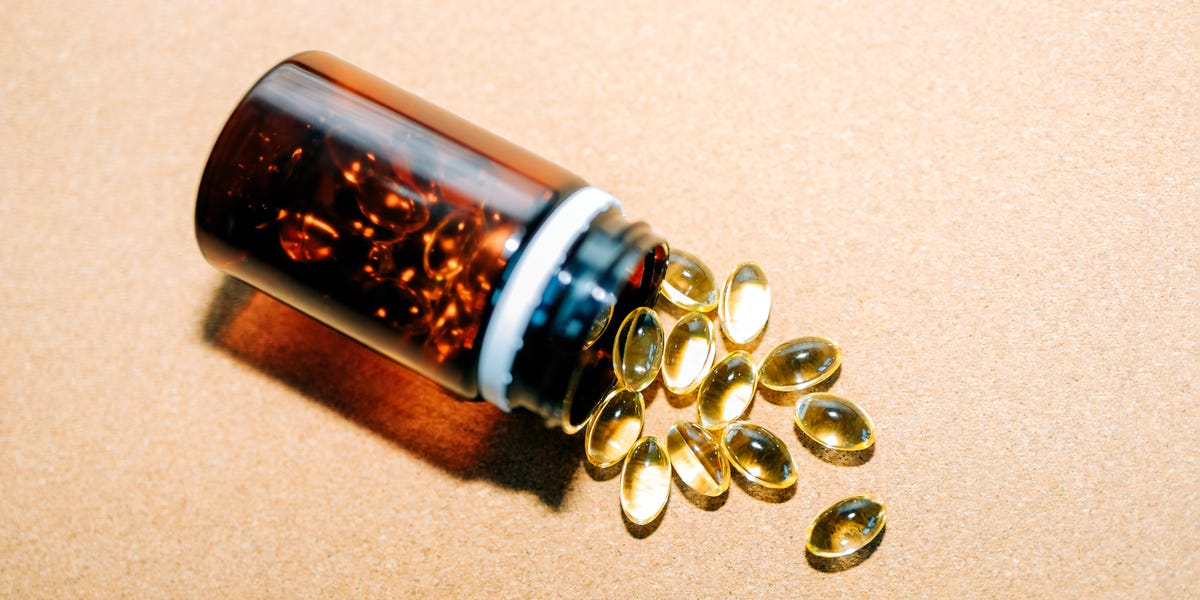
6 min readVITAMIN D IS kind of like the superwoman of the supplement world. This supp can do it all: its potential benefits include strengthening your bones and supporting your immune system, possibly lowering your risk of dementia.“Known as the 'sunshine vitamin,' it plays a vital role in overall health,” says Beth McQuiston, MD, RD, a neuroscientist, physician, and dietitian. Vitamin D plays a role in different bodily functions, the main one being helping your body absorb calcium and phosphorus. “Both nutrients are crucial for bone health,” adds nutritionist Keri Gans, RD.Meet the experts: Beth McQuiston, MD, RD, is a neuroscientist, physician, dietitian, and medical director for Abbott’s diagnostics business. Keri Gans, RD, is a registered dietitian and the author of The Small Change Diet. Jessica Cording, RD, is a registered dietitian and author of The Little Book of Game-Changers. Arashdeep K. Litt, MD, is an internal medicine physician. Sonya Angelone, RD, is a spokeswoman for the U.S. Academy of Nutrition and Dietetics. Marissa Karp, RD, is a dietitian and the founder of MPM Nutrition. Keri Peterson, MD, is an internal medicine physician based in New York City.While vitamin D is naturally found in some foods, added to certain products (think: fortified cereal and milk), and available as a dietary supplement, according to the National Institutes of Health (NIH), you can also get it from sunlight through vitamin D synthesis. Unfortunately, spending time outside likely won’t get you to your proper vitamin D levels—research estimates that about 18 percent of Americans are at risk of vitamin D deficiency.So what’s the deal with vitamin D and how can you tell if you’re getting enough? Here’s everything you need to know, according to doctors and registered dietitians.Benefits of Vitamin D1. It supports strong bones and can lower risk of osteoporosis.Vitamin D helps your body absorb calcium and phosphate, which helps build up and strengthen your bones, says Jessica Cording, RD. Not having enough vitamin D can also lead to your bones becoming thin and brittle, adds Arashdeep K. Litt, MD, an internal medicine physician. “Together with calcium, vitamin D helps protect older adults from osteoporosis,” she adds. (This is especially helpful for postmenopausal women.)2. It may help with your mood. “Vitamin D has been linked with preserving a stable mood,” says Cording. A 2022 review found that low vitamin D levels are associated with increased symptoms of depression and anxiety. The research suggests that vitamin D screening should be performed as part of the prevention and treatment planning for mood disorders.3. It fights bodily inflammation. “Vitamin D lowers inflammation, and inflammation is the common thread between most chronic diseases,” says Sonya Angelone, RD, a spokeswoman for the U.S. Academy of Nutrition and Dietetics. Some studies have suggested that low vitamin D levels may be associated with an increased risk of cardiovascular disease, but more research is needed, according to a 2023 study published in Cureus.4. It helps support your immune system.Vitamin D is pretty much the main character when it comes to regulating your immune system, per 2023 research published in Experimental and Molecular Pathology. “Those who are actually deficient in vitamin D are at an increased risk for infections, like acute respiratory distress,” says Marissa Karp, RD, a dietitian. Vitamin D deficiency can also increase your risk of autoimmune disease.5. It may help prevent cognitive decline. “Vitamin D is neuroprotective and actually reduces inflammation in the brain,” says Karp. So, when there’s enough vitamin D in your body, your risk of age-related cognitive decline, like dementia, may be reduced. A 2023 study in Alzheimer’s & Dementia Diagnosis, Assessment, & Disease Monitoring tracked 12,388 people without dementia to explore the associations between vitamin D supplementation and incident dementia. The results found that vitamin D exposure was associated with significantly longer dementia-free survival and a lower dementia incidence rate than no exposure.How Do You Know if You’re Deficient in Vitamin D?CausesThere are a few factors that might contribute to a vitamin D deficiency, per Dr. McQuiston, Karp, and Keri Peterson, MD, an internal medicine physician:Limited sun exposure (people who live farther from the equator, use sunscreen regularly, spend lots of time indoors, or have a darker complexion usually have lower vitamin D levels)Inadequate dietary intakeSome medications (like anti-seizure drugs and glucocorticoids)Certain medical conditions/surgeries that prevent fat absorption (like Crohn's/inflammatory bowel disease, celiac disease, ulcerative colitis, cystic fibrosis, and those who have had gastric bypass surgery)Pregnancy (those who are pregnant need more vitamin D, so they’re at a higher risk of being deficient)Symptoms Of Vitamin D DeficiencySome people who are deficient in Vitamin D may be asymptomatic, especially if their levels aren’t “marginally low,” says Dr. Peterson. But others might experience these deficiency signs, according to Dr. McQuiston, Dr. Peterson, and Karp:FatigueMuscle or bone painFrequent illnessHair lossMood changesImpaired bone growth (in children)Muscle spasmsVitamin D deficiency can lead to rickets, a disease in which the bones don’t properly mineralize, become soft, and cause skeletal deformities, according to the NIH. It can also lead to osteomalacia, a condition that causes weak bones.The only way to know where your vitamin D level stands is to get a blood test. And, in general, doctors only order these for high-risk patients, including those who may suffer from malnourishment due to a gastrointestinal disease, women who have been through menopause, and women who don’t have ovaries, Dr. Litt says.“You are what you eat, digest, absorb, transport, and metabolize,” Angelone says. “Same with vitamin D. Your levels depend on the ability of your body to adequately make vitamin D from the sun, transport vitamin D to the liver, kidneys, and cells through the body, then get absorbed into the cells.” If anything is off in those steps, you could have insufficient vitamin D levels, she says. If you’re concerned about your vitamin D levels, talk to your doctor—they should be able to order a blood test for you.Best Foods to Eat for More Vitamin DWhile most people get their vitamin D from sunlight exposure, it’s possible to get it from some foods. Here’s a breakdown of the biggies, according to the NIH, as well as Karp and Dr. Peterson:TunaCod liver oilTroutSockeye salmonLiverSardinesMushroomsFortified two percent milkFortified cerealEgg yolksCheddar cheeseHow Much Vitamin D Should I Consume Every Day?Vitamin D needs vary by gender and age, but most adult women need 14 to 70 micrograms (600 IU) of vitamin D per day, according to Johns Hopkins Medicine. (That number stays the same when you’re pregnant and breastfeeding too.)Okay, so what about that vitamin D you get from the sun? That’s tricky to calculate. “If you are fair-skinned and go into the sun for 10 minutes without sunscreen in simply shorts and a tank top, your body will make 10,000 IU of vitamin D,” Gans says. “The less skin exposure, the less amount your body will produce within the same time.”BTW, wearing sunscreen only “minimally lowers” vitamin D absorption through the skin (although more research is needed), per 2023 research in Cureus. So, make sure you slather SPF on before heading out.Overall, your best bet is to aim for 10 to 15 minutes of sunlight per day and eat a diet rich in vitamin D-rich foods like fatty fish and moderate amounts of fortified, low-fat dairy, per Johns Hopkins Medicine.It’s Possible to Consume Too Much Vitamin DIf you’re overdoing it on vitamin D—which is usually from supplementing too high a dose, not food—you might develop hypercalcemia, a buildup of calcium in your blood, says Karp.Dr. McQuiston, Dr. Peterson, and Karp say too much vitamin D may cause you to experience:NauseaVomitingMuscle weaknessFrequent urinationExcessive thirstDehydrationElectrolyte imbalancesBone painKidney issues/stonesThe maximum daily dose should be 4,000 units, says Dr. Peterson. But chat with your doctor at your annual physical after looking at your current vitamin D levels before adding this supplement to your routine—you might not even need it. And if you’re on any other medications, ask your doctor about whether any of your meds interact with vitamin D absorption.Overall, vitamin D can be a supplement rockstar when consumed correctly. If you’re interested in adding it to your daily intake, make sure to chat with your doc first.
The Ultimate Guide to Vitamin D: Health Benefits, Deficiencies, and How to Supplement
Full Article
Original Source
Read the full article at Womenshealthmag →KhanList aggregates and links to publicly available news content. We do not host full articles from third-party sources. Always verify important information with original sources.