
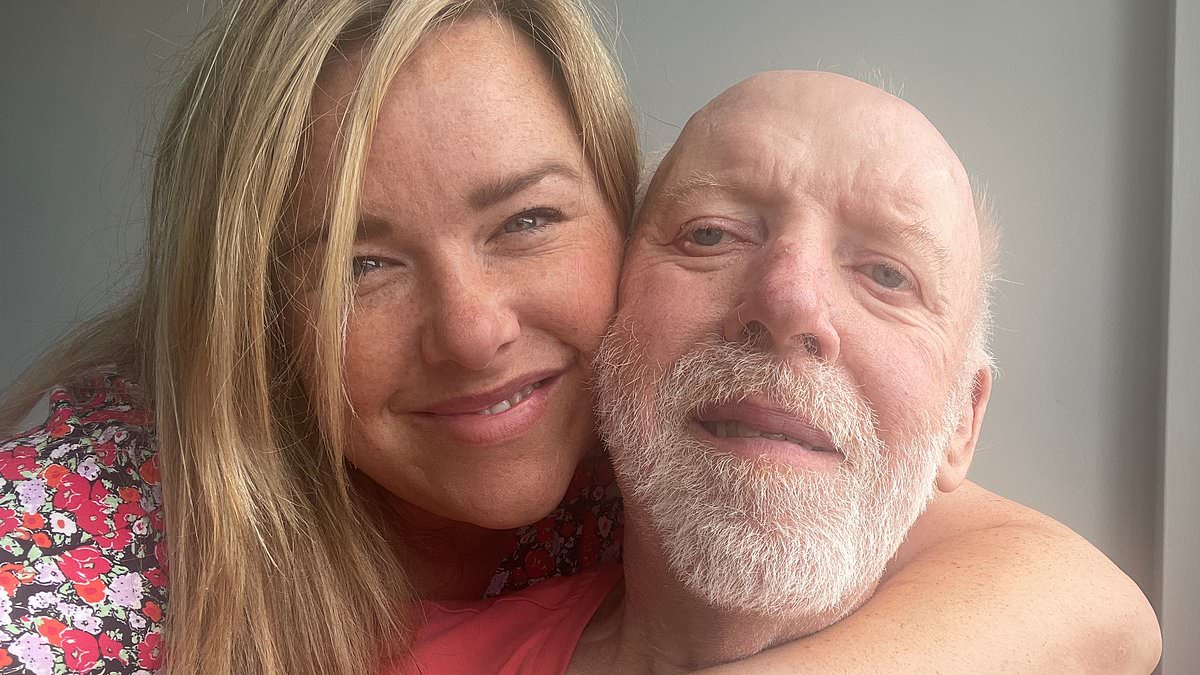
Over the many months – and often years – that I’ve watched carers looking after their loved ones with dementia, there is a familiar pattern of change.The exhaustion is real, as the sleepless nights and endless days take their toll. Some become ill with the effort.As a nurse and professor of dementia studies, I’ve seen it countless times. And I know that what they’re going through can feel like some of the toughest and darkest moments of their lives.The decline, after all, is inevitable. But being a carer, hard as it is, shouldn’t have to come at the expense of your own health and wellbeing. Today, an estimated 2.5 million people in the UK provide some form of care to people with dementia. For each one of them, the grief of slowly losing a loved one to the degenerative brain disease, which robs them gradually of their skills, memories and sometimes even character, is profound.There are consequences for carers’ mental and physical health, for their relationships, their family life and their careers. They face loneliness, exhaustion and a relentless barrage of responsibilities that can feel overwhelming.But The Mail on Sunday shares my view that this has to change. Launching this weekend is a major new Mail initiative, Dementia Carers Together, which aims to give tens of thousands of struggling unpaid dementia carers vital emotional and practical support.Alzheimer’s Society and Alzheimer Scotland, supported by the Mail and the Mail Force charity, aim to raise a minimum of £1million to fund courses running across the UK that will help carers access the financial and medical support they may be entitled to, and how to best manage loved ones’ changing needs while navigating the health and social care system.Crucially, these classes will help boost emotional resilience and give carers the toolkit to protect their mental health, and to know when and how to ask for help. Mother-of-two Gail Hobson has spent the last four years caring for her father, spending hours at his bedside everyday It’s something very close to my own heart. I’ve dedicated my career to supporting and championing dementia carers. And because my father had dementia, I know from personal experience how hard it can be for a family.But as the Dementia Carers Together programme correctly identifies, caring should not mean you have to sacrifice yourself.It’s vitally important that carers and their loved ones live as normal a life as possible with this disease.It might be hard to imagine sometimes, but it is possible to find precious moments of joy, which become all the more important as dementia takes hold.In my long experience with families and patients, I’ve learned there are things you can do to ease the burden, and which will make you and your loved one happier and more resilient in the face of challenges which lie ahead.Look after your own health firstThere's a saying from the aviation industry: put on your own oxygen mask before helping others. And that’s vital for carers.All too often I see carers falling ill, or even dying, because they neglected their health to prioritise the person they’re supporting. They don’t attend routine GP appointments or take vaccinations they’re offered, forget to take their medication, or ignore niggling symptoms until things worsen. It’s understandable when you’re exhausted and distracted. But if you become unwell, the entire care arrangement can collapse. Your loved one would want you to prioritise your health, even if they can’t say so now.Eating a well-balanced diet and staying hydrated is a good start. Make sure you’re eating fruit and veg as well as protein. Snacks are good enough if you don’t have time to make a meal and sit to eat it – keeping a fruit bowl around can be handy – and stay hydrated with a water bottle within reach.Don’t skip GP appointments, act on new symptoms and take the medication you’re prescribed.Recognise that you're a carer Gail aged seven with her father John, who today at 73 has dementia with Lewy bodies, which causes hallucinations, confusion and mood changes Gail with her father John and mother Shirley. They've tried to keep life as normal as possible, bringing family to visit and decorating for birthdays and Christmas We've tried to keep Dad's life as normal as possible For Gail Hobson, caring for her father over the past four years has been one of the most challenging periods of her life.Retired factory worker John, 73, has dementia with Lewy bodies, a form of the disease that causes hallucinations, confusion and mood changes.But mother-of-two Gail, 46, and her mother Shirley, from Spennymoor, County Durham, spend hours at his bedside every day to keep their lives as a close family as normal as possible.They chat to him, bring family to visit, get him outside and decorate for occasions such as birthdays and Christmas.‘The way that I’ve dealt with it is to try to bring a bit of humour into it,’ says Gail, a head of year at a secondary school. ‘It’s what Dad used to be like and I’ve taken over that job to keep everyone afloat.‘I still have conversations and wind him up over things, even if they are just one-way now.‘I wouldn’t have it any other way. We’re looking after him as best we can.’ It might sound obvious, but many people have told me they still think of themselves as simply a wife, daughter, husband or son rather than a carer.As a consequence they don’t seek support or realise what help is out there until it’s too late. Recognise that you’re a carer early, and contact a local carers’ organisation, which will prove invaluable.Health and social care workers are a great source of information and support, but might not really understand what you are experiencing personally. So these local organisations, usually run by charities, are a great one-stop shop.What is available to you will vary depending on where you are. They can help you work out what help and support you may be entitled to – from respite care to financial benefits to disabled parking permits – and how to fill in the forms.They can also offer guidance on how to manage dementia-related behaviour, which can be as simple as learning not to argue or correct, or how to respond to agitation and confusion. This all helps reduce disturbing episodes, which can escalate if handled the wrong way.Dementia Carers Together will boost that provision with new courses, so more carers can access the knowledge.Contact Alzheimer’s Society on 0333 150 3456 or visit alzheimers.org.uk. In Scotland, contact Alzheimer Scotland on 0808 808 3000 or visit alzscot.org.You can also find local carers’ organisations through Carers UK at carersuk.org/help-and-advice/get-support/local-support.Build a local support systemCaring can be very lonely. Even close friends and family don’t fully understand what you’re going through – the fluctuations in how the person is, the demanding behaviour, the sheer relentlessness of it, and the sadness you feel.But isolation is terrible for your wellbeing. The ones who do understand are other dementia carers, who are going through the same and can offer companionship.They can help by describing how they’ve survived – even prospered – by getting the right access to help and support. And many of them will have already navigated challenges that you will come up against, and can tell you where the elephant traps are so you don’t fall into any pits.This support is also brilliant for helping you work out which local services are worth approaching.Dementia cafes, also known as memory cafes, can be a great place to meet other carers, often alongside the person you’re looking after. There are also support groups specifically for carers, where you can speak more openly. To find one, ask your GP surgery, your local council’s adult social services department or the memory clinic where your loved one was diagnosed. Your GP may also be able to refer you to a social prescribing link worker, who can help you find community groups and activities nearby.Alzheimer’s Society has an online directory where you can enter your postcode to find dementia cafes, support groups and other services. Visit alzheimers.org.uk/dementiadirectory or call its Dementia Support Line on 0333 150 3456.If getting out of the house is difficult, the charity also runs a free online Dementia Support Forum, where carers can ask questions, share experiences and get advice. And don’t overlook your local council. You are entitled to request a free carer’s assessment, which can help identify support you need, including opportunities to meet other carers and arrangements that let you take a break.Make sure to get legal advice early People may still think of themselves as a husband or a wife rather than a carer, often not seeking out support or knowing what help is out there until it's too lateThis can save a great deal of stress, paperwork and expense further down the line. Every one of us should arrange a Lasting Power of Attorney, which allows a chosen representative to make financial decisions, or decisions about health and care, on your behalf if you become unable to do so yourself.The person with dementia must still have their mental capacity when they set up this arrangement. Importantly, a dementia diagnosis does not automatically mean they have lost that capacity, but you need to hurry.If they can no longer make this decision, in England you would have to apply to the Court of Protection to be appointed as their deputy – a lengthy and expensive process. Each part of the UK has a different system.Seeking legal advice and making arrangements early can help avoid rushed decisions, delays in accessing money to pay for care and costly legal proceedings.In England and Wales, you can set up a Lasting Power of Attorney at gov.uk/power-of-attorney without necessarily paying a solicitor.Registration costs £92 per document, although reductions are available for people on low incomes. For help, call the Office of the Public Guardian on 0300 456 0300. If you need a solicitor, search solicitors.lawsociety.org.uk. In Scotland, visit mygov.scot/power-of-attorney for guidance.Registration takes ages, so do this as soon as possible, even if it is years before you activate it.Ensure that you get enough sleepSleep might feel like a luxury when you’re caring for someone who wakes distressed or disorientated during the night.But if you can, try to stick to a regular sleep pattern – not just for you, but for your loved one.That means regular bedtimes, avoiding caffeine during the second half of the day (swap normal teabags for decaf), and making bedrooms as dark, quiet and cool as possible.If you struggle to quiet your mind at the end of a stressful day, try keeping a journal to write your thoughts down, which might help you get your feelings out.Write down the positives about your day. That can remind you that the person you’re looking after is being cared for – and you’re doing a great job, even when it feels hard.Talk to your GP if you’re still struggling, as counselling might help, or medication for one or both of you which can make it easier to sleep without interruption. Getting your loved one out in daylight early in the day can be almost as effective as medication, however.Staying active will help you both Exercise, such as going for a walk, will not only boost your mood, but can help the loved one your caring for maintain their strength and mobilityExercise will boost your mood, reduce stress and improve your sleep. If going to a gym or exercise class isn’t an option, try online classes or videos, which can be done at home. Going for a walk or gardening will keep you fit and help you switch off.If you can do that with your loved one, all the better – it’ll help maintain their strength and mobility, and also help them to sleep.For exercise videos you can watch at home, including gentle workouts for older people and those with limited mobility, visit nhs.uk/better-health/get-active. The NHS also has seated exercise routines at nhs.uk/live-well/exercise/strength-and-flexibility-exercises/sitting-exercises.If none of this is possible, try to just go outside for a few minutes and take some deep breaths – the daylight, especially first thing in the morning, will help set your body clock (really helpful if you’ve had an interrupted night) and help you sleep better later.Know when you're reaching your limitYou aren’t alone if you’re having negative thoughts and feelings about the person you’re looking after. Try to be more aware of how you’re feeling, and see if you can work out why. Is it lack of sleep? Are you angry because you’re trying to do too much?Identifying when you are struggling before you reach crisis point is important to avoid burnout.Signs that you might be moving closer to this point include feeling panicked and on edge, depressed and hopeless, if you’re struggling to sleep or are having strong negative feelings towards the person you’re caring for. Speak to your GP, social services or friends.Don't be afraid to ask for help Professor June Andrews is Britain's leading expert in dementia careAccepting help isn’t a failure of your caring responsibilities. It’s an essential part of making those responsibilities sustainable in the longer term.Remember that you cannot do everything on your own. I’ve seen so many feel guilty about accepting help – try to get over this.If you feel overwhelmed, writing to-do lists can help: prioritise what has to be done now, what can wait, and what others can do for you.When friends notice you’re struggling, and ask if they can help, be ready to ask for clearly defined forms of support. That might be asking someone to pick up medication, or shopping, or sitting with your relative for a few hours to give you a break.I have a friend who gets someone to sleep overnight at her house once a week while she checks in to a budget hotel for an uninterrupted night’s rest. No one can do it all, and you shouldn’t try.Sing to put a spring in your stepLiving with dementia can be miserable, but you can find happiness in the everyday. Taking care of yourself isn’t an indulgence, so try to keep up with your own interests and hobbies.Make time for activities you and your loved one used to enjoy together, too. Music can be particularly powerful. Research suggests songs we loved between the ages of 16 and 20 can trigger a ‘reminiscence bump’, bringing back memories of those formative years. Listening together may lift their mood, spark conversations or even prompt a singsong.Alzheimer’s Society runs Singing For The Brain groups for people with dementia and their carers. Find a local group at alzheimers.org.uk/singingforthebrain.The BBC also has a free Music Memories website, at musicmemories.bbcrewind.co.uk, where you can explore familiar songs and sounds from different decades to help spark memories.Board games, puzzles, old photographs and shared humour can also bring some much-needed happiness to your days. And look out for local dementia-friendly activities, from walking and swimming to art, dance and yoga.Make sure you have an emergency planThis isn’t an optional extra. It should spell out clearly what should happen if you are not available, and the names and numbers of family members, friends and neighbours who should be told if something happens to you, as well as backup carers (discuss this with those involved in advance).The plan should include details of your loved one’s diagnosis, medication and treatment plan, and the contact information for any health and social care professionals who regularly visit. Keep a paper copy and give to healthcare professionals and family.Many councils offer free carers’ emergency cards, which you carry in your wallet. The card alerts emergency services that someone depends on you and provides a way to activate your emergency care plan.And stay in touch with your family members and agree on what should happen to your relative in the future as their dementia progresses. It helps to keep everyone in the loop.READ MORE: All you need to know about the Mail's Dementia Carers Together appeal Dementia Carers Together Dementia Carers Together is raising money to fund new courses across the UK to give tens of thousands of struggling unpaid dementia carers vital emotional and practical support. For further information, visit dailymail.com/dementiaHow you can donateOnline: Click here.By Text: To donate £10, text CARER to 70115. To donate £20, text LOVE to 70115. To donate £30, text HEART to 70115. Texts will cost your donation amount plus your network charge.By phone: Call 0300 1234577. Standard charges may apply.By cheque: Send cheques made payable to Mail Force Charity to:Dementia Carers Together, 42 Phoenix Court, Hawkins Road, Colchester CO2 8JY
The ultimate guide to caring for a loved one with dementia - without sacrificing your own health and happiness
Full Article
Original Source
Read the full article at Dailymail →KhanList aggregates and links to publicly available news content. We do not host full articles from third-party sources. Always verify important information with original sources.