
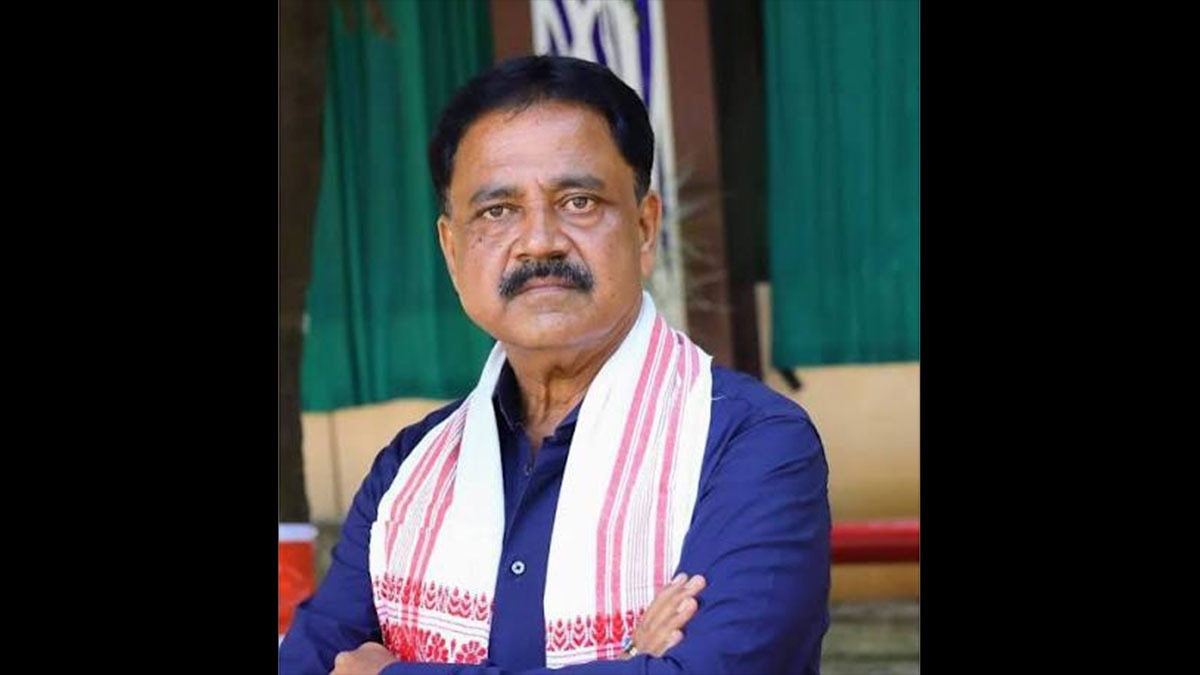
The lesson in the minister's heart-attack death: when chest pain starts past midnight, 'wait and watch' could be fatalJharkhand minister Sudivya Kumar Sonu died in Giridih early on September 6. He was 56. By morning, the state government had declared two days of mourning and chief minister Hemant Soren was speaking of Sonu as not simply a colleague but an elder brother.The political loss is significant. But the human loss is no less: a husband and father gone. The real warning lay in what happened between midnight and four in the morning—first in Sonu’s house and then at a private hospital. It is a story that extends far beyond the fate of a minister.Sonu was a two-term Jharkhand Mukti Morcha (JMM) MLA from Giridih Sadar, first elected in 2019 and then 2024. In Soren's cabinet, he held the higher and technical education; urban development and housing; tourism; art and culture; and sports and youth affairs portfolios.A senior party figure, Sonu had recently been involved in negotiations with the protesting students in Ranchi. Just days before death, he had led a state delegation to Karnataka to study tourism infrastructure. A full day's schedule awaited him on September 6. None of it happened. Around midnight, at his residence, Sonu developed chest pain. His family wanted him to go to hospital. He believed it was gas or acidity, and waited. The pain worsened. At around 2.15 am, he reached Mercy Hospital. On way, he had vomited.Dr Shahzad Sheikh, who treated him, said Sonu had already aspirated when he reached hospital. An ECG showed signs of a heart attack. The medical team intervened immediately as per protocol but the minister collapsed. He was declared dead at about 4 am.A heart attack is a blood-flow-blockage emergency with a clock attached. The more the delay seeking medical help, the greater the risk of irreversible heart damage or death. That is why doctors stress on speed: the sooner blood flow can be restored to the heart, the better the patient’s chance.Yet delay in action is typical in households. Chest pain at night is often dismissed as gas, tiredness, a heavy meal, stress. An antacid is taken with the familiar ‘I will see in the morning’. Precious time is lost negotiating with the pain instead of responding to it.That is the dangerous part. The warning signs are not obscure: pressure, tightness or pain in the chest that persists or comes and goes; pain spreading to the arm, shoulder, neck, jaw or back; sudden sweating; nausea or vomiting; breathlessness; dizziness or unusual weakness. Some heart attacks begin with discomfort that people mistake for indigestion.Aspiration deserves a separate mention. Vomiting can accompany severe cardiac distress, and when an ill person is being hurried into a vehicle or is becoming drowsy, there is risk of vomit entering the lungs. The priority thus should be to get the person to medical care quickly and keep the airway as safe as possible.Sonu was not an anonymous patient stranded hours from a hospital. He had family around him, a private hospital in his town and the authority of office. Yet the first instinct was to wait and see whether the pain was only gas. If that can happen in a minister's house, the ordinary household delay is easy to understand.India's burden of premature heart disease is not only a story of hospitals, stents and emergency rooms. It is also a story of the hour before the emergency room: the midnight bargain in the family, the tendency to wait and watch in the hope that the pain will pass by morning.There is a political vacancy now. Giridih will have another MLA. The Soren cabinet will be reshuffled. The chief minister’s description of Sonu as elder brother will be remembered at condolence meetings and, as these things do, eventually recede.The medical lesson is different. It is the gap between knowing that chest pain can kill, and acting as if it can. A doctor's advice, beside the obituary, put it plainly: if there is chest pain, go to hospital immediately. That sentence is a public-interest story. A politician who had spent his career dealing with other people's crises could not, at midnight, deal with his own.Chest pain after midnight is not a household debate. It is an emergency. What happened in the hours following midnight in Soren’s home are the real explanation. The next time, they may belong to someone who never makes news.Subscribe to India Today Magazine- EndsPublished By: Shyam BalasubramanianPublished On: Sep 10, 2026 19:54 IST
The two hours that cost Jharkhand minister Sudivya Sonu his life
Full Article
Original Source
Read the full article at Indiatoday →KhanList aggregates and links to publicly available news content. We do not host full articles from third-party sources. Always verify important information with original sources.