
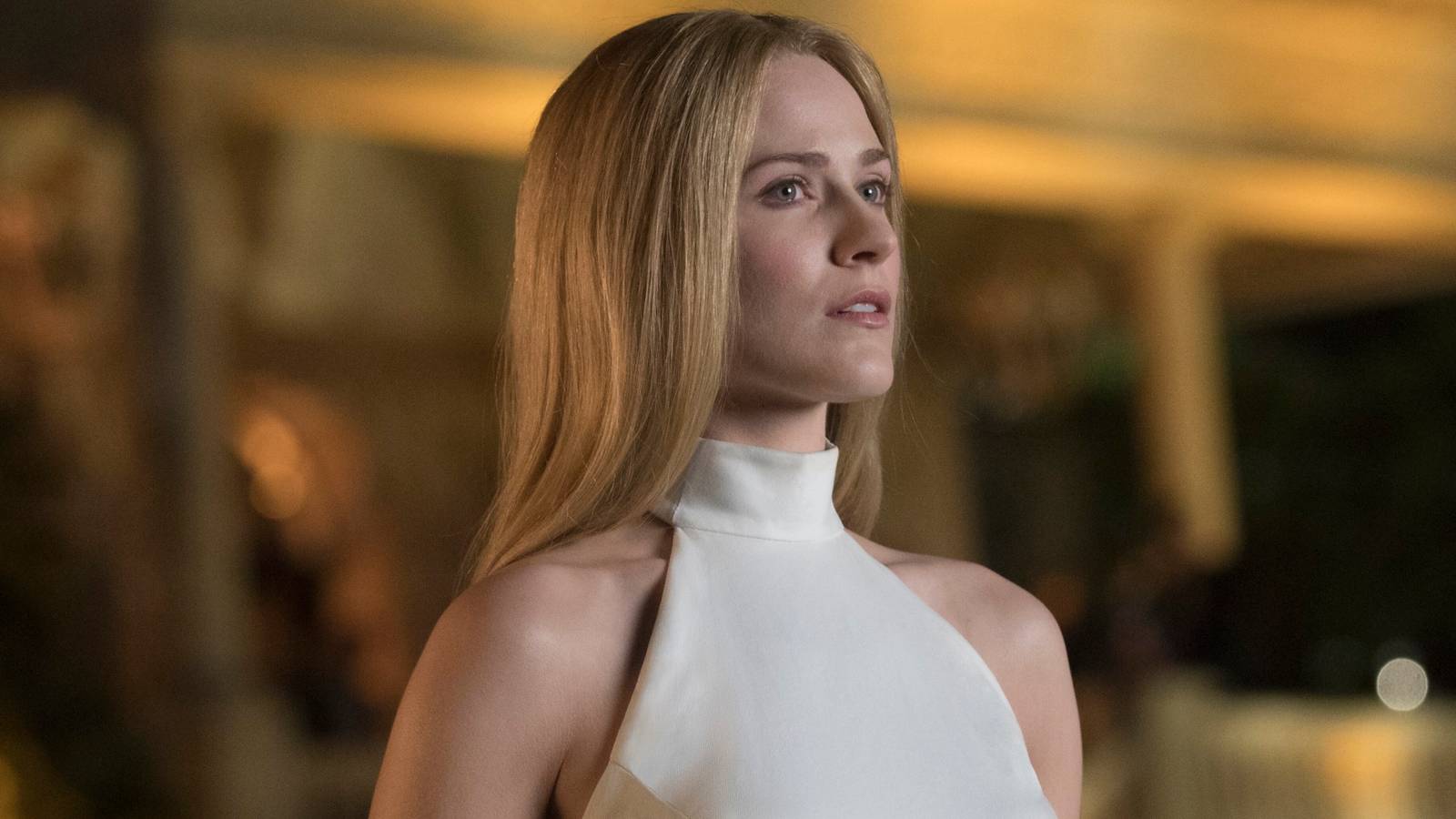
Published Aug 18, 2026, 4:00 PM EDT Cathal Gunning has been writing about movies, television, culture, and politics online and in print since 2017. He worked as a Senior Editor in Adbusters Media Foundation from 2018-2019 and wrote for WhatCulture in early 2020. He has been a Senior Features Writer for ScreenRant since 2020. Although crossing The Twilight Zone with Lost might sound risky, one HBO show almost managed to pull off this ambitious endeavor. After the success of HBO’s Game of Thrones season 1, almost anything was briefly possible on television and streaming. As every traditional network, cable network, and streaming service alike scrambled to recreate the appeal of HBO’s mega-hit, previously conservative executives began green-lighting ambitious, bizarre shows that were more complex and dense than anything mainstream TV had attempted before. It was a halcyon era, one that also benefited from the mainstream success of Lost’s best seasons a little over a decade earlier. Lost had proven that complicated, time-twisting storytelling and challenging sci-fi concepts weren’t enough to put off a mainstream audience, while Game of Thrones proved that a punishingly bleak tone, gruesome gore, and a massive, sprawling cast were also trials that viewers were willing to overcome. As such, viewers got shows like Netflix’s time-travel masterpiece Dark, one of the most complex, tragic, and rewarding sci-fi shows ever made. Meanwhile, future Fallout co-creator Jonathan Nolan set to work on an HBO show that took a premise worthy of the classic anthology series The Twilight Zone and injected it with the sort of complex storytelling that could only have come in the wake of Lost’s success. The result was Westworld, a sprawling sci-fi reboot with a lot on its mind. Westworld Mixed The Twilight Zone’s Twists With Lost’s Complex Sci-fi Lore via MovieStillsDB Released in 1973, the original movie Westworld was a relatively straightforward dystopian sci-fi disaster story wherein a futuristic amusement park full of robotic cowboys goes bad when the robots begin attacking the patrons. Parodied by The Simpsons years later, Westworld was a fun but thin cautionary tale that followed many of the same story beats as creator Michael Crichton’s later, more famous “Theme park gone wrong” blockbuster, Jurassic Park. In contrast, 2016’s Westworld was something much more complex. Set across two timelines, the show focused on the same futuristic eponymous Wild West theme park populated by sentient, lifelike robotic “Hosts,” and a later future within the show’s future, where an AI controls much of the world’s population. As if this wasn’t confusing enough, Westworld had a big trick up its sleeve. Since the show’s two timelines took place decades apart, Westworld delighted in revealing that an unassuming character from the present storyline would grow up to be an unexpected character from the later timeline. This twist was almost as effective as the infamous Twilight Zone reveal that inspired The Good Place, but the series did not stop there. Westworld’s 4-Season Run Has One Unfortunate Element In Common With Lost Everett Collection One of the main points of Westworld’s story was that, with their human emotions, complex cognitive abilities, and nuanced characterization, the frequently mistreated “Hosts” were seemingly just as, if not more, human as their human handlers. As such, viewers shouldn’t have been shocked when characters who were thought to be flesh-and-blood humans often turned out to be Hosts all along. This was a killer twist the first few times. However, the combination of the show’s two timelines and this twist borrowed from the Battlestar Galactica franchise, where anyone could turn out to be a Cylon, ultimately proved too much. By season 4, the wheels had fallen off the show’s overarching story. Like Lost, Westworld was incredibly popular with critics in its first two seasons, as the show set up its complex, time-twisting story, Like Lost, the reboot promised a string of increasingly dramatic revelations. However, like the weaker episodes of The Twilight Zone and the divisive final seasons of Lost, Westworld also ultimately got a little too smart for its own good, with the show’s finale failing to tie up its many loose ends and fill its outstanding plot holes. Release Date 2016 - 2022-00-00 Network HBO Showrunner Jonathan Nolan, Lisa Joy Directors Fred Toye, Jennifer Getzinger, Stephen Williams, Vincenzo Natali, Craig William Macneill, Anna Foerster, Craig Zobel, Hanelle M. Culpepper, Helen Shaver, Jonny Campbell, Michelle MacLaren, Neil Marshall, Nicole Kassell, Tarik Saleh, Uta Briesewitz, Lisa Joy, Meera Menon Writers Roberto Patino, Carly Wray, Ron Fitzgerald, Daniel T. Thomsen, Karrie Crouse, Wes Humphrey
The Twilight Zone Meets Lost In HBO's 4-Part Sci-Fi Series
Full Article
Original Source
Read the full article at Screenrant →KhanList aggregates and links to publicly available news content. We do not host full articles from third-party sources. Always verify important information with original sources.