
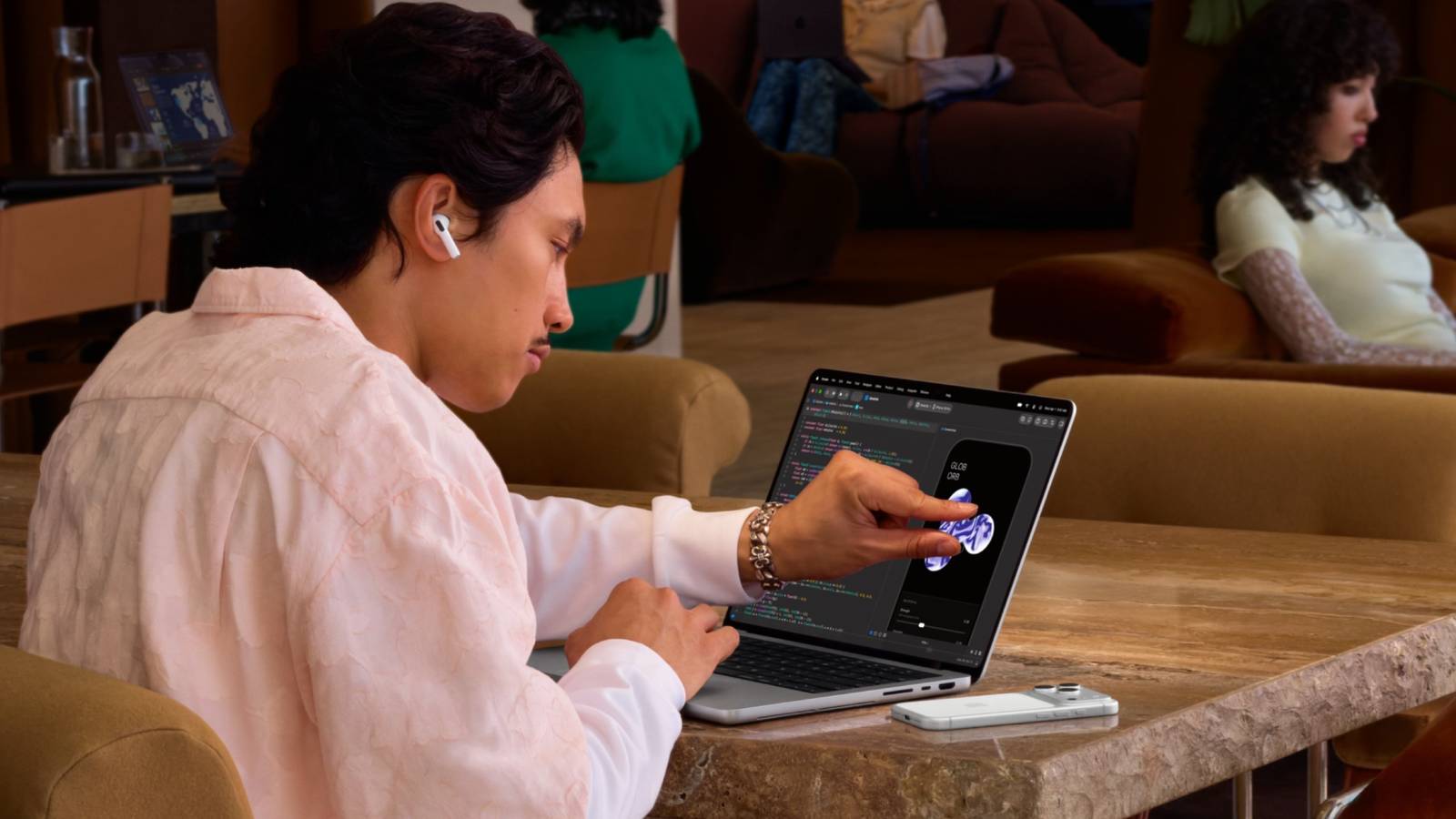
Published Oct 28, 2026, 1:44 PM EDT Viraj Gawde is a Tech Journalist with bylines at Travel+Leisure India & South Asia, Android Headlines, 91Mobiles, Croma Unboxed, etc. He has written thousands of news pieces, how-to guides, product comparisons, listicles, and op-eds on consumer tech. Currently, Viraj is obsessed with the fast-evolving world of artificial intelligence and how it is reshaping the way we work, create, and use tech. As a curious generalist, Viraj's work extends into a wide range of subjects, formats, and storytelling styles. When away from desk, he is a finance, sports, and travel geek with a constant curiosity for new experiences. Sign in to your How-To Geek account Apple is bringing two new technologies for the first time ever in Mac’s history. The brand has unveiled the MacBook Pro with an OLED panel and touchscreen support. These have been around on Windows machines for years, and while Apple is late to the party, it introduces interface changes optimized for touch input and designed to deliver a more immersive viewing experience. That potentially blurs the line between MacBook and iPad experiences. MacBook Pro changes how users interact with macOS Two historic firsts in the Mac lineup The latest-generation MacBook Pro has a tandem OLED display, replacing the Liquid Retina XDR, which is essentially a mini-LED panel. This shift brings it closer to the iPad Pro, which already uses an OLED screen. The display delivers deeper blacks, rich contrast, and improved image quality that appeals to creative professionals. It gets a 120Hz refresh rate and 2,000 nits of peak HDR brightness. Another big upgrade is the addition of touchscreen support. Apple previously experimented with touch-sensitive controls on the MacBook Pro through the Touch Bar—a narrow OLED strip on the keyboard that replaced traditional function keys. The touch input support allows users to interact with the display. Users can scroll through webpages, drag and drop content, pinch to zoom photos, and arrange windows using touch gestures. The Cupertino-based tech giant has redesigned the hinge to keep the display steady instead of wobbling when it is touched. An illuminated logo, once a signature feature on Apple's laptops, is also making a comeback. The much-loved design element adds a touch of nostalgia to the redesigned MacBook Pro. The MacBook Pro also introduces Apple's Dynamic Island to the Mac for the first time. It replaces the existing display notch with a smaller camera cutout, bringing the same dynamic interface experience as the iPhone. It brings Spotlight, Live Activities, and Siri AI. The screen is also surrounded by thinner bezels compared to the existing Pro lineup. Inside, the MacBook Pro is equipped with M5 Pro and M5 Max chipsets. RAM and storage configurations start at 24GB and 256GB respectively, with the top-tier variant maxing out at 128GB and 16TB. The configurations target demanding tasks and running large AI models locally. Connectivity details are the same as yesterday's newly announced iMac M6—Wi-Fi 7, Bluetooth 6 onboard. There's also a 12MP Center Stage camera and a six-speaker audio system that's present on existing MacBook Pro models. Battery life on the MacBook Pro with OLED display is rated at 24 hours. The MacBook Pro ships with macOS 27 and Apple is refining the software experience optimized for the touch display. How much does the touchscreen MacBook Pro cost? A premium over the existing Pro range The MacBook Pro 14-inch with M5 Pro costs $2,899 whereas the 16-inch model starts at $3,399. The same display sizes with M5 Max chipset carry a starting price tag of $4,499 and $4,799. Pre-orders begin today with sales commencing November 6. MacBook Pro CPU M5 Display type OLED Battery 24 hours The MacBook Pro now comes in an ProXDR OLED display with touch support. Plus, this machine reintroduces a fan-favorite feature that was dropped in 2015—the glowing Apple logo. Source: Apple
The touchscreen MacBook Pro is here, and it brings back a fan-favorite logo
Full Article
Original Source
Read the full article at Howtogeek →KhanList aggregates and links to publicly available news content. We do not host full articles from third-party sources. Always verify important information with original sources.