
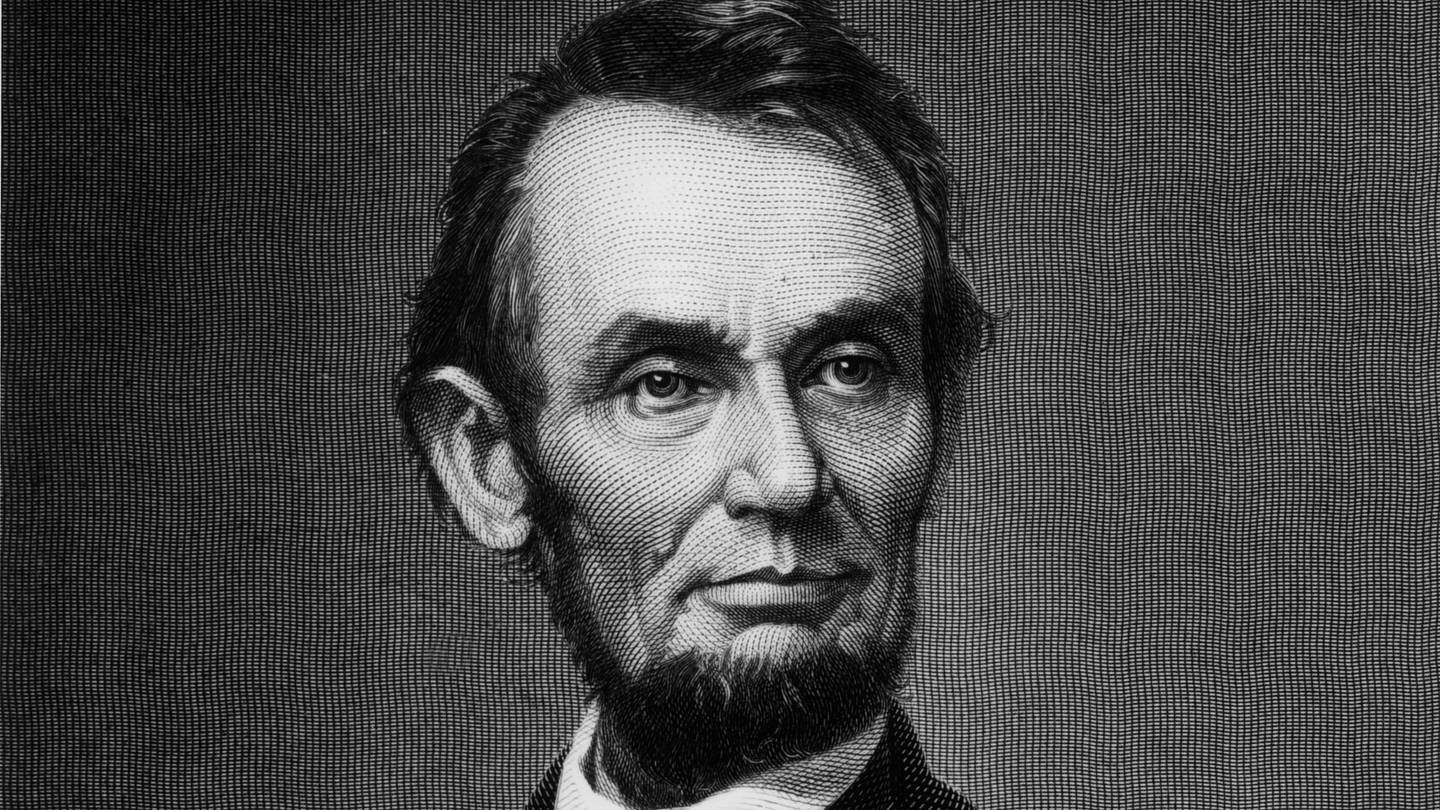
In the spring of 1860, the Democratic Party went to its national convention and came out of it as two parties. The presidential election that followed had four serious candidates, two of them Democrats, and it was really two separate races, one in the North and one in the South. Abraham Lincoln won it with 39.8 percent of the popular vote.How One Party Became TwoUnited States. Supporters of Stephen Douglas, candidate of the Democratic Party. | PHAS/GettyImagesThe Democrats met in Charleston, South Carolina, on April 23, 1860, and the fight was over slavery in the western territories. Southern delegates wanted the platform to endorse a federal slave code; Stephen Douglas, the Illinois senator who had beaten Lincoln for a Senate seat two years earlier, knew that would cost him every Northern state. When the plank failed, about 50 Southern delegates, led by Alabama’s William L. Yancey, walked out. Nobody could reach the two-thirds majority the party required, and after 57 ballots the convention gave up and agreed to try again in Baltimore. Mental Floss has written about that floor fight before.Baltimore went worse. In June, after another brawl over which delegates to seat, the convention nominated Douglas, and the bolters held a convention of their own and nominated the sitting vice president, John C. Breckinridge of Kentucky, on a pro-slavery platform. So the party ran two tickets.The Fourth ManHon. John Bell: of Tennessee | Sepia Times/GettyImagesThe fourth candidate came from a brand-new party. On May 9, a group of mostly former Whigs met in Baltimore, formed the Constitutional Union Party, and nominated John Bell of Tennessee, a former House speaker and war secretary, with Harvard’s onetime president Edward Everett as his running mate. They declined to write a real platform, saying they recognized no political principle other than the Constitution and the Union. Bell’s supporters rang bells at their rallies.The campaign itself was lopsided: Lincoln stayed home in Springfield, as nominees traditionally did, Breckinridge gave one speech, and Bell said nothing. Douglas broke with tradition and stumped across the country, Deep South included, and spent much of that time answering questions about what would happen if Lincoln won.Two Elections in OneEd Vebell/GettyImagesIn practice, the country held two contests: Lincoln wasn’t even on the ballot in 10 Southern states, where the race was Breckinridge against Bell, while in the North it was Lincoln against Douglas. Anti-Lincoln forces tried to fuse their electoral tickets in New York, Pennsylvania, Rhode Island, and New Jersey, and it only worked in New Jersey, where Lincoln still took four of the seven electors.The final numbers were all over the place. Lincoln got 1,867,198 votes and 180 electoral votes, well past the 152 he needed. Douglas finished second in the popular vote, with 29.4 percent, and dead last in the Electoral College, with 12 electoral votes: all of Missouri plus New Jersey’s other three. Breckinridge won 11 slave states and 72 electoral votes, and Bell took Virginia, Kentucky, and Tennessee for 39.The split didn’t even decide it: Lincoln won outright majorities in 15 states worth 169 electoral votes, so even if every Douglas, Breckinridge, and Bell voter had backed a single candidate, that candidate would have had about 60 percent of the popular vote and still lost the Electoral College, 169 to 134. Lincoln’s votes were concentrated in the populous North, and that was enough. South Carolina seceded on December 20, before he’d even taken office.Read More:
The Strange Four-Way Election That Put Abraham Lincoln in the White House
Full Article
Original Source
Read the full article at Mentalfloss →KhanList aggregates and links to publicly available news content. We do not host full articles from third-party sources. Always verify important information with original sources.