
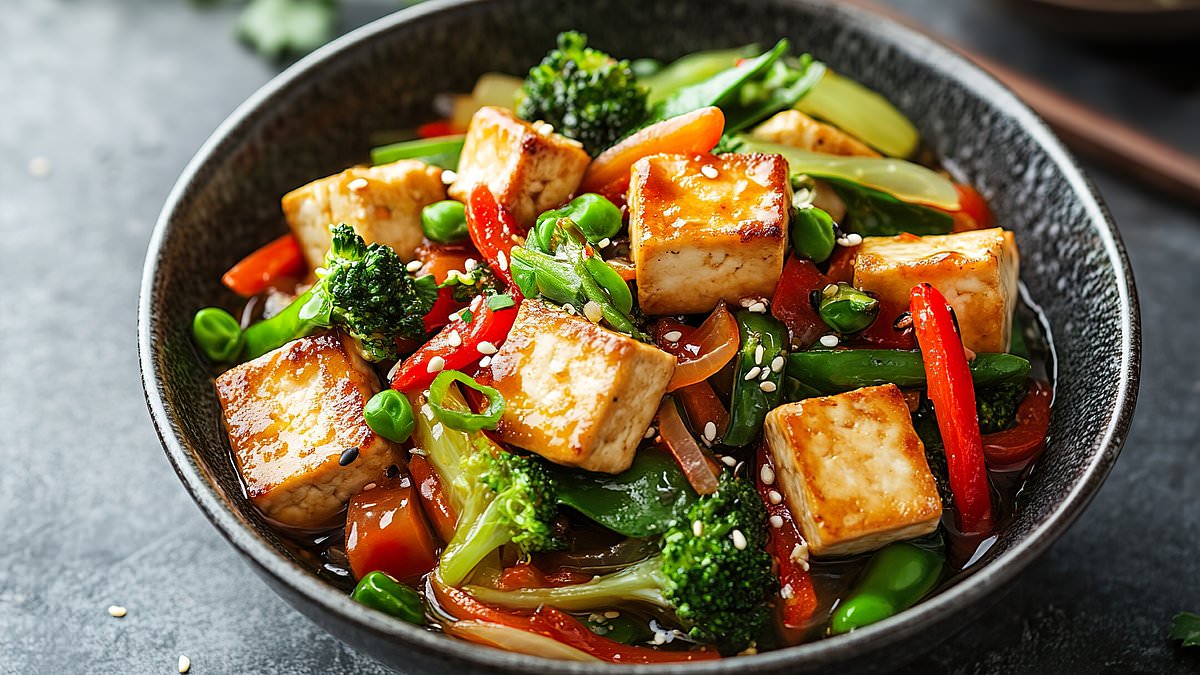
When most people think about keeping their bones strong, milk comes to mind first. And while milk has earned its health halo, some lesser-known fruits, vegetables, seeds and dairy go to work for your bones.Bones are constantly being broken down and rebuilt, but as we age, the body can begin losing bone faster than it replaces it. This is especially true for women, as this process accelerates during menopause due to drops in estrogen. 'Our bones reach their peak bone density around the age 30, and after that they slowly start to thin,' Dr Pamela Peeke, chief medical officer at Osteoboost, told the Daily Mail.Nearly 13 percent of Americans over 50 have osteoporosis, while another 43 percent have low bone mass, increasing their risk of fractures and debilitating pain. While calcium and vitamin D are essential, they're only part of the picture, and they're in far more than milk. Protein, magnesium and other nutrients also play important roles in keeping bones healthy.'If calcium is Batman, vitamin D is Robin, but no hero saves the day alone,' registered dietitian Bonnie Taub-Dix told the Daily Mail.Here are six foods that may help support stronger bones as you age. Bone density naturally decreases with age, especially after menopause. There are foods, however, that may keep bones strong The power of prunes Prunes are usually associated with digestion, but research suggests they may also help protect aging bones.A 2022 randomized trial involving 235 postmenopausal women found that eating approximately five or six prunes daily helped preserve hip bone density over 12 months. Bone density declined by just 0.3 percent in the prune group, compared with 1.1 percent in women who didn't eat prunes.'Prunes have been typecast as a digestive aid for far too long. If I could redesign the package, digestion and bone health would be co-stars,' Taub-Dix said. Prunes also provide potassium, vitamin K, boron and plant compounds called polyphenols, all of which may influence bone metabolism.Try adding five or six prunes to oatmeal, pairing them with walnuts or enjoying them as a snack. Increase intake gradually to avoid digestive discomfort.Eat sardines, but keep the bonesThese inexpensive canned fish contain a surprising source of calcium: their soft, edible bones.A 3oz serving of sardines with bones provides approximately 325mg, roughly one-quarter of the recommended daily intake for women over 50. A glass of cow's milk, for reference, contains about 300mg. They also provide protein, vitamin D and omega-3 fatty acids.'Sardines come with their own calcium supplement built in, and so does canned salmon when you keep the bones,' Taub-Dix said. She recommends choosing bone-in varieties and mashing the soft bones into the fish rather than removing them. Boneless versions provide substantially less calcium, only about six percent of the recommended daily intake.Try combining sardines with lemon, mustard and olive oil, then spreading them on whole-grain toast.Tofu with an added calcium boost Not all tofu is created equal. Experts told the Daily Mail to keep an eye out for tofu with calcium sulfateTofu may not be the first food that comes to mind for stronger bones, but some varieties contain good amounts of calcium. Firm tofu prepared with calcium sulfate can provide about 250mg per half-cup serving, although amounts vary by product.Soy also contains isoflavones, plant compounds with mild estrogen-like activity that have attracted attention for their potential effects on bone health after menopause. A review of 10 meta-analyses found that soy isoflavones may improve bone mineral density in perimenopausal and postmenopausal women.However, Peeke cautioned that findings are inconsistent, with some studies showing modest improvements and others finding no meaningful benefit for bone health, osteoporosis or fractures. 'It's a "maybe," not a sure thing,' she said. Beyond the potential benefits of soy isoflavones, calcium-set tofu provides a combination of plant protein and calcium, notes Dr Adam Kreitenberg, a board-certified rheumatologist.'With tofu, my rule is read it before you eat it,' Taub-Dix said. She recommends checking the ingredient list for calcium sulfate and comparing calcium amounts on Nutrition Facts labels before adding tofu to stir-fries, soups or vegetable scrambles.Leafy greens could be vitamin K's superstar Leafy greens aren't just a source of fiber and vitamins. Some also contain significant amounts of calcium. One cup of cooked collard greens provides approximately 266mg of calcium. Collards are also rich in vitamin K, which supports proteins involved in bone mineralization.But not all leafy greens are equally useful as calcium sources. 'Spinach is the overachiever that doesn't share: its oxalates bind much of its calcium, so you absorb very little,' Taub-Dix said. She recommends kale, bok choy and collard greens instead because their calcium is generally more readily absorbed.Try sautéing collard greens with garlic and olive oil or adding them to soups. However, people taking warfarin should keep their vitamin K intake consistent and consult their healthcare provider before making major dietary changes, as the vitamin helps blood clot. Vitamin-rich pumpkin seeds Try pumpkin seeds in yogurt, oatmeal, soups or salads for a quick boostPumpkin seeds may be small, but they're rich in minerals involved in bone health. They provide magnesium, which contributes to bone structure and vitamin D metabolism, along with zinc, a mineral involved in normal bone formation and repair.Taub-Dix noted that pumpkin seeds also provide plant protein, making them a convenient way to incorporate several bone-supporting nutrients into your diet. Although these nutrients are essential, research hasn't established that eating pumpkin seeds directly reduces osteoporosis or fracture risk, though their nutrients may lay the foundation for healthier bones.Sprinkle them over yogurt, oatmeal, soups or salads for an easy nutritional boost.Protein-packed yogurt and kefir Milk is the golden child of bone-healthy foods, but fermented dairy, such as yogurt or kefir, also deserves a top spot, experts sayFermented dairy foods offer more than probiotics.Yogurt and kefir are rich in calcium and protein, two nutrients important for maintaining bone strength and muscle mass as we age.A 2021 randomized trial involving more than 7,000 older adults in residential care facilities found that increasing milk, yogurt and cheese intake was associated with a 33 percent lower relative risk of all fractures and a 46 percent lower relative risk of hip fractures over two years.However, the intervention included several dairy foods among older adults whose calcium and protein intakes were relatively low. It doesn't prove that yogurt or kefir alone prevents fractures.Choose plain yogurt or kefir and pair it with berries, nuts or pumpkin seeds for a nutrient-rich breakfast or snack.Can food really prevent osteoporosis?While these foods provide valuable nutrients, no single food has been proven to prevent osteoporosis or fractures.'Bone density is really just a clue. What people actually care about is not breaking a hip or a wrist, and that depends just as much on how sturdy the bone is and whether you fall,' Peeke said.For people already diagnosed with osteoporosis, nutrition alone generally isn't enough to reverse bone loss or adequately reduce fracture risk, explained Kreitenberg. Weight-bearing exercise, resistance training and balance exercises are also important, and some patients may need prescription medications.Peeke also recommended discussing bone-density screening and potential contributors to bone loss, such as thyroid disorders or vitamin D deficiency, with a healthcare provider.Still, incorporating bone-supporting foods into everyday meals is a practical place to start. 'When one meal holds two or three of these foods, you're building bone without making extra effort,' Taub-Dix said.
The six foods that could prevent breaks and ward off osteoporosis
Full Article
Original Source
Read the full article at Dailymail →KhanList aggregates and links to publicly available news content. We do not host full articles from third-party sources. Always verify important information with original sources.