
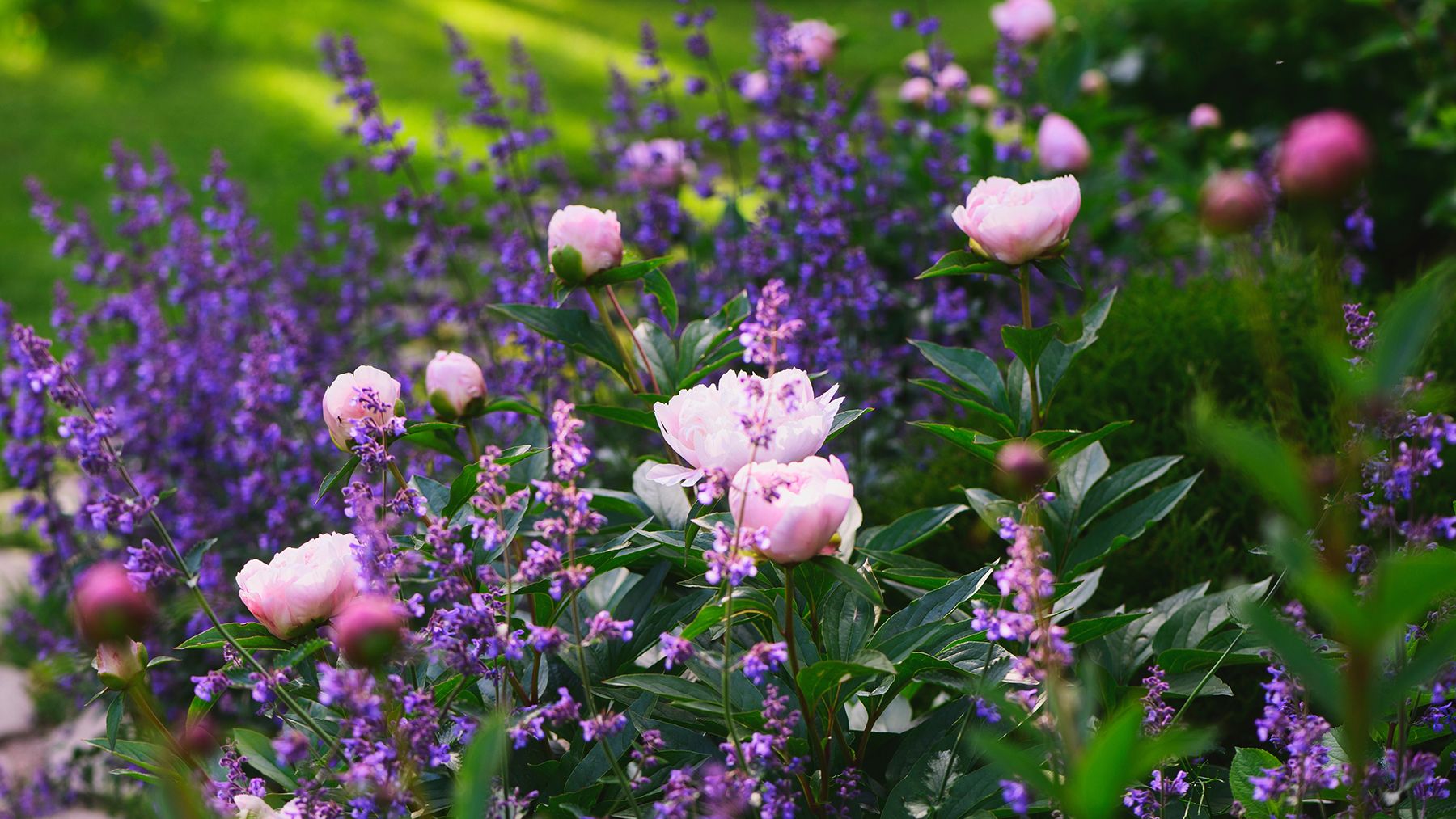
Why it's a good idea to divide perennials?Improves health and vigor: Gives roots space to absorb more nutrients and waterControls size: Keeps overgrown plants manageableYields free plants: Multiplies your garden stock for freeGrab your gardening gloves and make the most of September, as according to one plant expert, this is the best month to plant without spending a dime.Gardening can be an expensive hobby if you rely on nursery plants to build your beds. But if you’re clever and don't mind a little work, you can make the most of what you’ve already got.Here, Noah Mabey, senior gardener at Thornbridge Hall and horticultural advisor to Platinum Hot Tubs, explains how you can expand your planting for free.September is the perfect time to divide and multiply (Image credit: Shutterstock)With the soil still warm from summer and temperatures beginning to cool, September is an ideal time to divide many established perennials — those plants that come up year after year.“Dividing perennials is one of my favorite gardening jobs because you’re essentially getting free plants while also improving the health of the original one,” says Mabey. “This gives newly divided plants an opportunity to establish their roots before winter arrives, helping them get off to a strong start the following spring.”The process can also help you tidy up your garden while encouraging healthy growth. He explains, “Over time, established clumps can become overcrowded, which can affect their vigor and flowering. Dividing them gives each section more room to grow, and the added bonus is that you can fill gaps elsewhere in the garden or give the extra plants away.”Which perennials can you divide in September? (Image credit: Shutterstock)The best candidates to divide in September are spring- and summer-blooming perennials. Peonies, hostas, daylilies, and bearded irises are all worth dividing, as well as coneflowers and black-eyed Susans, Shasta daisies and yarrow.Get instant access to breaking news, the hottest reviews, great deals and helpful tips.However, not all perennials should be divided, as some have deep taproots, single woody bases or fragile root systems that cannot withstand the stress.For instance, false indigo and globe thistle are two taprooted plants that shouldn’t be divided, while lavender and Russian sage have woody stems that may fail to recover, and lupines and foxgloves are considered too delicate.How to divide garden plants (Image credit: Shutterstock)Dividing your perennials will allow you to rejuvenate overcrowded plants while creating new ones for free — all within your own backyard.Here are the five steps Mabey recommends.1. Dig up the entire clumpCarefully lift the established plant from the ground, using a spade or fork, taking care to retain as much of the root system as possible. You can then remove any loose dirt around the roots.Top tipTo keep your plants in optimal health, avoid dividing them on a sunny day when they are likely to dry out between being transplanted. A few days of showers ahead will also help keep them moist while they settle in.2. Split the plant into sections (Image credit: Shutterstock)For tough or larger clumps, Mabey suggests using a sharp garden spade to slice through the plant. Alternatively, he suggests placing two garden forks back-to-back in the center of the clump and gently prying the sections apart.3. Take a gentler approach with delicate plants (Image credit: Future / Camilla Sharman)Some perennials need a gentler approach. Instead of using a garden spade or fork, Mabey says he often uses a pruning saw or bread knife to divide plants such as hostas.Rather than getting your bread knife covered in soil, I’d suggest trying a hori hori knife, like the Nisaku’s Original Hori Hori Knife, $22 at Amazon.4. Replant each sectionOnce you’ve divided your plant, keep each section shaded and moist until they are replanted. You can then place them in prepared soil, with enough surrounding space to grow and establish.Top tipMake sure you complete this step at least 4 to 6 weeks before the first frost — particularly important in colder northern USDA growing zones — as it will allow the roots to establish in good time.5. Water thoroughlyGive newly divided plants a generous watering to help the roots settle into their new position. Keep them moist rather than soggy, while the developing roots establish in the soil.The amount of supplementary water needed will depend on rainfall, temperature, wind and soil conditions, with the Center for Agriculture, Food and the Environment at the University of Massachusetts Amherst advising to maintain weekly watering until the ground freezes.Don't forget about the seeds (Image credit: Shutterstock)Dividing perennials isn’t the only way gardeners can expand their collection for free. Mabey says, “September is also a great time to start saving seeds from flowers that are beginning to fade. Instead of deadheading every spent bloom, leave a few healthy flowers to develop seed heads.”And he adds that saving your own seeds is incredibly rewarding and means you can continue growing plants you already know perform well in your garden.“Gardening doesn’t always have to be expensive. Sometimes the best way to get more plants is simply to make the most of the ones already growing in your garden,” he adds. Follow Tom's Guide on Google News and add us as a preferred source to get our up-to-date news, analysis, and reviews in your feeds. More from Tom's Guide5 plants to put in your yard in September for vibrant fall colors7 vegetable seeds to sow in September for bountiful fall harvestsThe 7 best plants for neat yet low-maintenance hedges Camilla is the Homes Staff Writer and covers everything to do with homes and gardens. She has a wealth of editorial experience, mounting over 30 years, and covers news and features, tests products for reviews and compiles buying guides. Her work has appeared in business and consumer titles, including Ideal Home, Real Homes, House Beautiful, Homebuilding & Renovation, and Kitchen & Bathroom Business. She’s even appeared on the cover of Your Home, writing about her own house renovation. Although she’s obsessed with decorating her home, she also enjoys baking and trying out the latest kitchen appliances. But when she’s not inside, you’ll find her pottering about in her yard, tending to her vegetable patch or taking in her prized hydrangeas.
The September gardening hack that gets you free plants for life
Full Article
Original Source
Read the full article at Tomsguide →KhanList aggregates and links to publicly available news content. We do not host full articles from third-party sources. Always verify important information with original sources.