
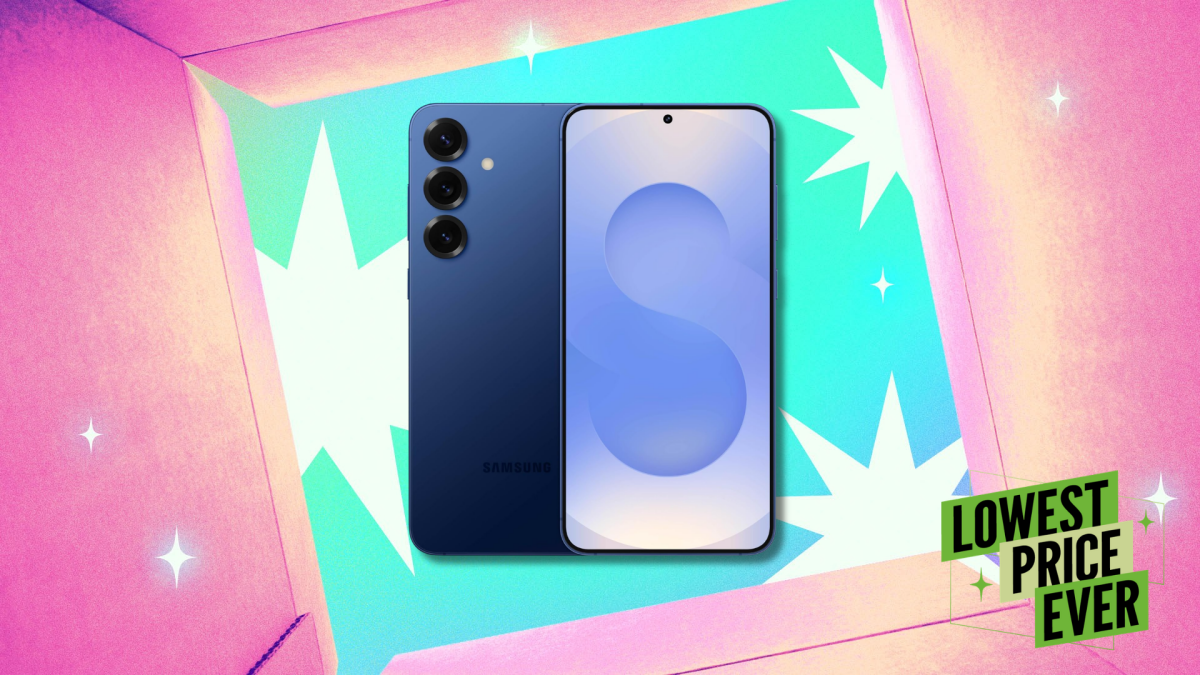
Daniel Oropeza Daniel Oropeza Shopping Editor ExperienceDaniel is Lifehacker's Shopping Editor covering tech deals and reviewing TVs, headphones, speakers, and projectors. He earned his master’s in journalism from Columbia University and has reported for the Miami Herald. He lives in Atlanta. Read Full Bio September 1, 2026 Add as a preferred source on Google Add as a preferred source on Google We may earn a commission from links on this page. Deal pricing and availability subject to change after time of publication. Credit: Rene Ramos Table of Contents Samsung announced the Galaxy S25 Series back in January 2025, a three-phone collection that competed with Google's Pixels for the title of the best Android phones you could buy in 2025. Out of the lineup, the Galaxy S25+ is the middle-of-the-pack model, and a cheaper alternative to the then-top-of-the-line Galaxy S25 Ultra. With the current early Labor Day sale from Amazon, the S25 dropped in price. Currently, you can pick one up for $679.99 ($320 off the original $999.99 retail price), and still get one of the best Android phones you can buy in 2026. The S25 line offers upgrades from the S24 lineup: The best features in the OS are shared by all Galaxy phones, giving you features you can only get from One UI 7, including exclusive media and notifications features. Two of the best are Now Bar and Now Brief, which show you brief alerts or notifications personalized to your feed and activities. PCMag gave the Galaxy S25 an "excellent" review for its useful AI features, better battery life than the Ultra (around 15 hours on a single charge), outstanding cameras, and long software support. The main things you'll be missing compared to the newer S26 are some AI features and some minimal design. Arguably, the best competition for the Galaxy S25+ is the Google Pixel 9, which is currently $699. If you're already in the Google or Samsung ecosystem, the best option is probably to stay loyal to your brand, unless you plan on swapping out every other accessory. The Galaxy S25+ runs on the Qualcomm Snapdragon 8 Elite for Galaxy, has three rear lenses, including a 12MP ultra-wide camera, and a 6.7-inch and 120Hz OLED display. The RAM is a generous 12GB, with the storage options starting at 128 GB, but this $679.99 option is for the 256GB.When will Labor Day sales start?Early Labor Day sales have already started. More retailers are likely to start their own sales leading up to the holiday on Monday, Sept. 7. What do you think so far? Are Labor Day sales worth it?Labor Day has traditionally been a good time to find deals in many categories, but whether they're worth it or not depends entirely on what you're looking for. Compared to sales like Black Friday or Prime Day, Labor Day falls short on volume and quality of discounts, but you might still find a good price on tech or kitchen appliances that will match those holiday prices—or even beat them. (We use price tracking tools to let you know if a deal is worth it or not.)What other stores have Labor Day sales?So far, Home Depot, Amazon, and Wayfair have started their early Labor Day sales. Target, Walmart, and Best Buy are likely to follow. (Lifehacker will be rounding up deals for all of these sales.) Our Best Editor-Vetted Tech Deals Right Now Deals are selected by our commerce team Lifehacker has been a go-to source of tech help and life advice since 2005. Our mission is to offer reliable tech help and credible, practical, science-based life advice to help you live better. Our Mission Our Team Newsletter © 2001-2026 Ziff Davis, LLC., A ZIFF DAVIS COMPANY. ALL RIGHTS RESERVED. Lifehacker is a federally registered trademark of Ziff Davis and may not be used by third parties without explicit permission. The display of third-party trademarks and trade names on this site does not necessarily indicate any affiliation or the endorsement of Lifehacker. If you click an affiliate link and buy a product or service, we may be paid a fee by that merchant.
The Samsung Galaxy S25+ Is $320 Off During Amazon's Early Labor Day Sale
Full Article
Original Source
Read the full article at Lifehacker →KhanList aggregates and links to publicly available news content. We do not host full articles from third-party sources. Always verify important information with original sources.