
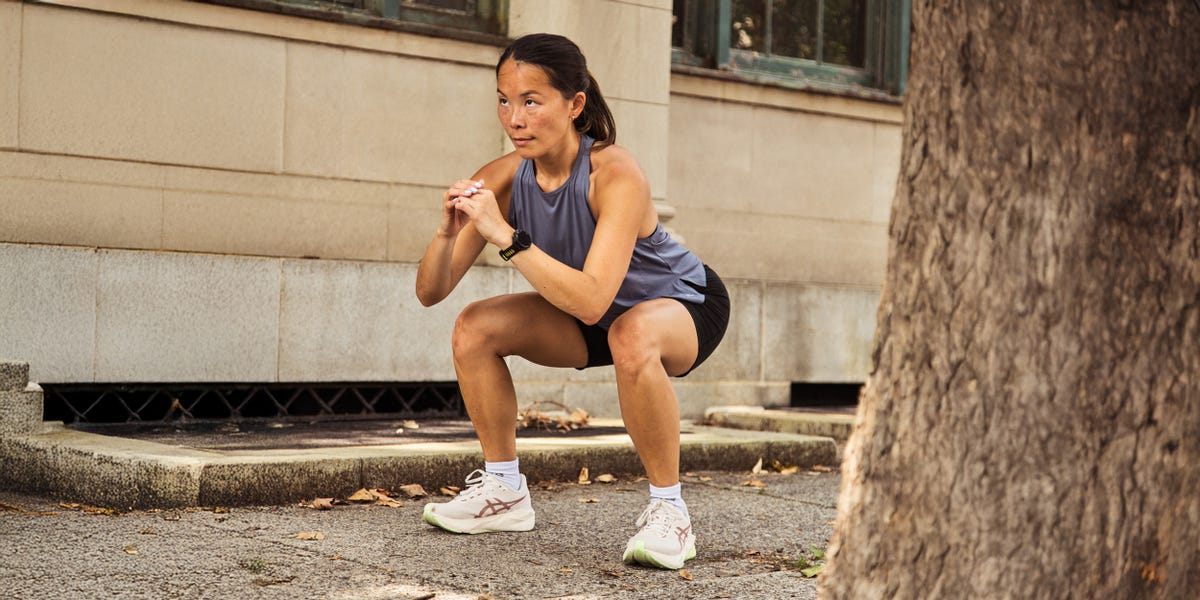
Tell anyone that you are a runner, and they will often respond with, “doesn’t that hurt your knees?” and, like many runners, you may sometimes answer, “yes.”Your knee may hurt, but, as our experts explain in The Runner’s World Guide to Common Running Injuries: Runner’s Knee, running is probably not the cause, and may even be part of the solution, to knee pain. This doesn’t mean you should immediately go out for a run if your knee hurts. All it means is that knee pain is common, both in runners and non-runners, and exercising properly can typically help reduce pain, both in the short and long term.The big question, of course, is: “What is exercising properly?” That’s what our experts—Winnie Yu, PT, DPT, CSCS, and John Vasudevan, MD—explain in this chapter. Their advice and hands-on instruction will help you feel more secure about staying on the road even if you are currently bothered by knee pain.What You’ll LearnIn The Runner’s World Guide to Common Running Injuries: Runner’s Knee, we’ll teach you:Why runner’s knee is so common and how its specific pain differs from other injuries around the knee How strength training and other exercises, such as mobility work and stretching are more effective than not running The common causes of knee pain and the mistakes runners make when trying to work around the injuryWhen it’s time to see a doctor about your symptoms Watch VideoGo DeeperUnderstand the InjuryOfficially called patellofemoral pain syndrome, runner’s knee is pain that people feel in the sides of their knee or right under their kneecaps due to excessive friction in the joint. Typically, someone feels the pain only in one knee, and that is because running is a unilateral (one-sided) sport. “Anyone who is a runner will get runner’s knee at some point,” John Vasudevan, MD, ETC, says. “Its’ that common and that's why it’s named that way.” There are 30 different reasons this can happen, but the end result is that you end up with pain under your kneecap. Perhaps the greatest culprit in this situation is getting insufficient strength to your gluteal muscles.”Underlying Causes of Runner’s KneeUsually it’s not running itself that causes the pain, but uneven mechanics or poor running form Weak glute muscles, which causes the knee to absorb more force when you run. Tightness or weakness of other leg muscles Increasing your pace or miles too quickly without strength training or doing other exercises that support the muscles connected to the knee. How Serious Is It?How your pain behaves during and after a run can help you determine what to do next.🟢 Green FlagMild soreness without acute or sharp painMay improve with modified training and early strengthening🟡 Yellow FlagPersistent pain during or after runningSwelling or noticeable weaknessNoises such as clicks and popsInstability when trying to run🔴 Red FlagSudden sharp pain that immediately stops your runInability to continue running or walking comfortablySeek medical evaluation promptlyRecover and Return to RunningThere are many exercises to strengthen the glutes and muscles of the leg to stave off—and fix—knee pain.Like most injuries, the seriousness of runner’s knee exists on a continuum and, in its early stages, you can do strength exercises and mobility work to better support your knee joint, although you may have to turn your runs into walks for a few weeks.Lateral Band TapsSquatsDeadliftContinue to do any exercises that have helped you recover even after the pain has subsided. If weak glutes, for example, have contributed to your knee pain, then regularly performing glute exercises will help insure that the knee injury won’t return.Check out the Runner’s World Guide to Running Form to learn more about how to improve your posture and mechanics.❌ Common recovery mistakes:Sitting or standing too long; make sure to take lots of walk or exercise breaks in your day to keep your knee from getting stiff. Assuming that tape or a brace will fix the underlying problem; these may relieve pain, but you need to fix your mechanics or reduce your miles or pace to better protect your knee. Not continuing the exercises that helped reduce the pain. Your knees will always need to rely on strong glutes and legs to remain pain free. Stay Healthy and Run StrongerA running program and training plan should always include strength, stretching, and mobility work to protect your joints. These are also important if runner’s knee is a common (or new) occurrence during training.Training habits to reduce recurrence of runner’s knee: Include a warmup in your run routine to increase blood flow to your muscles. This will help them do the work when you run, thus putting less impact on your knees. Take movement breaks throughout the day to give your knees a from sitting will reduce overall tightness and inflexibility in your joints. Back off when you feel pain, and consider using run/walk or only walking until you’ve strengthened your glute and leg muscles enough that your knee can handle the impact of your runs. Ready to build a stronger, more resilient running routine?Whether you're beginning to run or you're training for that next marathon, the Runner’s World Guide to Common Running Injuries will help you spend less time sidelined and more time doing what you love. You’ll learn how to recognize the signs of common running injuries, understand their causes, and determine when you can safely modify your training versus when it’s time to seek medical care. This holistic program is available exclusively to Runner’s World+ members and launching on October 6!Donna Raskin has had a long career as a health and fitness writer and editor of books and magazine articles. A certified run coach who has practiced yoga for many years, she also loves to lift weights, dance, and go for long walks with her hound dog, Dolly.
The Runner’s World Guide to Common Running Injuries: Runner’s Knee
Full Article
Original Source
Read the full article at Runnersworld →KhanList aggregates and links to publicly available news content. We do not host full articles from third-party sources. Always verify important information with original sources.