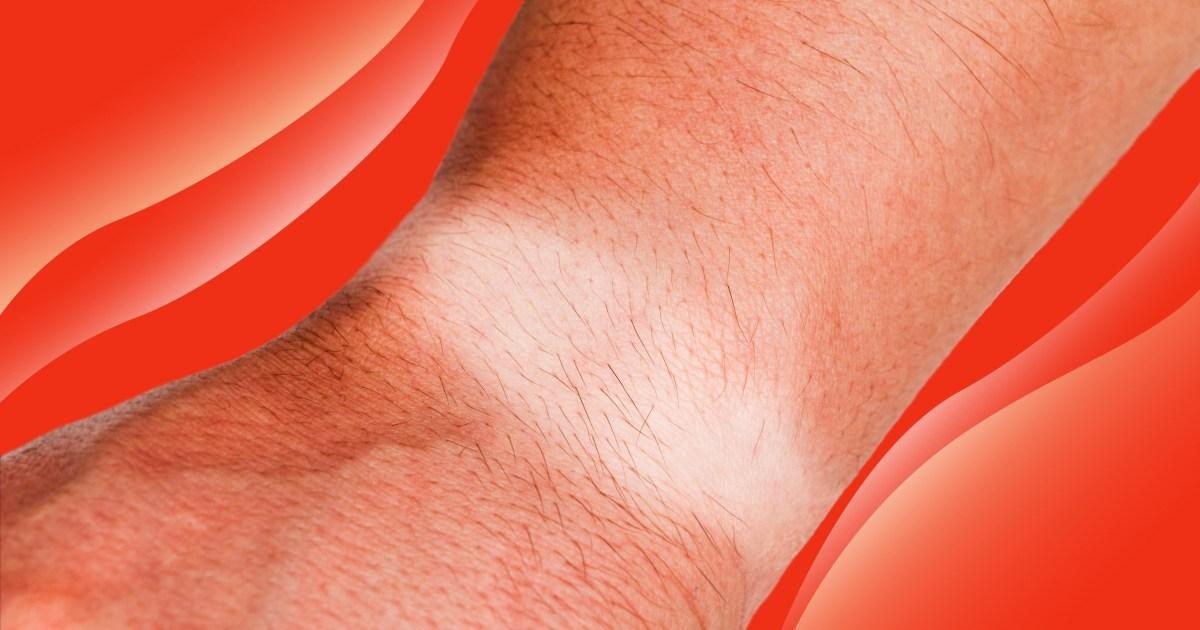
Thankfully, it’s not actual ‘rotting’ (Picture: Getty/Metro) If you’re one of the 35% of people who wears a smartwatch, we have a question for you: when did you last take it off? Given most modern wearables are waterproof, and offer in-depth insights into everything from sleep patterns to step count, many people have made them a permanent fixture. But just because you can wear these watches round the clock (pun intended) doesn’t mean you should. A recent social media trend, where smartwatch users share the tan lines left on their wrists after training outdoors, has birthed a new term for summer 2026: watch rot. Because as it turns out, these pale bands of skin often have nothing to do with tanning, and are actually caused by bacteria and sweat. Ask Metro Use AI to go deeper into the stories you care about – powered by Metro and trusted publications. With temperatures soaring this summer, it seems ‘watch rot’ has too, with 33,000 Google searches for the term in the last month alone. According to Dr Farah Latif, physician and medical director at Elevate Clinic Cardiff, it’s also translating into the real world, with ‘more cases of irritation beneath watches’ coming her way in clinic. Thankfully, the majority of the time there’s no actual ‘rotting’, as some on social media have suggested — but it can still be a major wrist-ache. What is ‘watch rot’ and what causes it? While ‘watch rot’ isn’t a recognised medical diagnosis, Dr Latif explains thatit’s increasingly being used to describe ‘the pale, irritated or inflamed patch of skin that develops beneath a watch strap.’ ‘In many cases, it’s caused by a combination of trapped sweat, friction, heat and reduced air circulation, which can weaken the skin barrier over time,’ she tells Metro. ‘Some people may also develop irritant or allergic contact dermatitis, particularly if they’re sensitive to materials such as nickel, rubber, leather dyes or certain plastics used in watch straps.’ Because it leaves a pale strip of skin, this is easily mistaken for a tan line. However, ‘watch rot’ typically comes alongside ‘redness, dryness, itching, flaking or irritation’, with some people also reporting a soggy or slightly grey quality to the area where the watch sat. ‘If the skin feels uncomfortable or looks inflamed rather than just lighter in colour, it’s more likely to be irritation than a tan line,’ Dr Latif adds. How is ‘watch rot’ treated? Dr Latif explains that the first step with skin issues like this is identifying and removing ‘the trigger’. ‘Giving the skin a break from wearing the watch, particularly if symptoms are active, often allows the area to recover,’ she says. ‘Watch rot’ is normally accompanied by additional symptoms (Picture: Getty Images) ‘Using a gentle moisturiser can help restore the skin barrier, while mild topical steroid creams may be recommended if dermatitis has developed. ‘If an allergy is suspected, changing to a different strap material can make a significant difference.’ If the problem continues despite taking these steps, Dr Latif recommends seeing a doctor to rule out infection or other conditions. How to prevent it It may seem like a no-brainer, but hygiene is key when it comes to preventing ‘watch rot’. Dr Latif advises regular cleaning of both the watch and the strap, particularly if you exercise or sweat frequently, and making sure the strap isn’t excessively tight, ‘as this increases friction and traps moisture against the skin.’ ‘If you’ve been swimming or exercising, dry both your skin and the watch before putting it back on,’ she continues. Deals of the Day Parents can save up to 30% on Kickers school shoes ahead of the new term The back-to-school hack that's helping parents avoid queues and sold-out sizes Could your hair be wavy rather than straight? This brand thinks so Could your star sign improve your skincare routine? This new beauty launch thinks so Best skincare for menopausal skin? This dermatologist-created treatment is tailored to you ‘And for people with sensitive skin, choosing hypoallergenic materials such as medical-grade silicone, titanium or certain stainless steels may also help reduce the risk.’ Do you have a story you’d like to share? Get in touch by emailing MetroLifestyleTeam@metro.co.uk Arrow MORE: The problem with Instagram posts where young women claim to look ‘weirdly pretty’ Arrow MORE: SABSing is the offline dating trend set to take over London — here’s how you do it Arrow MORE: Perez Hilton’s family speak out after hospitalisation following distressing livestream The Slice Your free newsletter guide to the best London has on offer, from drinks deals to restaurant reviews.
The ‘rotting’ summer wrist condition that keeps being mistaken for tan lines
Full Article
Original Source
Read the full article at Metro →KhanList aggregates and links to publicly available news content. We do not host full articles from third-party sources. Always verify important information with original sources.