
Among the hundreds of sexual encounters the actor and influencer Russell Brand recounts in his memoir My Booky Wook: A Memoir of Sex, Drugs and Stand-Up (2007), which sold more than half a million copies, is an episode with a private dancer from a strip club. After having sex in Brand’s flat, the two got into an argument in which she ended up slapping him.“As I escorted Michaela through the front door, I felt very strongly that I needed to avenge the slap. I spat in her face. Yes that’s right, I spat in the face of a beautiful woman. I was convinced that it was the only course of action and that there’d be no consequences,” the actor recounted.During the 1990s, so-called “lad culture” triumphed in the United Kingdom. Alcohol, drugs, soccer, camaraderie and sex in abundance, presented as a fun pop phenomenon, fueled by magazines such as FHM and channels like MTV, but also embraced by more conventional media. Brand was the golden boy of that era, one many Britons today no longer recognize, or do not want to recognize.The actor’s memoirs received praise for their style, candor, honesty, and apparent roguish spirit. “To his expanding CV can now be added a scandalous, libidinous memoir that is better written and more entertaining than any number of the celebrity autobiographies that clog the shelves of our bookshops,” a review in the progressive paper The Observer said at the time. “But you still wonder having read it: what will become of Russell Brand?” its author concluded.The prison sentenceThis week, a British judge sentenced the actor to ten and a half years in prison — of which he must serve at least seven before becoming eligible for parole — after a jury of four women and eight men found Brand guilty of raping one woman and sexually abusing three others.The man who listened silently to his verdict hardly looked like the “sexual predator” — in the magistrate’s words — who subjected his victims to horrifying humiliations, as they described during the weeks-long trial. One of them said that after he anally raped her without consent and having removed his condom, he forced her to clean sheets soaked with sweat, feces, and semen before throwing her out of his home.Brand turned to Christianity in recent years, even undergoing a baptism ceremony in the River Thames, and during the trial he wore several crucifixes around his neck, kept a rosary in his hands, and at many moments, including while the sentence was read, closed his eyes and appeared to pray and meditate.The British media’s obsession with his story has largely been seen as a way to clean the conscience of an era in which there was more than one culprit. “I think it looks very old hat if you look back on that stuff; it’s dated horribly and I don’t think many people are going to be keen to defend Brand’s act now knowing that it reflected his real world behavior rather than an ironic performance,” Sarah Ditum, author of the book Toxic: Women, Fame and the Noughties, told the BBC.In recent years, Brand had become a prominent promoter of outlandish theories about events such as the September 11, 2001 attacks and the coronavirus pandemic. Praised, applauded and defended by many within British progressivism as an iconoclastic provocateur against the powerful, Brand gradually came to be seen as someone capable of swallowing stories such as that Bill Gates secretly colludes with other billionaires to control the world, that the World Health Organization sought to make humans into “serfs” through its pandemic-control systems, and that aliens are gods who have been communicating with humans for years.But he still enjoyed the attention and favor of millions of followers on his YouTube channel, and at first he used that platform to vehemently deny all the accusations some media outlets published against him.The tabloid Daily Mirror once estimated Brand’s personal fortune at €18.5 million ($20.5 million). Once rabidly anti-capitalist and seemingly proud of his humble Essex origins, the actor now owns a seven-bedroom Victorian Gothic mansion in the English county of Oxfordshire, where he had been living with his wife, author and illustrator Laura Brand, and their two children.To her he mouthed a silent I love you when the judge’s sentence was read.“The Brand trial has highlighted that tendency to blame victims that I have tried to fight throughout my career in criminal justice,” said Helena Kennedy, a lawyer, Labour member of the House of Lords, and chair of the Creative Industries Independent Standards Authority, an organization created specifically to prevent abuse or harassment in the arts. “We heard again the old tropes about victims who do not scream while they are raped or who do not report the assault immediately afterward,” Kennedy said, calling for specific training for British judges and lawyers so they can properly handle these gender violence cases.Brand has ultimately faced criminal charges for his excesses, and it is possible that ongoing police investigations could lead to a longer sentence. But the media outlets that capitalized on his popularity and success — including the BBC — have barely conducted any internal reviews or shown any remorse for having cheered on, covered up for, and even protected a figure who embodied all the sins of an era that has yet to undergo a thorough reexamination.Sign up for our weekly newsletter to get more English-language news coverage from EL PAÍS USA Edition
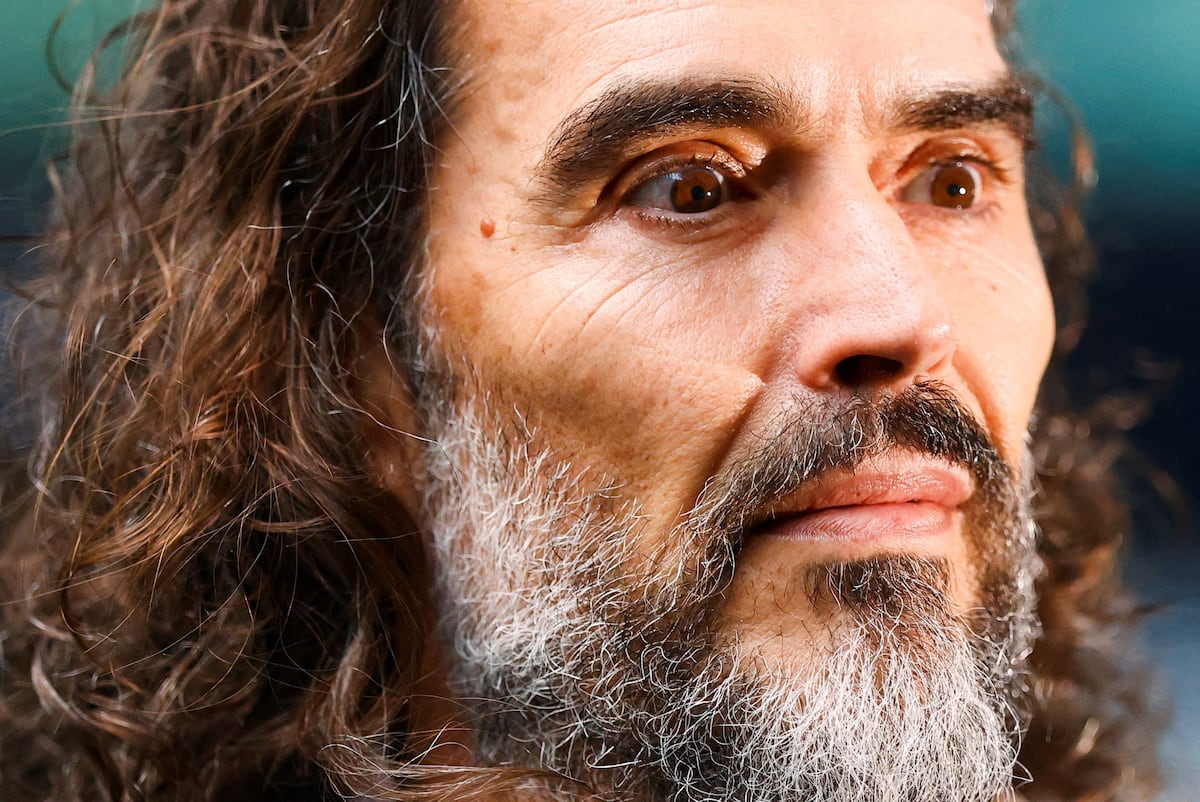
The rise and fall of Russell Brand, symbol of the UK’s ‘lad culture’
Full Article
Original Source
Read the full article at English →KhanList aggregates and links to publicly available news content. We do not host full articles from third-party sources. Always verify important information with original sources.