
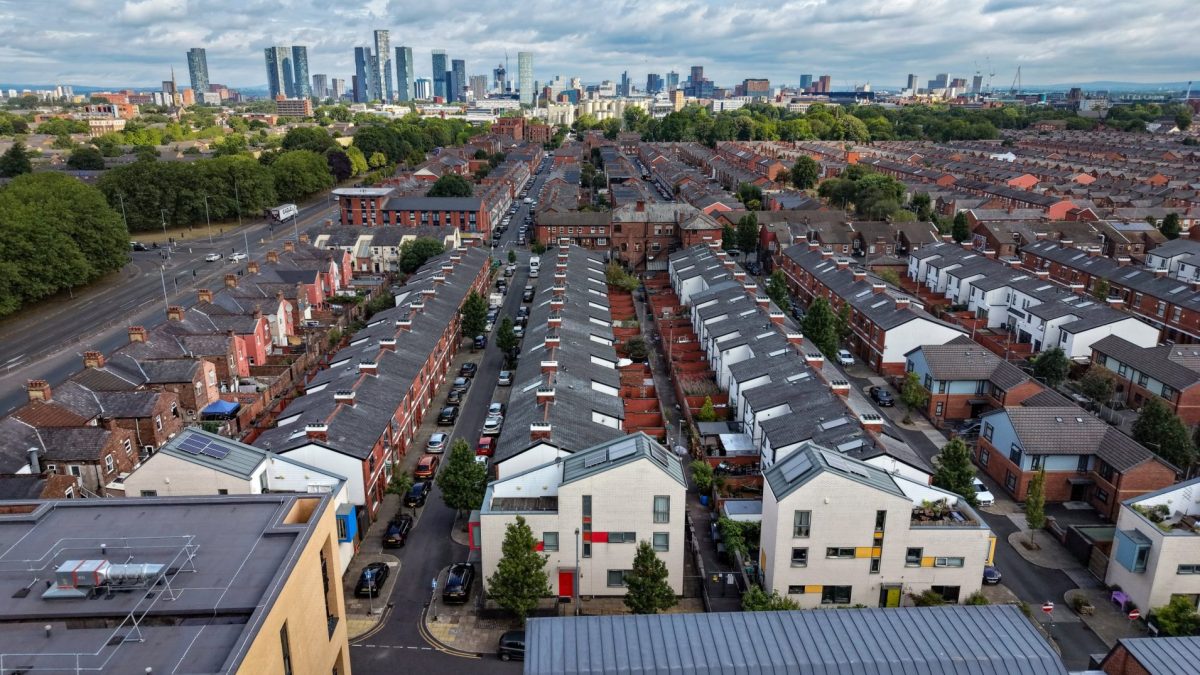
Young people desperately hoping to own their home still face “major obstacles” in getting on the property ladder, the Government has been warned. The Chancellor, John Healey, confirmed a new scheme for first-time buyers at the Budget, helping them to buy new-build homes with a smaller-than-usual 2.5 per cent deposit. Yet many of the “squeezed middle” starting to make headway in their career still face big barriers to homeownership, according to housing experts. Rising rents and house prices, daunting mortgage rates and salaries that struggle to keep pace with the cost of living make it a distant dream for many. Shorts Some members of so-called “generation rent” are being pushed out of the cities where they grew up to try to save for a deposit. The i Paper took a closer look at these pressures and the parts of the country they are playing out most intensely. Struggle to save and ‘painful’ mortgage rates Labour’s Your First Home scheme will help first-time buyers purchase new-builds with a 2.5 per cent deposit, backed by a 20 per cent equity loan, from February 2027. The earnings cap has been set at £110,000 for households outside London, and £140,000 for buyers inside the capital. Holly Williamson, chief executive of Generation Rent, welcomed the scheme but warned that there were “still major obstacles to buying” for so many young people. “It’s so difficult to save any money where you’re paying over the odds on rent. The scheme offers a loan that not everybody is going to be able to afford.” David Fell, lead analyst at Hamptons estate agents, said the scheme was “definitely a positive” for some first-time buyers. However, he said the affordability of repayments is “still an issue for some young people”, adding: “Mortgage rates for first-time buyers of 5 to 6 per cent are still very painful.” ‘Harder life’ with higher rents ahead Ian Harris, president of NAEA Propertymark, which represents estate agents, said the struggle to get on the ladder “has become about much more than simply saving a deposit”. Generation Rent is having to “balance high rental costs with the need to save”, while also facing tough mortgage affordability requirements, he said. Private tenants are also facing the prospect of higher rents ahead, as they struggle to save for a deposit. Landlords face a tax rise of 4 per cent on rental income from 2027, after Healey added a further 2 per cent to the 2 per cent announced by his predecessor Rachel Reeves last year. The UK’s official Budget watchdog said the tax plans risk a “steady rise” in rent prices as landlords pass on the costs to tenants. Ben Beadle, chief executive of the National Residential Landlords Association (NRLA), claimed Labour had “made life harder for renters right across the country”. Brighton – trendy but unaffordable Brighton and Hove is an area where “generation rent” faces acute financial pressures. The popular south-coast city has had an influx of young graduates in recent years – only for them to find it no longer much cheaper than London. Some 33.2 per cent of Brighton’s housing is privately rented – the highest anywhere outside of London. Average private rents in the city are £1,816, according to ONS data. Across the South-East, the average rental price rose by 3.5 per cent in the past year. Brighton has had an influx of private renters in recent years (Photo: Andy Soloman/UCG/Universal Images Group via Getty) “It’s become one of the least affordable places to rent outside of London in recent years,” said Williamson. “We’ve seen a lot of people move from London to Brighton, only to find homeownership is still going to be too difficult because prices have gone up so much,” added the campaigner. The average price paid by first-time buyers in Brighton is now £343,000. “There’s been a lot of high-price growth in Brighton in recent years, even relative to London,” said Fell. Some would-be first-time buyers “may not find it affordable” any more, he added. “You have relatively high rents making it difficult to save a deposit,” the property expert added. Manchester – boomtown for pricey flats Manchester is another city with a high proportion of young renters feeling the squeeze. Some 33.1 per cent of its housing is privately rented, the second-highest outside of London. Private rents in Manchester rose to an average of £1,380 last month – an annual increase of 4.6 per cent. The average price paid by first-time buyers in the city was £241,000 – up 2.3 per cent on last year. “It’s one of those places it’s become really difficult to rent for young people,” said Williamson. “I heard from one young person recently who had to move quite far out of Manchester just to pay rent. It’s also difficult for young people to keep pace with house prices.” Manchester has enjoyed a boom in “expensive new flats” built by investors in recent years, said Fell. The city is one of the places that young, middle-class people “can just about afford to rent, but not to buy any longer”, he added. “So you’re seeing people having to move further out to save a deposit or to buy.” Kensington and Chelsea – priced out of London Kensington and Chelsea is the single least affordable area in Britain, according to a March 2026 Nationwide report. Homes here cost 13.9 times local earnings, it found. The average price paid by first-time buyers was an eye-watering £1,020,000. Average private rents rose to a staggering average of £3,739 last month – an annual increase of 3 per cent. Yet it is still an area that many young renters call home. Some 42.8 per cent of housing here is privately rented – the third-highest proportion in England. Kensington and Chelsea has a high number of renters, but buying is unaffordable for most (Photo: Richard Baker/In Pictures via Getty) Fell said young, middle-class buyers face stiff competition from international buyers in the “prime” parts of inner London like Kensington and Chelsea. “So it becomes very hard to buy unless you have some family wealth or inherited wealth. “Even further out in London, high prices and high interest rates still make it difficult for people trying to save for their first home. Higher rents in London also inhibit young people’s ability to save – even with higher salaries.” First-time buyers in London pay 54.1 per cent of take-home pay in mortgage payments – well over the UK average of 33.1 per cent, according to Nationwide analysis. “People are priced out of lots of parts in London, having to move out in search of cheaper rent or to buy,” said Williamson. “It’s not just areas like Kensington and Chelsea – there are young people who know they can’t afford to buy anywhere in London and will have to move out if they ever hope of buying.” A Treasury spokesperson said getting onto the housing ladder “has become too difficult”. They added: “This Budget backs first-time buyers with £4.7bn through Your First Home, expected to support around 70,000 first-time buyers, alongside a new first time buyer ISA with a 25 per cent government bonus.”
The rental blackspots where it’s about to get a lot worse for tenants
Full Article
Original Source
Read the full article at Inews →KhanList aggregates and links to publicly available news content. We do not host full articles from third-party sources. Always verify important information with original sources.