
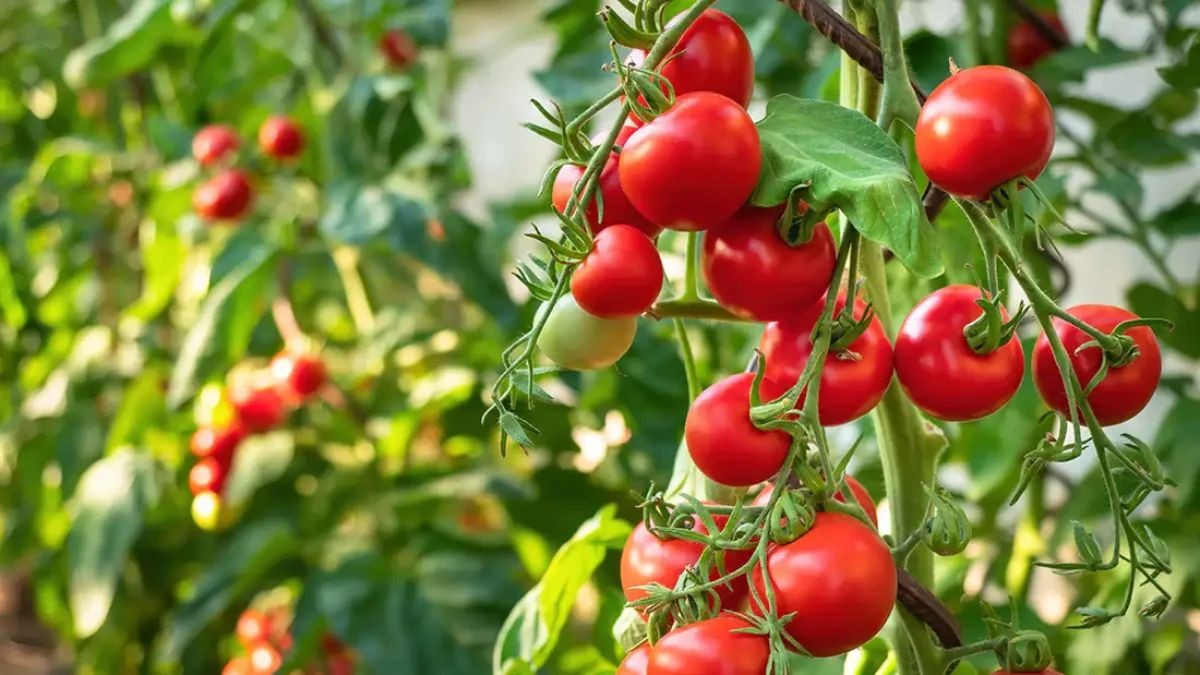
You plant tomatoes in good soil, add compost, give them enough space and wait for the first harvest. But instead, the leaves started turning brown, the flowers dropped and you start seeing that the tomatoes have developed ugly black patches.So, what went wrong? Well, it may not necessarily be your soil. Soil quality certainly matters for tomatoes, but many of the problems that make tomato plants struggle are generally linked to other factors such as inconsistent watering, extreme temperatures, wet foliage, poor airflow and disease. And sometimes, the problem is simply that the plant is under stress.YOUR WATERING ROUTINE COULD BE THE PROBLEMTomatoes don't really like extremes. If you let the soil dry out for too long, the plant can become drought-stressed. This leads you to giving it a large amount of water all at once, and the sudden change creates a whole new set of problems. One of the most common is blossom-end rot, which appears as a dark, sunken patch at the bottom of the tomato.It is often described as a calcium problem, but that does not necessarily mean your soil is deficient in calcium. The bigger issue is whether the plant can consistently take up enough calcium while the fruit is developing, and it has been found that fluctuating soil moisture can interfere with that process. The fix is therefore not always to add more calcium; it is better to keep the soil moisture relatively consistent instead. The University of Minnesota Extension recommends thorough watering and states that about 1 inch of water per week is generally suitable for tomatoes, although the exact requirement varies with soil and weather. Mulching can also help in reducing evaporation and keeping moisture more stable.THEN THERE IS HEATYour tomato plant may look healthy one week and suddenly stop producing fruit the next, and a lot of the time, the issue could be temperature. Tomato flowers are sensitive to heat and cold. University of Illinois Extension notes that blossom drop is common when daytime temperatures rise above 90°F (about 32°C), while cold nights can also interfere with flowering. Penn State's 2026 tomato-growing guidance also notes that blossom drop can occur when nighttime temperatures fall below 55°F (13°C) or rise above 75°F (24°C). That means a plant covered in flowers does not necessarily mean a big harvest is coming, since if the weather is too hot or too cold, those flowers may simply fall before they produce tomatoes. In that case, changing the soil will not solve the immediate problem; the temperature needs to change.WET LEAVES CAN INVITE DISEASEWatering the plant rather than the soil is another mistake most people end up making. It may seem harmless, but keeping tomato foliage wet for long periods can increase the risk of certain diseases. Water splashing from the soil can also spread disease-causing organisms onto lower leaves. This is why morning watering is generally preferable, since it gives the leaves time to dry.Spacing matters too, since tomato plants need enough room for air to move through the foliage. Dense, poorly ventilated plants stay wet for longer, which creates conditions that favour some fungal diseases. Staking and appropriate pruning can improve airflow and help foliage dry more quickly.So if the lower leaves are developing brown or black spots that are gradually moving upward, don't immediately blame the soil, as you may be looking at a disease problem.WHAT ABOUT CRACKED TOMATOES?You finally get fruit, only to find that the skin has split, and again, the problem may be water. Tomato cracking commonly occurs because of rapid fruit growth and sudden changes in water availability. A period of dry weather which is followed by heavy rain can cause the fruit to take up water quickly, which puts pressure on the skin.Consistent watering can reduce the risk. Mulch can help too, because it slows the loss of moisture from the soil and makes sudden swings far less likely.SO, DOES SOIL ACTUALLY MATTER?Yes, and that is the important caveat. Tomatoes grow best in reasonably well-drained soil, and soil pH and nutrient availability affect how effectively plants can take up nutrients. Penn State Extension puts the preferred soil pH for tomatoes at roughly 6.2 to 6.5. Poor drainage can also interfere with root function and nutrient uptake.But a soil test is a lot more useful than guessing. If your plants are constantly struggling, test the soil before adding more fertiliser or other amendments. Too much fertiliser can create its own problems, and some tomato disorders that look like nutrient deficiencies are actually caused by water or environmental stress.The better approach is to look at the whole growing environment. Are you watering consistently? Are the leaves staying wet? Is the plant getting enough airflow? Has the temperature suddenly risen? Are there signs of disease? Is the soil actually lacking a nutrient, or are the roots struggling to take it up? Your tomato plant is giving you clues, and the trick is to read them before reaching for another bag of fertiliser- EndsPublished By: Aprameya RaoPublished On: Sep 1, 2026 20:39 IST
The reason your tomato plants keep failing have nothing to do with your soil
Full Article
Original Source
Read the full article at Indiatoday →KhanList aggregates and links to publicly available news content. We do not host full articles from third-party sources. Always verify important information with original sources.