
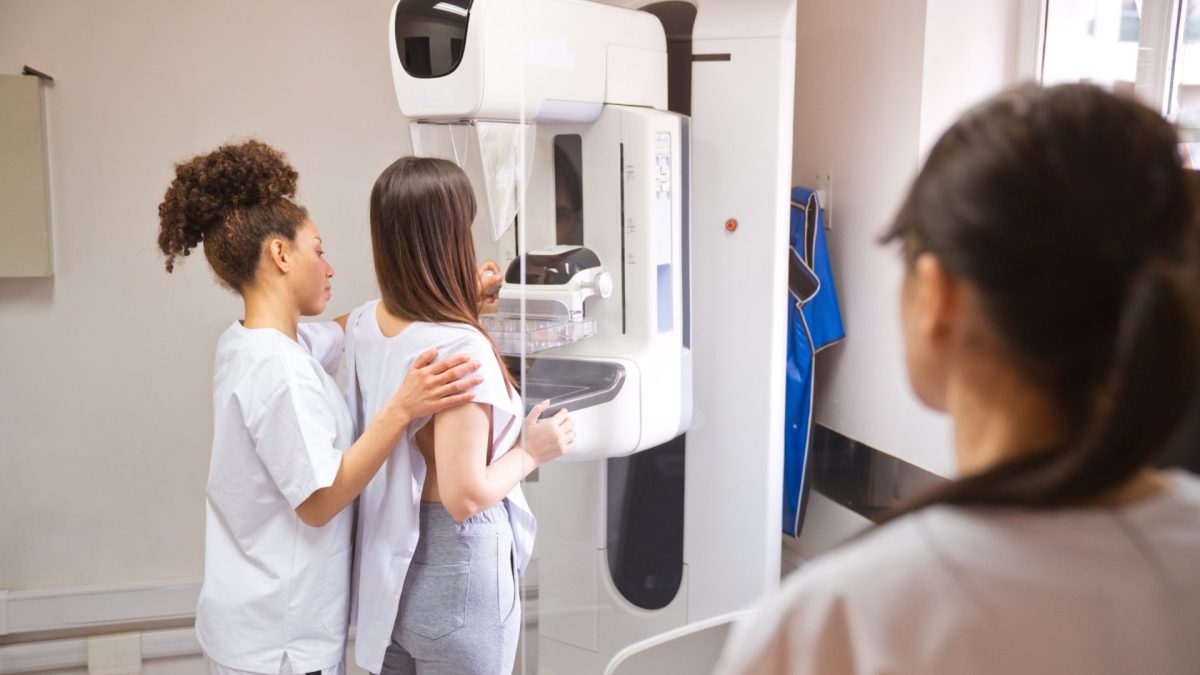
Women with early-stage breast cancer could be spared multiple rounds of gruelling radiotherapy under a “breakthrough” cancer trial. More than 1,000 people have joined a Government-funded trial testing whether breast cancer radiotherapy can be safely cut from three weeks to just five days, with women potentially spared 10 hospital visits. The “FAST-Forward Boost” trial is running at 39 hospitals across the UK and will test a shorter course of radiotherapy with an additional targeted dose, known as a boost, to help stop breast cancer returning. Shorts It is hoped that reducing the rounds of treatment will improve patients’ quality of life and cut travel costs and time away from work and family, while also freeing up NHS capacity to treat more people. The trial builds on previous research, and a similar approach has already been adopted for other conditions such as low- to intermediate-risk localised prostate cancer. Researchers hope to recruit more than 4,000 people for the trial overall, with participants followed up for five years and results expected in 2033. Radiotherapy for early-stage breast cancer is very effective but can be gruelling for patients due to treatment being required over several weeks, side effects and also the emotional strain. Yvette Cooper, the Health Secretary, said: “This trial shows how the UK is using our world-beating research capabilities to pursue huge improvements and transformations in cancer treatment for patients in our NHS. “This programme is aiming to radically shorten the treatment times for breast cancer – to support patients and save more lives. The UK is home to some of the best medical research and clinical expertise in the world, and this trial is the latest example of what we can achieve when we bring them together.” Professor Lucy Chappell, the chief executive of the National Institute for Health and Care Research (NIHR) and the Department of Health and Social Care chief scientific adviser, said: “Playing a major role in tackling some of the biggest killers, including breast cancer, is at the very heart of what we do. “For 20 years, the NIHR has invested in studies like the FAST-Forward Boost trial – funding high-quality research that transforms patient care in the NHS. “We know the impact breast cancer treatment can have on patients and their families, and how the side effects of radiotherapy can affect people’s quality of life, even long after treatment has ended. “Studies like this are crucial, as they aim to not only identify new treatment options which can be delivered swiftly and safely – but also minimise side effects, giving patients more time away from hospitals and with the people that they love.” The trial is being led by the Institute of Cancer Research, London, and funded through the NIHR. The Government has also announced that Ashley Dalton, a Labour MP who has terminal breast cancer, has been appointed as an adviser on delivery of the National Cancer Plan. Dalton resigned as a health minister in March to manage her health and treatment side effects. She said: “It’s a real honour to be appointed the Government’s Cancer Adviser. Publishing the National Cancer Plan was a huge professional and personal achievement of mine and I have been determined to ensure that the commitments in it are driven forward. “Now I can do this in a more formal way, working directly with the responsible minister, James Frith. “My time as health minister taught me so much, and so has living with metastatic breast cancer. I want to use my experiences in the best way I can, to support the commitment in the National Cancer Plan that by 2035, three out of four people diagnosed with cancer will be cancer-free or living well with cancer after five years.” The 39 hospitals taking part in the trial The Royal Marsden Hospital, London The Royal Marsden Hospital, Sutton Addenbrooke’s Hospital, Cambridge Christie Hospital (Manchester) Royal Surrey County Hospital Churchill Hospital, Oxford Singleton Hospital, Swansea Royal Free Hospital, London James Cook University Hospital, Middlesbrough Royal Berkshire Hospital Charing Cross Hospital, London Southampton General Hospital Western General Hospital, Edinburgh St. John’s Hospital, Livingston Barts (St Bartholomew’s Hospital), London The Beatson West of Scotland Cancer Centre Royal Alexandra Hospital, Paisley Clatterbridge Cancer Centre Queen Alexandra Hospital, Portsmouth University Hospitals Coventry and Warwickshire Weston Park Hospital, Sheffield Royal Shrewsbury Hospital Belfast City Hospital Peterborough City Hospital Northampton General Hospital Dumfries and Galloway Royal Infirmary Queen Elizabeth Hospital, Birmingham Borders General Hospital University Hospital Crosshouse, Kilmarnock West Middlesex University Hospital University Hospital Hairmyres St James’s University Hospital, Leeds Guy’s Hospital, London Bristol Haematology & Oncology Centre Ipswich Hospital Forth Valley Royal Hospital University College Hospital, London Ealing Hospital Mount Vernon Cancer Centre
The radical new breast cancer trials to cut gruelling radiotherapy sessions by two-thirds
Full Article
Original Source
Read the full article at Inews →KhanList aggregates and links to publicly available news content. We do not host full articles from third-party sources. Always verify important information with original sources.