Napoleon famously said: “I would rather have a lucky general than a good general.” He would probably have approved of Andy Burnham as a lucky politician, and time will soon tell if his luck is matched by his political skills. Most likely Burnham would not be Prime Minister today had he not had a great stroke of luck when Sir Keir Starmer, with typical ineptitude, blocked the mayor of Greater Manchester from standing in the Gorton and Denton by-election on 26 February. Had Starmer allowed him to become an MP and given him a senior Cabinet post, he would have made it very difficult for Burnham to stand immediately for the Labour Party leadership. In the event, Burnham was able last month to win the election in Makerfield as the implicit anti-Starmer candidate who could trounce Reform UK at the polls, while uniting the progressive end of UK politics. Moreover, he is fortunate in coming to power as the Reform tide recedes, at least for the moment, and the Tory party is resurrecting, splitting the right-wing vote. Good politicians make their own luck, which means knowing which way the political winds are blowing and taking advantage of them. By becoming mayor of Greater Manchester in 2017, Burnham showed astuteness because the job is more powerful than it looks: the holder is chosen directly by an electorate of two million, is highly visible and cannot be sacked. Mayors in Manchester and London can provide and publicise practical benefits for their voters, such as Bee Network buses in Manchester, presenting themselves as the representative and defender of their city and region, as Burnham did in rows with Boris Johnson during the Covid-19 pandemic. How far is this mayoral success transferable to the national stage? Mayors tend to become more popular the longer they stay in office, while prime ministers plummet. Burnham and Sadiq Khan have both been elected three times with handsome majorities, while five discredited prime ministers have come and gone in Downing Street. These days, outside wartime, it seems to me that the British identify more with their city or region than they do with any prime minister vainly calling for national solidarity. Burnham has the advantage of succeeding Starmer, with his genius for alienating all sides simultaneously, moving the Labour Party far enough to the right on immigration, welfare and Gaza to provoke a mass exodus of millions of Labour voters to the Greens and Lib Dems or to abstain from voting at all. The rightward shift legitimised Reform policies while failing to win over their supporters. Burnham has sought to win back defectors by apologising for Labour’s Gaza policy, but Labour loyalties shrivelled under Starmer and may be difficult to revive. An advantage Burnham will have over Starmer will be his ability to communicate simply and clearly. Starmer was notoriously inarticulate, coming across as inauthentic and insincere, failings which voters saw as reflecting wavering beliefs and judgement. In an age of non-stop communication on multiple platforms from press conferences to podcasts, communication skills of a high order are more essential than ever – witness the rise of Donald Trump and Nigel Farage on the right and Zack Polanski and Zohran Mamdani in New York – on the left. “Can they deliver and when will they do so?” is the first very reasonable question asked about any new leader. Burnham is wise to give a general idea of where he is coming from with a denunciation of Thatcherism: “In the 1980s, Britain took some wrong turns. Political power was centralised, economic power privatised, large parts of the country deindustrialised and they still haven’t recovered.” This gives a firm sense of Burnham’s direction of political travel. The very ambition of the objective to reverse this means that nobody expects this massive reversal of course to happen tomorrow, but it does pin his political colours to the mast. It fulfils the crucial need to tell supporters and potential supporters whose side the Government is on. It is also intelligent to point to some small achievable aim, like ending rough sleeping to show sincerity and practicality. As Burnham disappeared through the door of Downing Street, media talking heads and retired mandarins were pontificating about how he would now have to deal with the serious business of government – intelligence briefings about threats to the nation and the alike. The unspoken suggestion is that he will soon have to abandon any airy-fairy notions about changing the way Britain is run. Past experience indicates that any attempt at devolution of money spending and tax raising as opposed to nominal decision-making will be fought tooth and nail by the Treasury. The first critical decisions to be made by the Burnham Government may come in the next few weeks and are about war and peace. President Donald Trump has resumed the US war with Iran in order to change the balance of power in the Middle East which had left Iran in control of the Strait of Hormuz at the end of the US-Israel attack on Iran earlier this year. If Trump escalates this further and extends the US bombing campaign to strike at Iranian power stations, oil refineries and desalination plants, Iran has promised to close the Bab al-Mandab at the entrance to the Red Sea off Yemen, and thereby cut an estimated five million barrels of Saudi oil exports. The Houthis in Yemen have just announced a naval blockade of Saudi Arabia. Political and economic crises may be imminent for Britain and the world. Burnham may soon have to decide if he will allow American bombers to use UK airbases to attack civilian targets in Iran. Separately, there will be a surge in oil prices and the cost of living. Starmer havered over such questions – and usually managed to get the worst of all possible worlds. We will soon see if Burnham can do better. He is going to need a lot of luck.
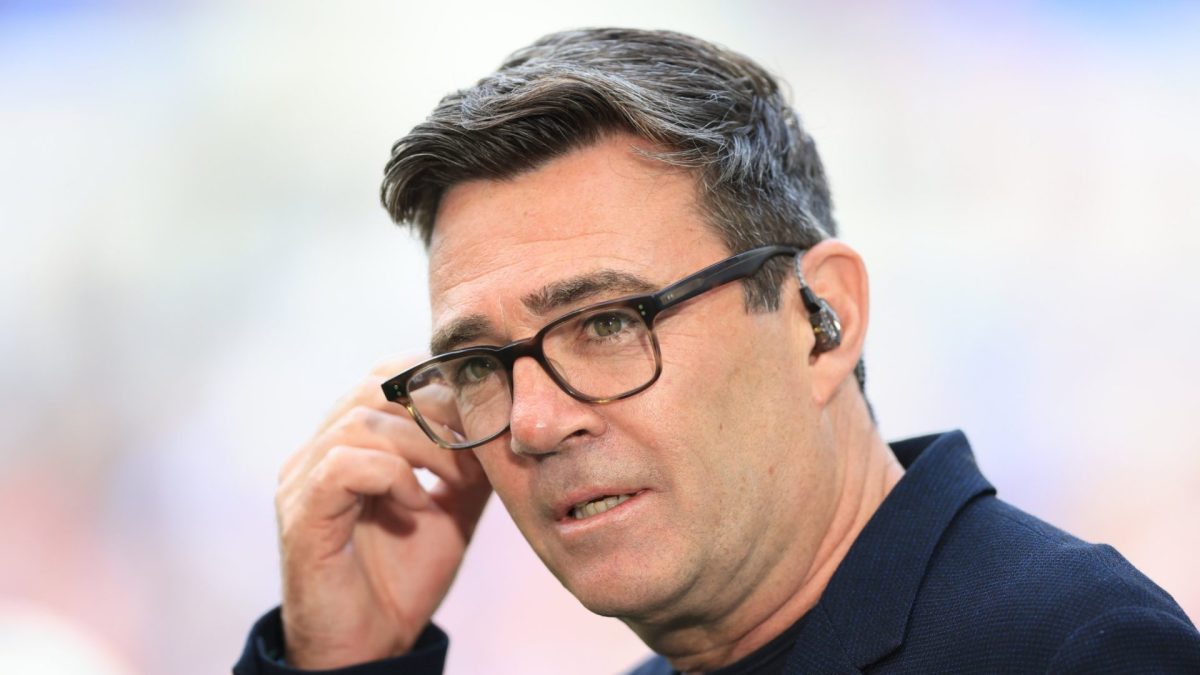
The question about Andy Burnham is how long his luck can hold
Full Article
Original Source
Read the full article at Inews →KhanList aggregates and links to publicly available news content. We do not host full articles from third-party sources. Always verify important information with original sources.