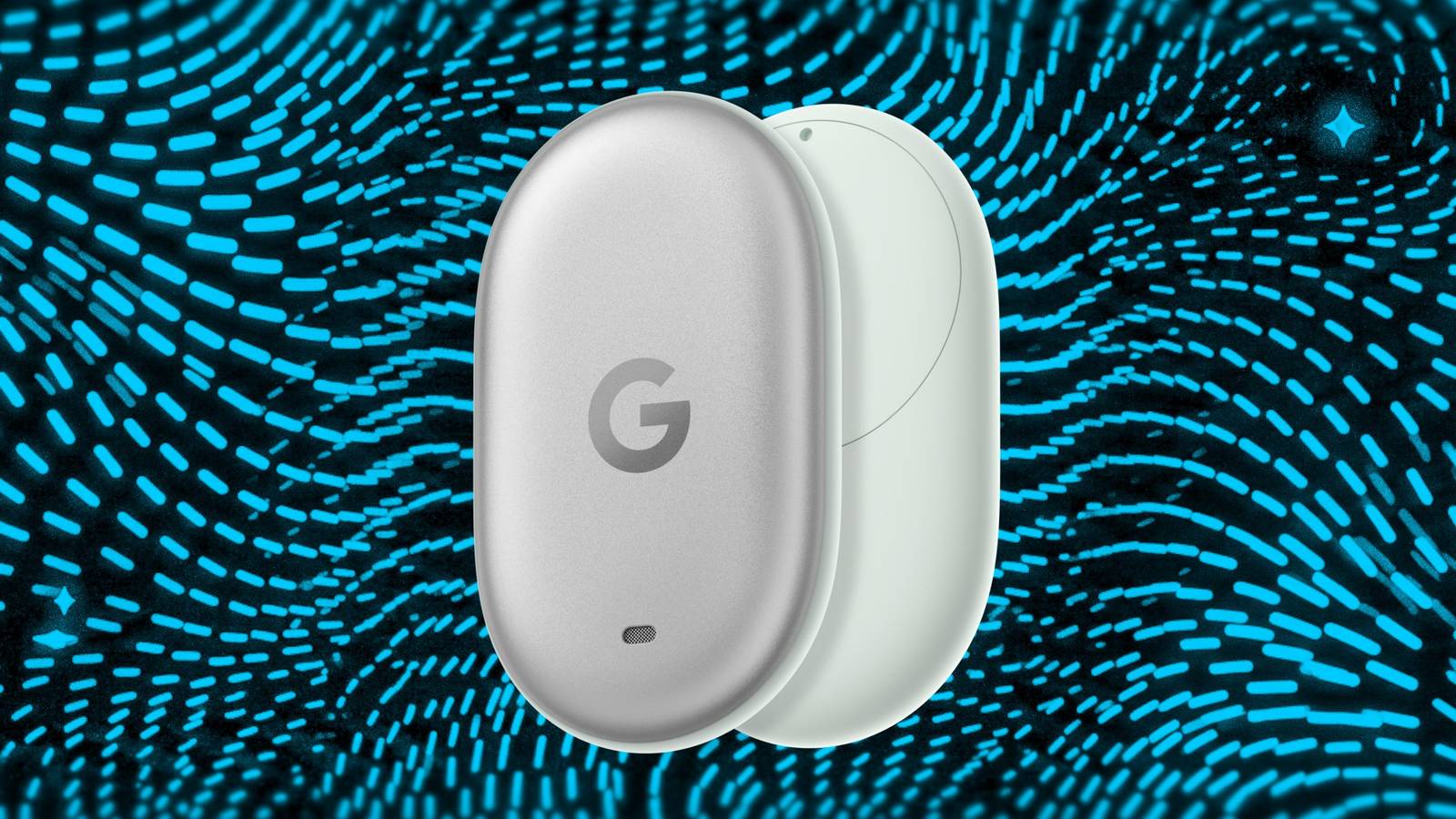
Credit: Joe Fedewa / How-To Geek | Google Published Aug 12, 2026, 10:00 AM EDT Viraj Gawde is a Tech Journalist with bylines at Travel+Leisure India & South Asia, Android Headlines, 91Mobiles, Croma Unboxed, etc. He has written thousands of news pieces, how-to guides, product comparisons, listicles, and op-eds on consumer tech. Currently, Viraj is obsessed with the fast-evolving world of artificial intelligence and how it is reshaping the way we work, create, and use tech. As a curious generalist, Viraj's work extends into a wide range of subjects, formats, and storytelling styles. When away from desk, he is a finance, sports, and travel geek with a constant curiosity for new experiences. Sign in to your How-To Geek account Apple’s AirTag, Chipolo, Tile, and Moto Tag have run the Bluetooth tracker show for years. Now, Google is officially entering the segment with the Pixel Tag. It will help you find misplaced belongings, so finding keys, wallets, or bags is about to become less stressful for Android users. The accessory made its debut at the Made by Google event, which also saw the arrival of the Pixel 11 series, Pixel 11 Pro Fold, and the Pixel Watch 5. Alongside, the company is also giving the two-year-old Pixel Buds Pro 2 a new colorway. Google wants you to stop losing your stuff First-party answer to AirTag The Pixel Tag has a pill-shaped design and is compact enough to disappear in your wallet or bag. It measures 46.1mm tall, 28mm wide, and just 5.4mm in thickness, while tipping the scales at 11.8 grams with its battery. The accessory sports a polycarbonate and metal build. The IP67 rating gives it protection against dust and immersion in up to one meter of water for 30 minutes. The Pixel Tag has Ultra-Wideband support with Precision Finding that can work accurately up to 50 meters from your phone. The feature needs a compatible device with UWB hardware support and running on Android 9 and later. The tracking accessory also comes with Bluetooth Channel Sounding, which is designed to measure the distance between compatible devices more precisely compared to conventional Bluetooth proximity detection. Rather than simply telling you that the tag is somewhere nearby, your phone can help you work out how far away it is. The Pixel Tag also has a built-in speaker, making it easier to locate belongings by playing a sound. The only catch is that Bluetooth Channel Sounding requires Android 16 or later and Bluetooth 6.0 connectivity. The Pixel Tag is powered by a CR2032 battery that is rated to last over a year. You can swap a battery easily instead of the whole tracker. With its functionalities, Google’s first tracker already rivals Apple’s AirTag on paper. While Chipolo, Tile, and Motorola’s trackers plug into Google’s Find My Device network, the search giant’s real advantage is scale. What the Pixel Tag offers is a first-party trick—the tracker that comes from Android itself, the same way AirTag works for iPhones. The Pixel Tag comes in a single Light Fog color and will cost $29 in the US when it launches on November 11th. It's the only device announced today that is not available for pre-order. Pixel Buds Pro 2 gets Pixel 11-inspired look A fresh finish without changing the formula Alongside the Pixel Tag, the Pixel Buds Pro 2 now comes in Olive color that matches the Pixel 11 family. The storage case’s interior and exterior remain the same as other color options. The rounded outer touch surface of the earbuds has the new understated Olive Green shade. The color contrasts with the black inner earbuds and the silicone eartips. Apart from the cosmetic change, the Pixel Buds Pro 2 Olive finish keeps the same core specifics as the other color options. Google says an incoming software update will be available for all color options of the Buds Pro 2 next month. It will get dynamic ANC, Gemini controls for adjusting audio, and Live Translate support for 70 languages. The earbuds also gain a sleep sync feature that pauses music, silences notifications, and disables touch controls when you fall asleep. It costs $229.
The Pixel Tag is what Android’s tracker ecosystem has been missing
Full Article
Original Source
Read the full article at Howtogeek →KhanList aggregates and links to publicly available news content. We do not host full articles from third-party sources. Always verify important information with original sources.