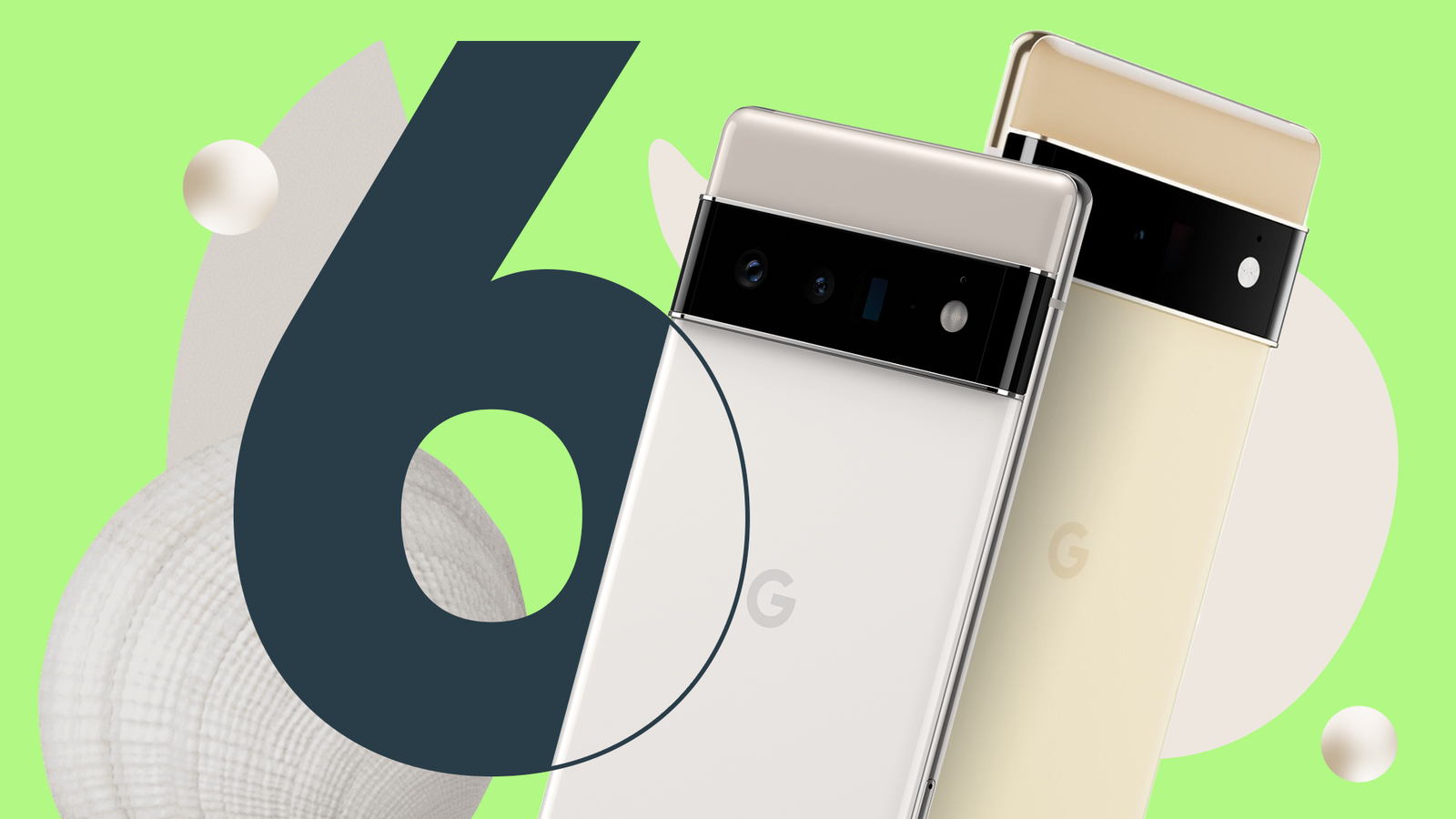
Published Aug 9, 2026, 8:30 AM EDT Dhruv Bhutani has covered the Android ecosystem since 2010, with a focus on smartphones, connected devices, and home networking. His reporting is informed by hands-on experience reviewing hundreds of smartphones and testing a wide range of smart home and audio products over more than a decade. He has attended Mobile World Congress eight times since 2011 and IFA Berlin five times, alongside regular coverage of launch events and industry briefings from companies including Google, Xiaomi, Oppo, and Qualcomm. This on-ground access and long-term exposure to product cycles inform how he evaluates hardware, software direction, and ecosystem shifts. First-Hand Experience Reviewed and tested hundreds of smartphones since 2009 Tested smart home, audio, and connected devices across multiple categories Attended Mobile World Congress (8 times, first in 2011) Attended IFA Berlin (5 times) Covered industry events including Qualcomm Summit and launch events from Google, Xiaomi, Oppo, and Vivo Career History CNET — Freelance Editor May 2024 – Present Android Police — Freelance Editor July 2023 – Present Android Authority — Contributor November 2022 – Present Android Authority — Editor January 2019 – October 2022 FoneArena — Editor February 2010 – January 2018 PhoneReport.info — International Correspondent February 2010 – May 2011 Nokia Mobile Talk — Writer June 2009 – October 2009 I've used every Google Pixel phone, but a few have truly stood out for me over the years. The Pixel 6 Pro is one of those. The first to debut the iconic visor-style look, the Pixel 6 Pro is finally reaching the end of its software support. And that makes me sad. I don't really use the phone as a daily driver, and it certainly wasn't my favorite because of its speed or camera chops. The Pixel 6 Pro stood out to me because it was the first time around that Google was truly focused on making great phones. It changed what a Pixel phone was supposed to be, and five years later, everything we love about Pixel phones can be traced back to this device. Google found its smartphone identity with the Pixel 6 Pro The Tensor chip was the foundation I might be in the minority, but I believe that before the Pixel 6 Pro came out, Google was going through its weird teenage years phase. Between the Pixel 4, which couldn't be sold in several territories, and the Pixel 5 and its bioresin-based body, Google spent a lot of time experimenting to see what sticks. When the Pixel 6 Pro debuted, you could see that Google had finally figured out what it wanted the series to represent. For one, it introduced a distinctive new design that gave the Pixel lineup its own unique identity. The visor design continues to exist, showing the level of foresight Google had. More than that, though, it was the first Pixel phone to be powered by Google's in-house Tensor chip. That chip and the phone around it shaped Google's entire software over raw performance philosophy. Love it or hate it, it's helped Google gain inroads into the hypercompetitive Android smartphone space. It felt like a gamble in the moment and got a fair amount of criticism, but Google stuck to its guns and used the chipset's unique features to craft a user experience that's truly unique. Even today, the Tensor chip isn't aimed at winning benchmarks. Instead, it powers features we've come to take for granted on Pixel phones. Think of things like the Recorder app that lets you transcribe audio on-device and scrub through it at lightning speed. Or Live Translate that uses on-device machine learning to help you while traveling. Even features like Call Screen, filters, and Voice Typing make use of the on-device TPU to varying degrees. The Pixel 6 Pro's Tensor chip wasn't the first to enable this, but it shaped the industry's direction and pushed manufacturers to start looking beyond specs. There's a case to be made that it was the Pixel 6 Pro that took the first step towards putting practical software and reducing everyday frictions over raw specifications. In 2026, that's an approach that most smartphone manufacturers take, but that wasn't the case when the Pixel 6 Pro launched. The Pixel 6 Pro gave Google a roadmap to build towards And Google committed to the vision The Pixel 6 Pro wasn't Google's best phone. For me, that would be the panda Pixel 2 XL, but I'm biased. What the Pixel 6 Pro did was give Google a solid foundation to build on. For the first few years of the lineup, the Pixel series was just good, not great. It didn't really beat the competition at anything. Every device felt isolated, with each generation trying out something new. Be it radar-based gestures or squeeze-based controls, the Pixel 6 Pro changed all that. Google still experiments. The thermometer and upcoming notification LED comeback are proof of that, but the Pixel 6 Pro clarified Google's positioning as a software-first smartphone company, and it deserves credit for that. I'd go a step further and say that features like Magic Eraser, Best Take, Pixel Studio, and the company's growing suite of AI-powered features exist because Google committed to the vision. Part of that vision was longer software support, and we've seen Google match that vision in practice. Today's Pixel hardware gets a full seven years of support compared to the five years promised for the Pixel 6 Pro. It shows how much trust and confidence Google has in the platform it started building with the Pixel 6 Pro. When I look back at the Pixel 6 Pro, these are the things that stand out to me. It was the phone that proved to buyers that Google had a long-term plan. Every Pixel I've used since then, and I've used all of them, has felt like a distillation of the same idea rather than an experiment. The Pixel 6 Pro defined the modern arc of the Google Pixel The Pixel 6 Pro reaching the end of its software support doesn't quite make it obsolete. If you're still using the phone, it'll continue to work as normal. For everyday tasks like calling and texting, it's perfectly functional. It just represents the end of an era. For me, the Pixel 6 Pro marked the moment Google stopped experimenting and started building a cohesive smartphone brand. Call it looking back with rose-tinted glasses, the Pixel 6 Pro had its issues at launch, but it's the phone that convinced me to stick with the brand in the long run. Today, despite its follies, the Pixel lineup continues to be my favorite Android phone every year, and the Pixel 6 Pro is where it all started. SoC Google Tensor RAM 12GB Storage 128, 256, 512GB Battery 5,003mAh Ports USB-C Operating System Android 14 The Pixel 6 Pro is Google's 2021 flagship, and while it had a rough start to its life, with monthly software updates, it's proven to be one of the best and most reliable Android phones you can buy in 2022.
The Pixel 6 Pro is losing software support; it's the end of an era for Google
Full Article
Original Source
Read the full article at Androidpolice →KhanList aggregates and links to publicly available news content. We do not host full articles from third-party sources. Always verify important information with original sources.