
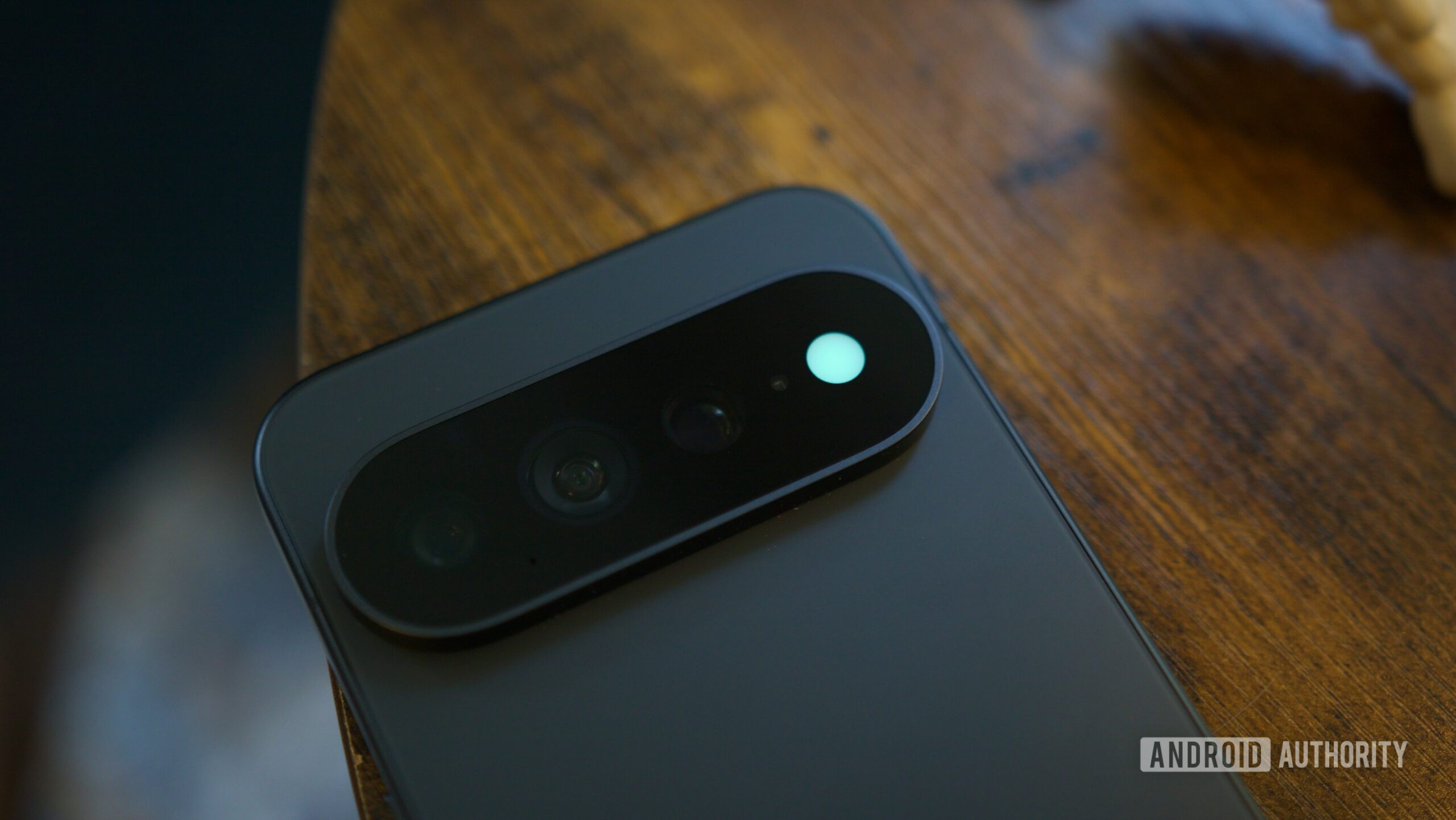
Joe Maring / Android AuthorityAdd Android Authority on Google: TL;DR GrapheneOS found MTE hardware support in the Pixel 11 after earlier concerns. The discovery could keep GrapheneOS support alive for Google’s latest phones. Developers are testing MTE performance before deciding whether support for Pixel 11 is viable. GrapheneOS appeared ready to walk away from the Pixel 11 series just a few days ago. The privacy-focused Android project even warned against buying the phones after discovering they lacked hardware support for Memory Tagging Extension (MTE), a key security feature. But that warning may have been premature: GrapheneOS developers have now found that Pixel 11 phones do have MTE hardware support, giving the project a potential path toward supporting Google’s latest flagships.GrapheneOS shared the news on X, and they made this discovery after Google released Android 17 QPR2 Beta 4, the first beta version to support the Pixel 11 series. Developers examining the new firmware found references indicating the phones have the necessary MTE capability, despite earlier software suggesting otherwise.That’s potentially good news for Pixel 11 owners interested in running GrapheneOS. MTE adds another layer of protection against memory-related flaws by using hardware tags to identify when software accesses memory incorrectly. Bugs such as buffer overflows and use-after-free vulnerabilities can otherwise provide attackers with opportunities to compromise devices.GrapheneOS had previously warned that the apparent absence of MTE could make the Pixel 11 incompatible with its security standards. Still, the latest finding doesn’t guarantee support. GrapheneOS describes the Pixel 11’s MTE capability as only “bare minimum” and is still investigating whether the implementation is good enough for its needs.The project developers also believe Google may have compromised MTE performance by removing much of its CPU-cache acceleration, potentially as a cost-saving measure. If so, switching the protection back on could impose a noticeable performance hit. That may help explain why Google left MTE turned off despite the underlying hardware supporting it.GrapheneOS is now experimenting with ways to activate the capability despite the firmware configuration. One approach involves changing how memory is allocated at boot and using a kernel altered to disregard the software-level restriction. The developers are testing whether this can reliably activate MTE and what performance trade-offs it introduces.For now, the Pixel 11 has moved from a likely GrapheneOS dead end to an open question. The project still needs to validate the hardware and performance, but the latest firmware gives it enough reason to continue investigating.Thank you for being part of our community. Read our Comment Policy before posting.
The Pixel 11 may not be a lost cause for GrapheneOS after all
Full Article
Original Source
Read the full article at Androidauthority →KhanList aggregates and links to publicly available news content. We do not host full articles from third-party sources. Always verify important information with original sources.