
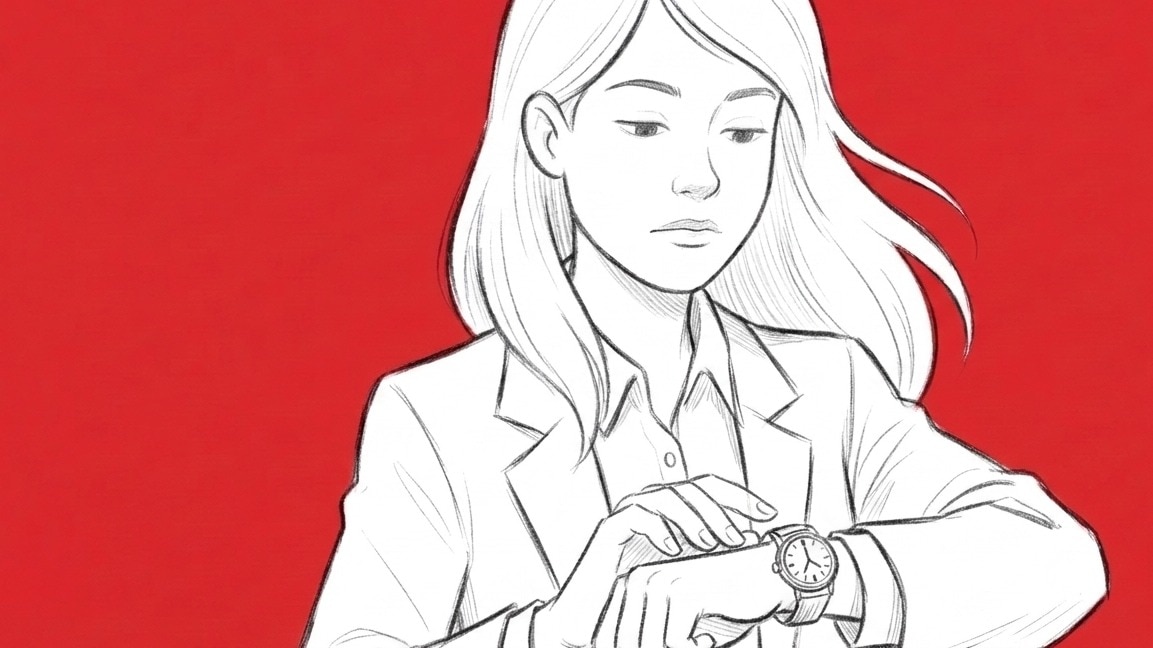
The office day may end, but household responsibilities don't. From cooking and cleaning to caregiving, this story explores the invisible second shift working professionals manage every day, often at the cost of their personal time and rest. Meet the after-work workforce: Employees juggling jobs and household chores (AI-generated image)New Delhi,Nov 3, 2026 07:30 ISTThe laptop is shut, the commute is over, and the office day is finally behind you. But getting home does not necessarily mean getting to rest. There is dinner to prepare, clothes to wash, groceries to buy, bills to pay, and a house to clean. For those living with families, there may also be children to look after or elderly parents to care for.For professionals living alone, even the simplest household responsibilities have to be managed without anyone sharing the load. And for working couples, deciding who takes care of what can become another daily negotiation.This is the invisible second shift: the unpaid work that begins when the paid working day ends.A WORKING DAY DOESN'T END AT THE OFFICEHousehold responsibilities may not look the same for everyone, but they rarely disappear when the office day ends. Whether living alone, with a partner or with family, working professionals have to find time for cooking, cleaning, caregiving and the everyday tasks that keep a home running. India's Time Use Survey 2024, released by the Ministry of Statistics and Programme Implementation, found that women spent an average of 289 minutes a day on unpaid domestic services, compared with 88 minutes for men. Women also spent 137 minutes on unpaid caregiving, against 75 minutes for men.The findings highlight the gender gap in unpaid work. But they also point to how much time households collectively spend on activities that rarely receive recognition as work. For someone living alone, cooking, cleaning, laundry, and other everyday responsibilities have to fit around office hours, commuting, and personal commitments. There is no automatic handover when the workday ends.WHEN THE SECOND SHIFT AFFECTS CAREERSThe burden of unpaid work can also influence professional choices, particularly for women with caregiving responsibilities.An Indeed India survey published in May 2026 found that 83% of women surveyed had skipped job applications because they felt the roles would be difficult to manage alongside caregiving responsibilities.Research published in The British Journal of Social Work in July 2024, using India's 2019 Time Use Survey, also found that an additional hour of unpaid care work was associated with 38% lower odds of employment among women.These findings show how responsibilities outside the workplace can influence opportunities within it.WHO TAKES CARE OF THE PERSON DOING THE JOB?The conversation about work-life balance often focuses on flexible hours, fewer meetings and shorter commutes. But it also needs to consider what happens after employees log out.Access to affordable domestic help, childcare and eldercare, flexible working arrangements and a more equitable sharing of household responsibilities can make a difference.Ultimately, the second shift looks different for different people. But the underlying problem is familiar: after spending hours earning a living, employees still have to find the time and energy to maintain one.- Ends
The office day ends at 7 pm. The second shift doesn't
Full Article
Original Source
Read the full article at Indiatoday →KhanList aggregates and links to publicly available news content. We do not host full articles from third-party sources. Always verify important information with original sources.