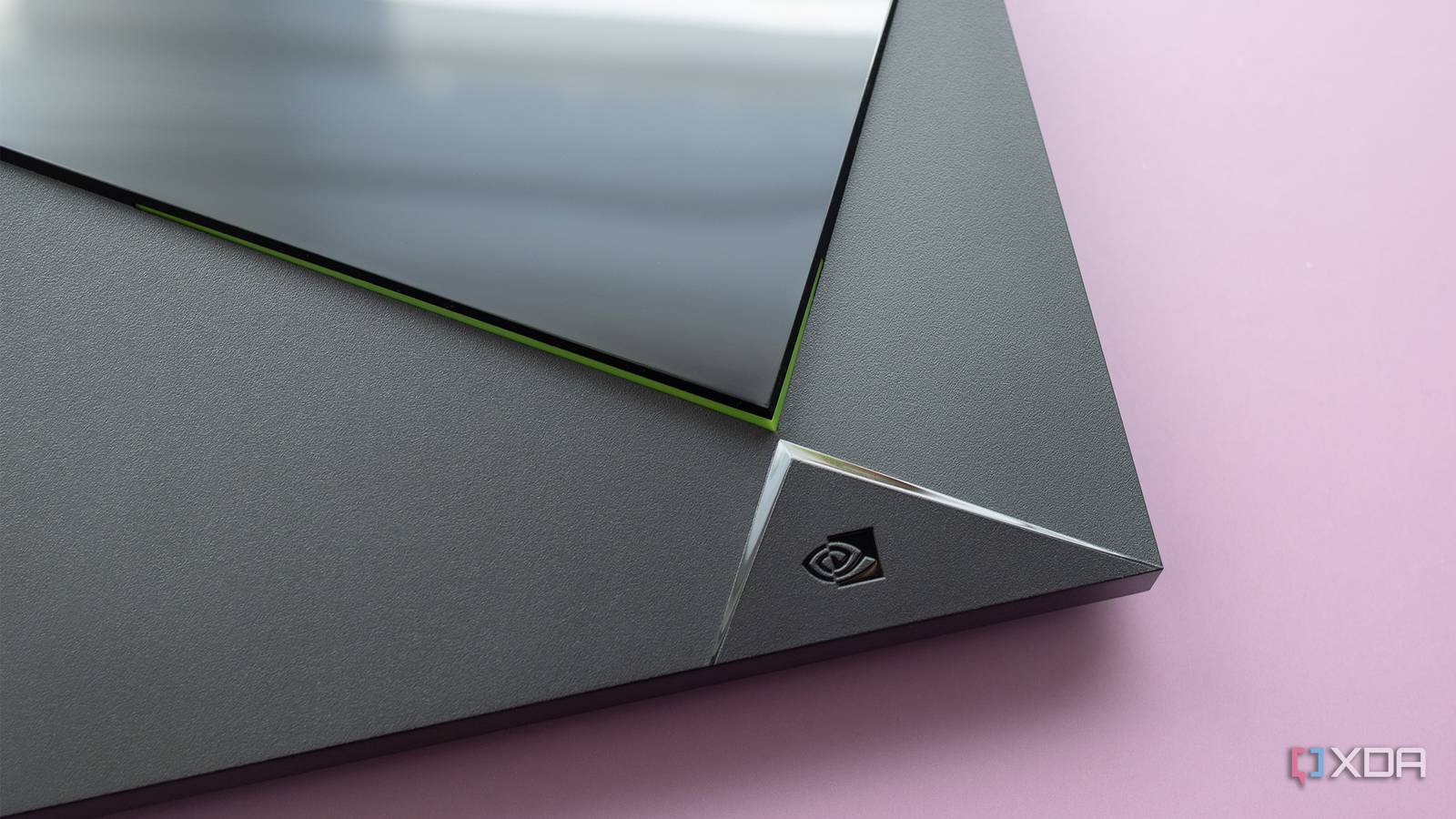
Published Jul 16, 2026, 3:00 PM EDT Anurag is an experienced journalist and author who’s been covering tech for the past 5 years, with a focus on Windows, Android, and Apple. He’s written for sites like Android Police, Neowin, Dexerto, and MakeTechEasier. Anurag’s always pumped about tech and loves getting his hands on the latest gadgets. When he's not procrastinating, you’ll probably find him catching the newest movies in theaters or scrolling through Twitter from his bed. The Nvidia Shield TV Pro is closing in on seven years since its 2019 launch, which should make it an easy device to ignore when there are newer streaming boxes with fresher processors, better wireless standards, and years of software support ahead of them. Somehow, the opposite has happened: every time I look closely at the current streaming-device market, I find another reason to wonder why so many newer products still ship with compromises that Nvidia avoided years ago. One of the best examples sits quietly on the back of the Shield TV Pro. Alongside its HDMI connection and two full-sized USB 3.0 ports, Nvidia included a proper Gigabit Ethernet port capable of 10/100/1000Mbps networking, and that remains surprisingly useful once your streaming setup grows beyond the usual mix of Netflix, Prime Video, and YouTube. Gigabit Ethernet is more useful than you think Once you start using more than just Netflix I have spent enough time building my own home media setup around a NAS to know that network speed becomes far more interesting once large local files enter the picture. A normal Netflix or Prime Video stream is unlikely to expose the limits of a 100Mbps Ethernet connection, and I would never suggest buying the Shield TV Pro because ordinary subscription streaming suddenly requires a Gigabit link. Things change when Plex or Jellyfin is pulling a large 4K remux from another machine on the local network, especially when the file is being direct-played at its original quality. That's where the difference between Ethernet and Gigabit Ethernet becomes apparent. A 100Mbps port sets a ceiling of 100Mbps for the entire connection before overhead enters the equation, leaving very little breathing room for heavy files or short bitrate spikes. The Shield’s Gigabit interface gives the local network far more headroom without asking me to depend on wireless conditions around the television. You’d understand the importance of this port if you run a Plex server, use a NAS, or maintain a large UHD library. Some 4K remuxes can easily exceed 100Mbps, while brief bitrate spikes can overwhelm slower ports. A Gigabit Ethernet port is a rare sight Only a few devices have it Credit: Credit: Nvidia Gigabit Ethernet remains surprisingly rare across mainstream streaming devices. There are only a few alternatives that get it right apart from the Shield. Apple includes Gigabit Ethernet only on the 128GB Wi-Fi version of the Apple TV 4K, while the Google TV Streamer has a proper 1Gbps RJ45 connection. Both are relatively premium streaming boxes, though, and the list quickly shrinks once you look beyond them. The third-generation Fire TV Cube, which is Amazon’s flagship streaming device, has a built-in Ethernet connection that still tops out at 10/100 Mbps. The Roku Ultra, another premium box positioned above the company’s cheaper streamers, also ships with 10/100 Base-T Ethernet rather than Gigabit. They are full-sized streaming boxes aimed at people willing to pay more for better hardware, yet their wired networking still puts a ceiling on performance the Shield TV Pro avoided back in 2019. It gets worse when you look beyond these popular options. I understand why manufacturers make these decisions. Commercial streaming services rarely require anything close to Gigabit throughput, and most buyers will never check the speed of an Ethernet controller before purchasing a streaming device. But that logic leaves power users in an absurd position. Nvidia Shield is yet to see a competitor It’s the GOAT I have said this often, but the Nvidia Shield TV Pro is one of the greatest pieces of consumer hardware ever made hardware. That is not just because it has a Gigabit Ethernet port or two USB 3.0 Type-A ports. Nvidia built the streamer for people who were likely to push a streaming box far beyond opening Netflix every evening. The Shield TV Pro comes with a Tegra X1+ processor and a 256-core Nvidia GPU, two full-sized USB 3.0 Type-A ports, expandable storage support, AI-enhanced upscaling, and the ability to run Plex Media Server directly on the device. Nvidia packed enough capability into the product that home-theater enthusiasts are still debating in 2026 whether they should buy one and whether any modern alternative can fully replace it. Before people start telling me how good Apple TV 4K is, I should make it clear that I am limiting this argument to the Android TV ecosystem. Nvidia has not released a major hardware refresh in years, yet the Shield TV Pro continues to outperform most Android TV hardware you can buy today. Whether you compare it with Xiaomi TV boxes, Fire TV devices, or the generic Android TV boxes flooding online marketplaces, the Shield remains the best option. The Shield TV Pro also remains one of the few Android TV devices capable of proper pass-through for lossless audio formats, such as Dolby TrueHD, DTS-HD Master Audio, and DTS:X. Most streaming boxes are built primarily around commercial streaming services and compressed audio, while the Shield is equally comfortable in a setup built around Blu-ray rips, Plex libraries, a NAS, and a dedicated AV receiver.
The Nvidia Shield TV Pro is one of the few streaming devices with this useful port
Full Article
Original Source
Read the full article at Xda-developers →KhanList aggregates and links to publicly available news content. We do not host full articles from third-party sources. Always verify important information with original sources.