
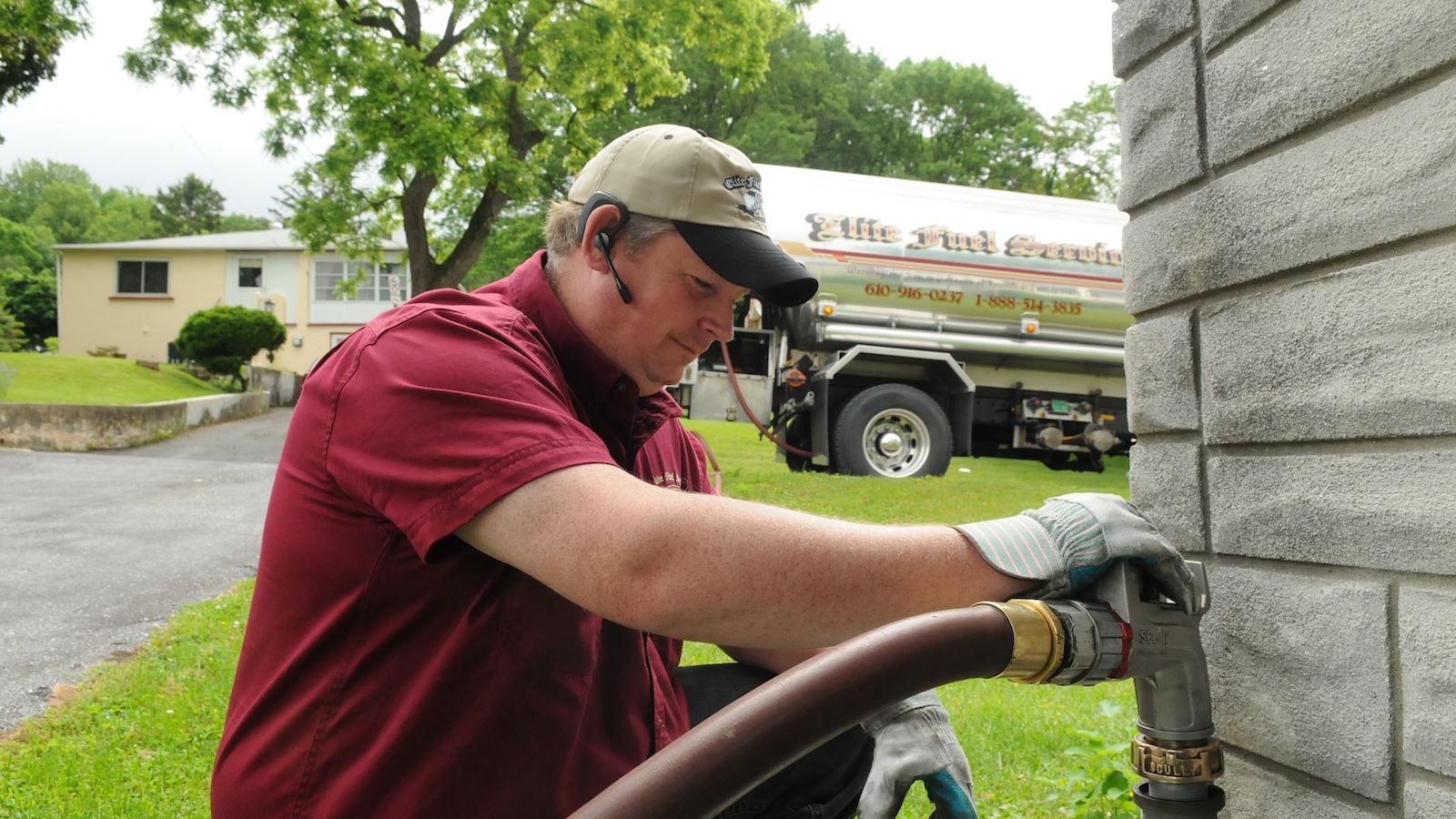
There are many markers of fall: vibrant foliage, apple picking and pumpkin-spiced everything, to name a few. Cranking up the heat is another. With record-setting energy prices, everyone is bracing for higher bills. For the more than four million households that rely on heating oil, this winter could be particularly devastating. The war with Iran has pushed the cost of heating oil, which is essentially diesel, higher than it ever has been. It is hovering around $6 a gallon across much of the Northeast, where about 82 percent of homes that burn the fuel are located. That’s compared to the mid-$3 range in February. The National Energy Assistance Directors Association, or NEADA, projects that the cost of warming a home with that fossil fuel will go up 50 percent across those states. That amounts to $878 per household, or some $3.8 billion overall. “The volatility of this product right before winter is scary,” said Mark Wolfe, executive director of the organization, which had projected a lower increase just weeks earlier. “This is part of the cost of the war.” The stalemate in the Mideast has curtailed ship traffic in the Strait of Hormuz, through which roughly a tenth of the world’s water-borne diesel once flowed. Ukrainian strikes on Russian oil refineries, another major source of diesel, have further curbed the global supply. That has sent prices up, with colder states expected to see heating oil hikes well above the NEADA average. Vermont and Maine, for example, face the prospect of a 76 percent jump. These increases threaten to overwhelm the Low Income Home Energy Assistance Program, a federal safety net for those who cannot afford to heat or cool their homes. With existing aid buying far less fuel than it did before the war, Republicans and Democrats alike are pressing the Trump administration to release assistance quickly while Congress weighs whether to put billions more into the program. The situation is so dire that the governor of Massachusetts declared a state of emergency on Monday. For people with oil furnaces, there are few easy alternatives. They could turn to space heaters because electricity rates haven’t climbed as fast as heating oil, but the devices are inefficient and could lead to higher bills. Burning wood is another option for those with a fireplace or stove. Although natural gas prices have remained relatively low, installing a new furnace is costly and it could take years for any savings in energy costs to recoup the investment. Another route is to invest in weatherizing a home by adding insulation or sealing windows, for example, which can help lower bills and many states have funding available to help with energy-saving projects. The EI Niño weather pattern could bring a relatively warm winter to the Northeast, which would help ease the burden of higher prices. Still, as winter approaches, people who rely on it are concerned. “I just had my boiler cleaned/serviced for the coming season and honestly I’m terrified of the oil bill,” one person noted on Reddit. Others are weighing whether to pre-buy fuel to lock in current prices, though some are finding that dealers aren’t offering that option given the uncertainty. An especially dejected person simply said, “I have no plan and I’m all out of ideas.” Read Next Wolfe is especially worried about the more than 1 million low-income households that rely upon heating oil. Those families may end up having to choose between filling the tank and buying necessities like food and medication. “This could be a public health crisis,” he said. “The problem is that the administration has said nothing.” President Donald Trump has repeatedly targeted the Low Income Home Energy Assistance Program, or LIHEAP, for elimination. It has survived so far, though the administration did temporarily hold back payments last spring. Some lawmakers worry fall funds could move slowly, too. “A quick release of funding will ensure no gaps in assistance,” a bi-partisan group of 31 senators wrote in a letter last month to Secretary of Health and Human Services Robert F. Kennedy Jr. The program currently has roughly $4 billion, and the agency has until November 1 to release at least 90 percent of that money to states, with the rest coming in the spring. But the legislators want the payments to reach people as soon as possible. “Given the extraordinary pressure consumers will face this winter,” they wrote, “we ask that you make this distribution well before the deadline.” The White House referred a request for comment to the Department of Health and Human Services, which told Grist that it will meet the deadline. “HHS has staff and capacity to distribute these funds in a timely manner,” the agency wrote in an email. Even if that money arrives quickly, it won’t go as far with fuel prices this high. Increasing the program’s funding would require congressional approval — a step legislators have taken in the past, including during President Trump’s first term. A House bill introduced last week would add $1 billion to the LIHEAP budget, though any action on the legislation won’t happen before midterms. Without more of a buffer, families may not have enough heating oil to last the winter. “People’s benefit would have less purchasing power,” Miranda Gray, the deputy commissioner at the Vermont Department for Children and Families, told Grist. Her agency distributes the state’s LIHEAP distribution. If assistance were to run out, she said people might have to turn to other options, like community nonprofits. On Monday, Massachusetts Governor Maura Healey declared a state of emergency to prepare for a rough winter ahead. Her executive order boosts assistance to 156,000 low-income households and expands access to 50,000 middle-class families. It also activates legal protections against price gouging, the state said in its press release. Healey also called on Congress to pass an additional $3 billion in funding for LIHEAP. For now, both officials and consumers are hoping for the best. “I try to have an optimistic attitude that things could change,” Gray told state legislators at a hearing last month. One Reddit user put it more bluntly: “I feel like I’m playing chicken with fuel prices and the impending cold weather.”
The Northeast’s reliance on heating oil is turning into a crisis
Full Article
Original Source
Read the full article at Grist →KhanList aggregates and links to publicly available news content. We do not host full articles from third-party sources. Always verify important information with original sources.