
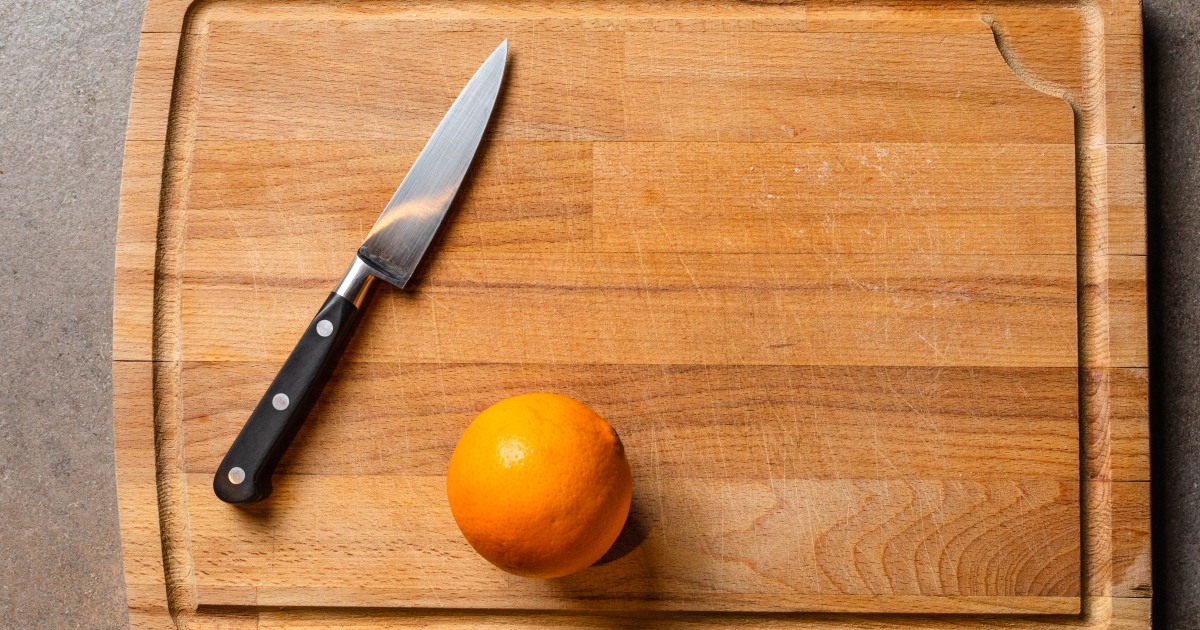
Cutting boards are kitchen staples that come into contact with many of the foods we cook and eat. They serve as a crucial barrier between countertops and sharp knives, and provide a clean, sturdy surface to prepare foods. These days, you can find a wide array of cutting boards made from different materials. These include hardwood, plastic, silicone or stainless steel. Most chefs have strong opinions about the best type of cutting board. But what about the health effects? Does the material make a difference for your health, and is one safest to use?Maybe you’re wondering whether certain cutting boards harbor more bacteria, or you’re concerned about microplastics.We asked experts which type of cutting board is best from a health and food safety standpoint, and here’s what they had to say.What Is the Healthiest Cutting Board To Use?Many experts prefer using hardwood or plastic cutting boards, which are both healthy and safe for everyday use, according to the U.S. Department of Agriculture. “I’d say pick whatever one you have a preference for. There is no one ‘healthier’ one. Each of them has trade offs,” Ben Chapman, Ph.D., head of the Department of Agricultural and Human Sciences at North Carolina State University, tells TODAY.com.Traditionally, cutting boards were made from wood. At some point around the 1950s, people began switching to plastic.“A lot of people were concerned about the ability to clean and sanitize wood cutting boards,” says Chapman. Plastic was thought to be more sanitary because wood is porous and harder to clean.In a landmark 1994 study, researchers at the University of California, Davis tested this theory by applying pathogens to different types of cutting boards and measuring what was left after cleaning them. Surprisingly, they found that plastic wasn’t more hygienic— in fact, less bacteria survived on the surface of wood cutting boards. That’s because the fibers of the wood absorb water along with any bacteria, which gets trapped beneath the surface of the board and killed off as the wood dries, Chapman explains.However, all cutting boards have drawbacks, and some experts argue that the material is less about your health than it is about your cutting board habits.“It really depends on how you’re using it, how you’re cleaning it,” Wade Syers, a food safety specialist with Michigan State University Extension, tells TODAY.com.Here are the pros and cons of each cutting board material:WoodWood cutting boards are a top choice among food safety experts.There are different types of wood cutting boards, including solid hardwood, like maple and walnut and bamboo. “There’s no difference from a safety standpoint,” says Chapman. Wood is more flexible than plastic because the fibers bend and give under the pressure of a knife, the experts note. The harder the wood, the more resistant it is to deep scratches and scarring.The main downside of wood cutting boards is that they’re more difficult to clean and sanitize, the experts say. “And drying them well really, really matters,” says Chapman.Wood cutting boards are not dishwasher-safe because the high temperatures can damage the wood. The best way to clean them is by hand-washing the boards with hot water and soap and letting the wood air-dry completely, the experts note.It’s also important to sanitize the wood, says Syers, which will kill any lingering pathogens.The USDA recommends using a diluted bleach solution made with one tablespoon of chlorine bleach per gallon of water. Pour this onto the wood board and wait several minutes before rinsing it off, then allow it to dry.“Anything that’s left on the outside you haven’t killed is going to get sucked inside the wood (as it dries),” says Chapman.Wood cutting boards do require some upkeep. You can refresh the wood by sanding down rough, scratched layers and treating the wood with mineral oil, says Chapman.PlasticPlastic cutting boards are also a popular choice among experts. These are typically made from polypropylene or polyethylene, which are lightweight and non-porous.“From a cleaning standpoint, plastic is easier,” says Syers. Chapman prefers using plastic cutting boards for raw meat and poultry, because they can go straight in the dishwasher. The washing cycle will clean the board thoroughly. “The heat generated through the sanitizing cycle is certainly enough to kill any pathogen that might be there,” says Chapman.The main issue with plastic is the way it gets worn down by knives. Unlike wood, plastic is less flexible and develops very deep grooves and scratches, says Chapman. “It’s a place to hold food debris, as well as bacteria, and yeast and mold that could survive the sanitizing process in the dishwasher because mold spores are heat-tolerant,” Chapman adds.Another concern is that plastic boards can release microplastics into food. However, both experts agree that the research on the health effects of ingesting microplastics is still emerging, and more human studies are needed. “I don’t think we have enough science right now to know what the impacts are,” says Chapman. If you’re concerned about microplastics, you can use another cutting board material instead. “It’s based on how you weigh those pros and cons,” says Syers. SiliconeSilicone is a non-toxic, plastic-free alternative to rigid plastic cutting boards. These boards or mats are non-porous, so they won’t absorb moisture or pathogens. Silicone can withstand high temperatures, so it can be cleaned in the dishwasher.The material is much more flexible and soft than regular plastic boards. However, that also makes it prone to damage from knives. Cuts, tears and scratches in the silicone can also harbor food debris and bacteria or mold, says Chapman.These may need to be replaced more frequently, and aren’t ideal for heavy-duty chopping.Metal, Glass or MarbleYou can also find solid, non-porous cutting boards made from glass, stainless steel, marble or stone. These are very easy to clean and sanitize, says Syers, but have several downsides. First, they’re heavy and harder to use because of their slick, slippery surface — this can increase the risk of knife accidents. Materials like glass or marble may break or chip more easily.“They’re also really, really hard on knives,” says Syers. Over time, these can dull blades and make them less functional. These generally aren’t recommended for everyday food prep, the experts note.Which Cutting Board Is Safest for Raw Meats?Wood and plastic cutting boards are both safe to use to cut raw meat and poultry, per the USDA. Raw meats carry a higher risk of spreading food-borne pathogens, including salmonella and E. coli. That’s why any cutting board that comes into contact with raw meat needs to be cleaned and sanitized, especially before it’s used to cut food that won’t get cooked, like fresh produce. “I think the biggest food safety concern with regard to cutting boards is the chance to cross-contaminate food,” says Syers.Many experts prefer to use plastic cutting boards for raw meats — not because the plastic is safer, says Chapman, but because it’s easier to sanitize in the dishwasher.However, wood may have natural antimicrobial properties and is a good option for raw meats as long as you clean and sanitize it properly between uses.Syers prefers to use two designated cutting boards for different purposes: plastic for raw meats and a wooden board for produce, bread and everything else. “It just adds one more layer of food safety to help avoid that cross-contamination,” says Syers.When To Replace Cutting BoardsBetween all the chopping, dicing and mincing, cutting boards will get worn out over time and need to be replaced.Wood cutting boards can last for decades if you care for them properly, the experts note. However, if the wood develops deep cracks, splinters or has signs of mold growth, it’s time to toss it out.Plastic boards have a shorter lifespan, usually around one to three years if you use them regularly, the experts note. Once the plastic develops deep grooves or scratches and has discoloration after cleaning, it’s time to replace the board, says Chapman.“We don’t want those pathogens to have any place to hide when we’re cleaning the boards,” Syers adds.
The No. 1 Consideration When Picking the Healthiest Cutting Board Material, According to Experts
Full Article
Original Source
Read the full article at Today →KhanList aggregates and links to publicly available news content. We do not host full articles from third-party sources. Always verify important information with original sources.