
Christmas with the grandchildren might ostensibly be a time of magic and merriment – but between present-buying politics, competing family traditions and the delicate business of dividing up Christmas Day, it can also be a minefield. From knowing when to spoil the little ones to when to bite your tongue, experts share the dos and don’ts of being a grandparent this festive season – and why now is the time to have those potentially tricky conversations, rather than waiting until the turkey is on the table… Time together Agree the plans early “Ask rather than assume the plans. Most festive friction comes from assumptions, not ill-will. Ask parents what they are planning: who is where on which day, what the budget is for presents and what they would like help with. Then be gracious about the answer, even if it isn’t what you hoped. A short, friendly conversation early on prevents last-minute tension and tells parents you are a flexible, supportive presence. Knowing the plan also lets you look forward to your own time with the grandchildren, rather than worrying about it.” Dr Jemma Anderson, chartered educational psychologist and founder of Perceptive Educational Psychology Service Don’t feel entitled to your family’s time “Wanting to see your grandchildren on Christmas Day is understandable. But there is a difference between hoping for an invitation and assuming you are owed a particular number of hours. Parents may be balancing work, exhaustion, travel, two sets of grandparents and the children’s wish to stay home in their pyjamas. Ask what works, and try not to treat an alternative date as a rejection: a relaxed Boxing Day lunch can be far more enjoyable than an over-scheduled Christmas Day.” Joanne Jackson, family therapist at The SokeDon’t feel entitled to your family’s time (Photo: Noko LTD/Getty/E+) Step out of the host role “It is helpful not to assume that you should host Christmas just because you might have done so in the past. That can add more stress both to your children and yourselves, especially if there are young children who would be better off staying in their own home rather than travelling. Allow your children and their partners to set the schedule, rules and traditions for their own household. Stepping out of the host role eases unspoken power struggles. Be flexible and embrace change. You never know, it might just be magical.” Zoe Green, therapist and Counselling Directory member Let traditions evolve “Traditions give children a reassuring sense of continuity and belonging, but they should create connection rather than obligation. As children grow, their interests change, and a ritual that was one treasured may feel less appealing, especially to teenagers developing their own identities. Rather than insisting that everyone follow the same routines each year, invite grandchildren to help shape it. Ask what they love and what they’d like to do differently. What matters is preserving the emotional meaning of a tradition, not necessarily every detail of how it has always been done.” Dr Jemma Anderson Give children space “Christmas gatherings come with a lot of expectations: hugs for relatives, photographs, sitting nicely, saying thank you and entertaining the adults. Even when well intentioned, this can overwhelm children. Grandparents can make a real difference by letting children warm up in their own time, respecting personal space and never insisting on physical affection. If a child doesn’t want a hug or kiss, offer a high five or a wave instead. A child who can say no and still be welcomed learns that relationships can be loving without being conditional.” Dr Jemma Anderson Let the children come to you for a hug when they’re ready (Photo: svetikd/Getty/ E+) Gifts and spending Discuss presents before you start shopping “Grandparents naturally want to spoil their grandchildren at Christmas, but what feels like generosity to one person may feel excessive to another. Parents may be trying to limit spending, avoid unnecessary toys or teach children about the value of money. Meanwhile, grandparents may remember Christmases when presents were relatively modest and want to give their grandchildren things they never had themselves. Neither approach is necessarily wrong, so the best advice is to have a conversation before shopping, especially about expensive presents. Ask parents what’s appropriate, what the children actually want and if there are any presents they’d prefer you to avoid.” Alastair Greener, generational communication expert, speaker and author of Generationally Speaking Don’t overspend “You should aim for your message to be ‘I know you’, not ‘Look how much I spent’. Children are remarkably good at picking up on the emotional meaning adults attach to gifts and there is no magic figure for how much a grandparent should spend. What matters is that the gift feels thoughtful, fits the family’s values and doesn’t create obligations. A grandparent who can afford an expensive present doesn’t need to prove their love through the price tag; equally, a grandparent on a tighter budget shouldn’t feel embarrassed.” Joanne Jackson Be mindful about gift repercussion “Before buying a smartphone, games console, pet, noisy drum kit or enormous playhouse, check with the people who will be living with it. The same applies to presents involving online access, subscriptions or ongoing costs. What looks generous from a grandparent’s perspective can create months of arguments, expense or unwanted responsibility at home. Parents may also have sensible reasons for waiting until a child is older. Asking permission doesn’t make a present less special; it shows respect for the family’s decisions.” Joanne Jackson Be considerate when buying gifts (Photo: Cultura Creative/Getty/Tetra images RF) Don’t turn Christmas into a contest between grandparents “In families where there is more than one set of grandparents, there can sometimes be an unspoken competition about who buys the biggest presents, hosts the best Christmas or gets the most time with the grandchildren. This can become particularly complicated in blended families. Try not to measure your importance by how much you spend or how many hours you see the children. You might even consider speaking to the other grandparents about presents to avoid duplication or unnecessary competition. Children benefit from having positive relationships with all their grandparents. After all, affection isn’t something that needs to be competed for.” Alastair Greener Remember that fairness doesn’t always mean identical “Grandparents often worry about treating grandchildren equally, especially across different households, ages and family set-ups. But fairness doesn’t mean identical presents or spending. A six-year-old and a teenager have very different interest and needs. What matters is avoiding obvious favouritism and making sure that every child feels thought about. Be mindful of comparisons between siblings and cousins. Children notice far more than we think, and feeling less valued can hurt more than any difference in price.” Dr Jemma Anderson Don’t be too disappointed about reactions “Children often can feel overwhelmed and overstimulated in the chaos of the Christmas season, so don’t be surprised if your present doesn’t get the immediate reaction you had hoped for. I remember being given a massive joke book once and feeling so disappointed – yet it turned out to be one of my favourite presents that year and never stopped making me smile. As things calm down, you will find that children will start to explore their presents in a new way.” Rachel Matthews, therapist and Counselling Directory member Parent’s rules and children’s behaviour Check before relaxing rules “Parents are often more relaxed about rules over the festive period, but they may still have some hard lines, so check what’s acceptable. Some parents won’t want teenagers drinking at the dinner table, so offering a 16-year-old a beer isn’t appropriate. Others worry about how much TV their child watches, because children get overexcited or cranky when it is switched off. Some keep an eye on sugar, because it affects a child’s mood, emotions and behaviour. Remember, you won’t be the one dealing with the fallout later in the day, the parents will. So ask them what hard lines they want respected, and where there is room for flexibility.” Dr Adam McCartney, educational psychologist Remember that it can be overwhelming for children “We tend to think of Christmas as a wonderful time for children, but it can be quite overwhelming, especially for younger ones. Their routines change, they are staying up later, eating different foods and spending time in busy environments with lots of people. If a grandchild becomes upset, quiet or irritable during a family gathering, it doesn’t necessarily mean they’re being naughty or ungrateful. They might simply have had enough. Grandparents can help by recognising when a child needs a break. Sometimes taking them into another room for a quiet activity or going for a short walk is much more helpful than encouraging them to join in with everything.” Dr Patricia Britto, educational psychologist Christmas can be overwhelming for little ones (Photo: Massimiliano Finzi/Getty/Moment RF) Don’t use Christmas to criticise parenting styles “Extended family gatherings can bring together people with very different views on discipline, food, screen time and how children should behave. It’s easy for grandparents to fall into the trap of saying: ‘We’d never have allowed that in our day.’ But today’s parents are bringing up children in a very different social environment, and what worked 30 or 40 years ago may not work today. That doesn’t mean grandparents’ experience isn’t valuable, but how and when advice is delivered matters. If something concerns you, have a quiet conversation with the parents rather than challenging them in front of everyone.” Alastair Greener Be careful with comments about children’s behaviour “Christmas gatherings can sometimes bring out comments from relatives that aren’t intended to be hurtful but can have quite an impact on children. Remarks about how much a child is eating, whether they have gained weight or why they aren’t behaving like their siblings can make them feel uncomfortable or self-conscious. Even comparisons that are meant as compliments can leave another child feeling inadequate. Christmas should be a time when children feel comfortable and accepted. Taking an interest in what they are enjoying, what they have been doing at school or what they are excited about is a much better way to connect with them.” Dr Patricia Britto Managing pressure Be helpful, not an extra person to manage “Grandparents can be invaluable at Christmas, but ‘helping’ works best when it meets a genuine need. Turning up early with extra dishes, reorganising the kitchen or insisting on doing everything your way can create more work for the host. Instead, ask a specific question: ‘Would it help if I took the children to the park while you finish lunch?’ or ‘Shall I bring pudding?’ Then accept the answer. If you are hosting, make it easy for parents to bring food, leave early or retreat with a tired child. The aim isn’t a flawless performance of family togetherness; it’s making everyone feel comfortable.” Joanne Jackson Help your children at this stressful time of year (Photo: DGLimages/Getty/iStockphoto/Graham Oliver) Remember it’s OK to say no to childcare “Grandparents can sometimes find themselves providing quite a lot of childcare over Christmas, particularly when parents have work commitments, parties or other plans. While many grandparents love having that extra time with their grandchildren, it shouldn’t automatically be expected. If you have already made plans, you are feeling tired or you simply want an evening to yourself, it is absolutely fine to say no. I’d encourage grandparents to be clear about what they can realistically manage rather than agreeing to everything and then feeling overwhelmed. It’s much better to have an honest conversation beforehand than to allow resentment to build. Grandparents have their own lives and commitments, and those deserve to be respected.” Dr Patricia Britto Have a plan for tensions and a way to repair them “Christmas magnifies whatever a family is already carrying: sibling rivalries, worries about money, old resentments or an unresolved separation. Alcohol, tiredness and too much time in one room can lower everyone’s tolerance. Grandparents can help by refusing to take sides, steering away from flashpoints and giving people permission to take a break. If you overstep, a simple ‘Sorry, I shouldn’t have said that’ is far more effective than defending your intentions for half an hour. The goal isn’t a Christmas without disagreements; it is a Christmas where disagreements don’t become children’s burden.” Joanne Jackson Offer empathy to step-parents “It can be very hard coming into a family as a step-parent, especially when there are firmly established Christmas traditions. Often they feel they have to overcompensate by being perfect rather than ‘good enough’. Offer private, low-pressure empathy such as: ‘You are doing a great job and we really appreciate it. Thank you for working hard to balance so many wants and needs.’ Such empathy will elicit real gratitude and help ease tensions on the day.” Zoe Green Be clear about what you need too “It is important to know your own needs and to share them. If you are used to living alone, a prolonged period of time with family could be too much, in which case you might consider to be clear about how long you intend to stay with family. Alternatively, perhaps you also need to take breaks, go for walks. Communicate this. You will probably need to be prepared to be flexible, but you are a human being too and your needs also matter. A happy grandparent is much more fun to be around, even for a short time, than a frazzled, overwhelmed one.” Bella Hird, therapist and Counselling Directory member
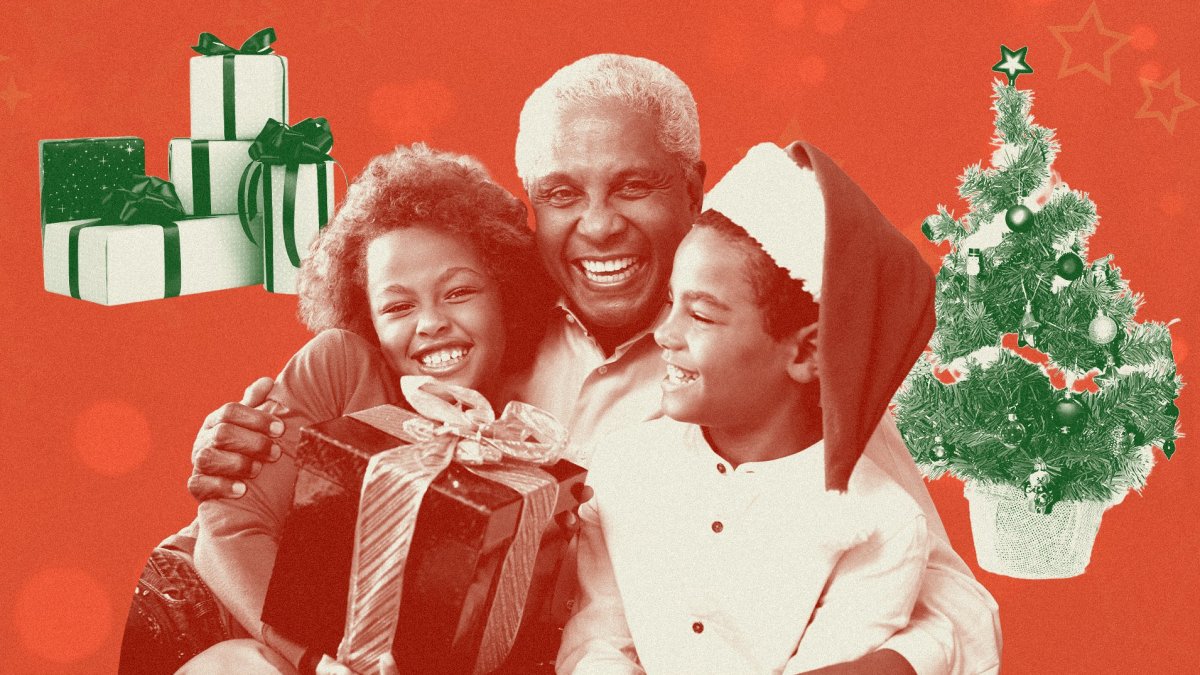
The new dos and don’ts of grandparenting at Christmas (and how to agree them now)
Full Article
Original Source
Read the full article at Inews →KhanList aggregates and links to publicly available news content. We do not host full articles from third-party sources. Always verify important information with original sources.