
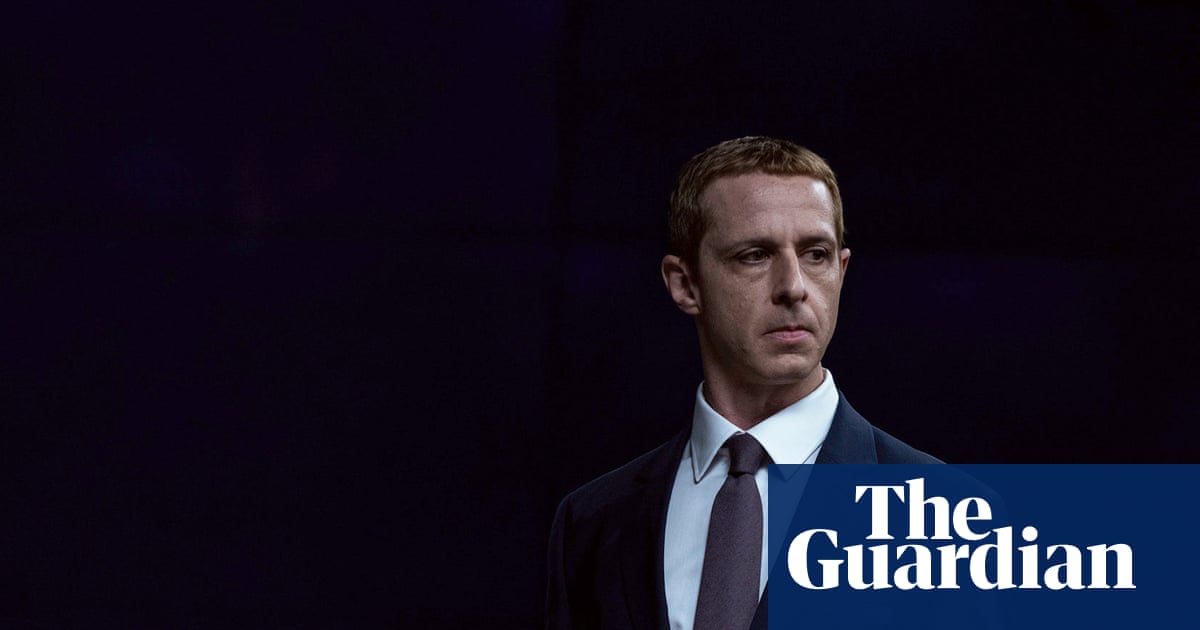
When The Social Network came out, Mark Zuckerberg organised a staff viewing of a film he described as “fun”.A group corporate outing to the sequel is unlikely.The Social Network hardly portrayed the Facebook founder and his company in a hagiographical light (Zuckerberg later described the film as “hurtful”), but there was at least an element of the plucky upstart to the rise of Zuckerberg as he takes Facebook to 500 million users and a valuation of $25bn (ridiculously small numbers now – Meta has 3.6 billion users and is worth $1.8tn).By the end of that film, though, a steely CEO is emerging and his company is on the brink of global hegemony. The Social Reckoning picks up from there, with a clear perspective that both the founder and his company – as well as the industry they represent – are corporate villains now.This is set to be underlined by the release of the OpenAI drama, Artificial, where its CEO, Sam Altman, is reportedly given a deeply unflattering portrayal. Elon Musk completes the villainous trilogy by appearing as himself – aside from the odd deployment of an AI avatar – in Alex Gibney’s four-hour documentary, Musk, about the world’s first trillionaire.Tech is the obvious thread joining these films, but another is the scathing portrayal of the company leaders in them. Film villains used to be hoodlums, ex-deep state operatives, people with posh British accents. Tech execs are the new Darth Vader.Deeply unflattering … Andrew Garfield as Sam Altman and Yura Borisov as Ilya Sutskever in Artificial. Photograph: Courtesy of NeonThis is underlined by the casting of Jeremy Strong, who looks a touch on the old side to be playing 2019-2021 era Zuckerberg (the Meta CEO was in his mid-30s at the time of the film’s events whereas Strong is 47), but is embedded in our minds as the tortured Roy family scion Kendall in Succession.Strong also brings a straitjacketed simmer to the role here, one that breaks slightly at the end as he backtracks on being a “free speech absolutist” under intolerable pressure. It is the most human Zuckerberg moment in the entire film.Peter Bradshaw describes Strong’s performance as a “very interesting Zuckerberg impersonation, standing and sitting like a Thunderbird puppet”. It is much less sympathetic than Jesse Eisenberg’s in The Social Network and is a sort of corporeal representation of Meta as the monolithic, corporate bad guy.Elements of the portrayal chime with some former Meta employees, including a whistleblower, Arturo Béjar, who describes it as “accurate”. Another former employee tells the Guardian that Zuckerberg was “unemotional” in meetings (perhaps what you’d expect from a $1.8tn company CEO, admittedly). Well, Strong’s performance certainly is that.There had already been a turning point in public perception of Facebook before the Haugen leaks, with the Cambridge Analytica scandal, which raised questions about the privacy of account holders’ data and how it is used.Haugen’s revelations in 2021 compounded this disquiet. By the time of the 2022 inquest for British teenager Molly Russell, who took her own life after watching harmful content on Instagram, regulation of social media around the world was inevitable.The tone of The Social Reckoning and Strong’s performance reflect this shift. In the UK, screenings of the film are carrying an advert for the online safety charity established by Molly’s family, in which her father says: “‘Instagram helped kill my daughter”.Responding to Russell, Meta says it has worked to improve the safety of its platforms.The regulatory, legal and political backlash against social media – as well as the release of The Social Reckoning – reflects a lack of trust in such statements.Strong’s Zuckerberg says in the film that “the debate is over”. If it is, The Social Reckoning portrays a world where Meta is on the wrong side of it.
The new Darth Vader: how tech execs became the film villains of our age
Full Article
Original Source
Read the full article at Theguardian →KhanList aggregates and links to publicly available news content. We do not host full articles from third-party sources. Always verify important information with original sources.