
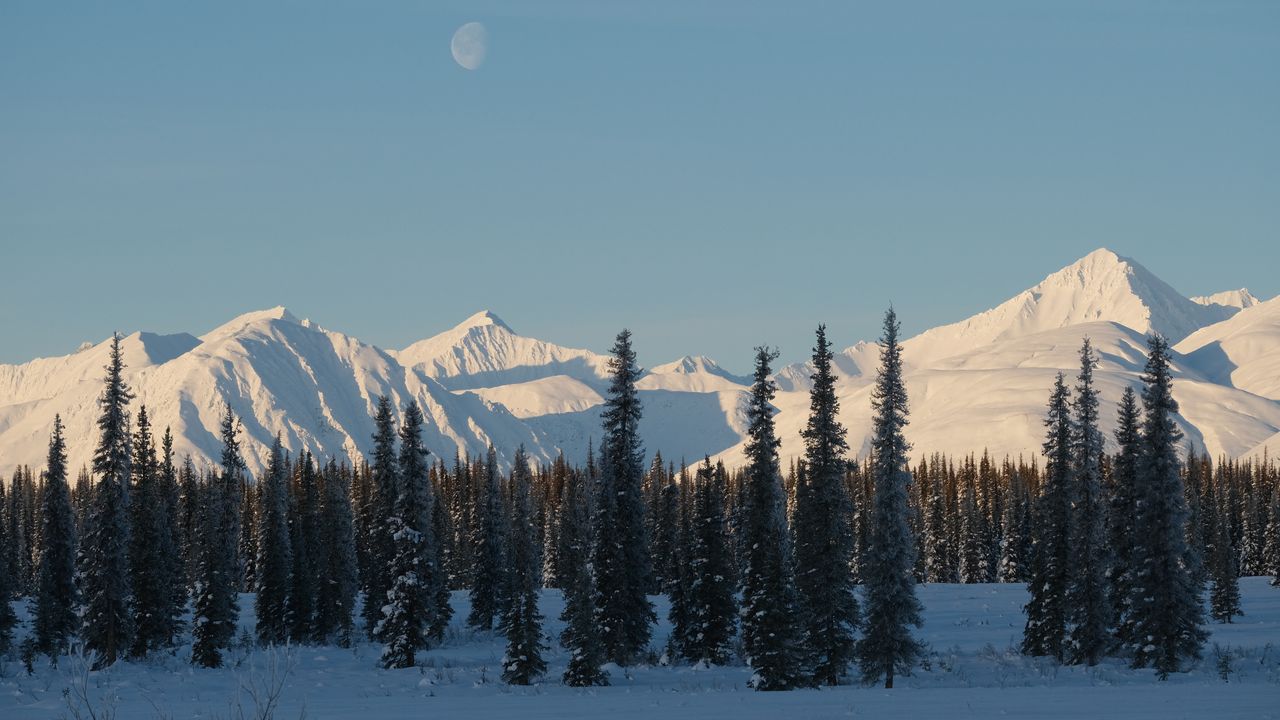
Skip to main contentFrom Ecuador's snowcapped Cotopaxi to Malaysia's lush Kinabalu, the most beautiful mountains in the world offer dramatic landscapes, biodiverse climates, and something for every kind of curious visitor.Getty ImagesThough you may not be able to climb all of the most beautiful mountains in the world, you certainly can admire their grandeur from a distance. Rugged and immovable yet inspiring, often with vastly different climates across their bases and peaks, these sloping landforms are as alluring for scaling as they are for scenic views.Whether you're looking for rare flora and fauna at a mountain's lush foothills in Borneo, fields of wildflower with distant slopes in Washington state, or jagged spires of granite in Argentina, these landmarks and their pristine surroundings are ideal for outdoor activities such as horseback riding, hiking, cycling, camping, or even strolling. Below, explore the 10 most stunning mountains across the globe, which all offer something distinct for every type of traveler.Getty ImagesMount Rainier, United StatesAlso known as Tahoma or Tacoma in the Indigenous Salishan language Lushootseed, Washington state's tallest mountain rises 14,000 feet above sea level and is surrounded by pristine meadows and old-growth forests. Only a three-hour drive from Seattle and Portland, consider a summertime visit to Mount Rainier National Park for full access to trails and wildflower fields in bloom. Paradise, the mountain's southern side, is a great beginners' spot for a waterfall hike—go with Nisqually Vista Trail or Skyline Trail for glacial views. If you're wanting to dodge the crowds, however, rugged Sunrise on the east offers a network of longer trails as well as the highest point of the national park that's accessible by car.Getty ImagesTable Mountain, AfricaWith its prominent flat top overlooking Cape Town, it's easy to see how Table Mountain got its name. Offering sweeping views of the Atlantic and a bevy of local flora such as the fynbos shrub, consider Platteklip Gorge, a three-hour, direct trek to summit, or the scrambling, boulder-laden India Venster route for far more advanced hikers. You can always take the cablecar up and down as well, though book tickets online ahead of time, and be prepared for the inevitable queue. For direct views of the 3,563-foot mountain, moderate Lion's Head hike is a popular choice at sunrise or sunset. Or, visit suburb Bloubergstrand and one of its many windswept beaches for vibrant waters that make way for the mountain on the horizon.Getty ImagesMount Fitz Roy, South AmericaA favorite among climbers and mountaineers, Fitz Roy, also known as Cerro Chaltén, straddles Argentina and Chile in Patagonia and is known for its jagged, glacier-riddled silhouette. The distinct granite spires are visible from the Argentinian town of El Chaltén, which sits directly at the foothills of the mountain. Venture into Los Glaciares National Park and onto the Laguna Torre trail, leading to Fitz Roy's base.Getty ImagesAoraki, New ZealandAlso known as Mount Cook, New Zealand's highest mountain stands at 12,218 feet, with three aptly-named summits: Low Peak (11,788 feet), Middle Peak (12,195 feet), and High Peak. The surrounding grounds feature walks at all skill levels, like Hooker Valley and more challenging Sealy Tarns Track. November through March bring temperate weather, while June through August are colder, yet offer a glimpse of the mountain amidst snow.Getty ImagesMont Blanc, EuropeSkiers, snow hikers, and all around Alpinists have long flocked to Mont Blanc, the highest mountain in Western Europe; after all, it's considered the birthplace of modern mountaineering. Sitting on the French-Italian border, it gets its name from its year-long snowy appearance. For panoramic sights of Mont Blanc and the Alps, take a cable car up to Aiguille du Midi from the après-ski scene at Chamonix, France.Getty ImagesMount Fuji, JapanWith a gentle upward slope that has long been a spiritual and creative muse to the nation's writers and artists, Mount Fuji is among Japan's most recognizable and sacred landmarks. The wider setting itself is home to 25 UNESCO-recognized sites of cultural interest, including pilgrimage lodging houses and Shinto shrines. There is no shortage of options for a stunning view of Fuji, though if you're in search of a quieter spot, consider Lake Motosu or Shoji of Fuji Five Lakes.Getty ImagesMount Kinabalu, MalaysiaOn the island of Borneo, World Heritage-protected Kinabalu is Malaysia's highest mountain and perhaps its most diverse. With a tropical rainforest climate at its base and frigid, rockier conditions near the top, the 13,435-foot mountain possesses an impressive array of biodiversity, including some-5,000-plus plant species, ranging from carnivorous pitcher plants to the particularly odorous Rafflesia, as well as 326 bird and over 100 mammal species.Getty ImagesMount Everest, AsiaIt's no surprise the tallest mountain on Earth is an equally likely contender for the most arresting. Straddling the borders of Tibet and Nepal, the nearly 30,000-foot Himalayan mountain is known as Chomolungma in Tibetan, meaning Goddess Mother of the World, and Sagarmatha in Nepali, roughly translating to Peak of Heaven. The closest view you'll be able to catch without a climbing permit is at landmark Kala Patthar near Everest base camp, which, still, will take a two-week journey from gateway Tenzing-Hillary Airport in Lukla, Nepal. More accessible is hilltop village Nagarkot, just an hour's drive from Kathmandu, offering expansive views of the Himalayas and Everest, a small dot off in the distance but no less memorable.Getty ImagesMount McKinley, United StatesAlaska's Denali National Park is home to six million acres of wild land, roaming wildlife, and, at its heart, the highest mountain in North America. Also known as Denali, the park centerpiece stands at 20,310 feet and is the third highest mountain of the world's Seven Summits. For optimal weather, mid-May through mid-September is the best window to visit, and you can also get mountain views from several waysides along Parks Highway and Alaska Railroad trains.Getty ImagesCotopaxi, EcuadorAlong the Avenue of the Volcanoes, 19,347-foot-tall Cotopaxi is hard to miss. 50 miles from Ecuador's capital Quito, its surrounding national park is an expanse of wetland and grassy fields ideal for walking, horseback riding, and more. Consider a tour of Limpiopungo Lagoon for stirring views of the mountain reflected in still waters or a short hike through José Rivas Refuge—you may just spot an enormous Andean condor soaring overhead. The best time to visit is from June to September, when you'll find clear skies and drier weather; while October to May brings vibrant natural growth, heavier rainfall limits ease and access to outdoor activities.Skyli Alvarez is the editorial assistant at Condé Nast Traveler. She holds a BA in journalism and minor in art history from the University of Georgia and has words and photos in Teen Vogue, Vogue, Polyester Zine, and more. Her work, written and visual, explores style, scenes, and subcultures past ... Read More
The Most Beautiful Mountains in the World—for Climbing to the Top or Admiring From Afar
Full Article
Original Source
Read the full article at Cntraveler →KhanList aggregates and links to publicly available news content. We do not host full articles from third-party sources. Always verify important information with original sources.