
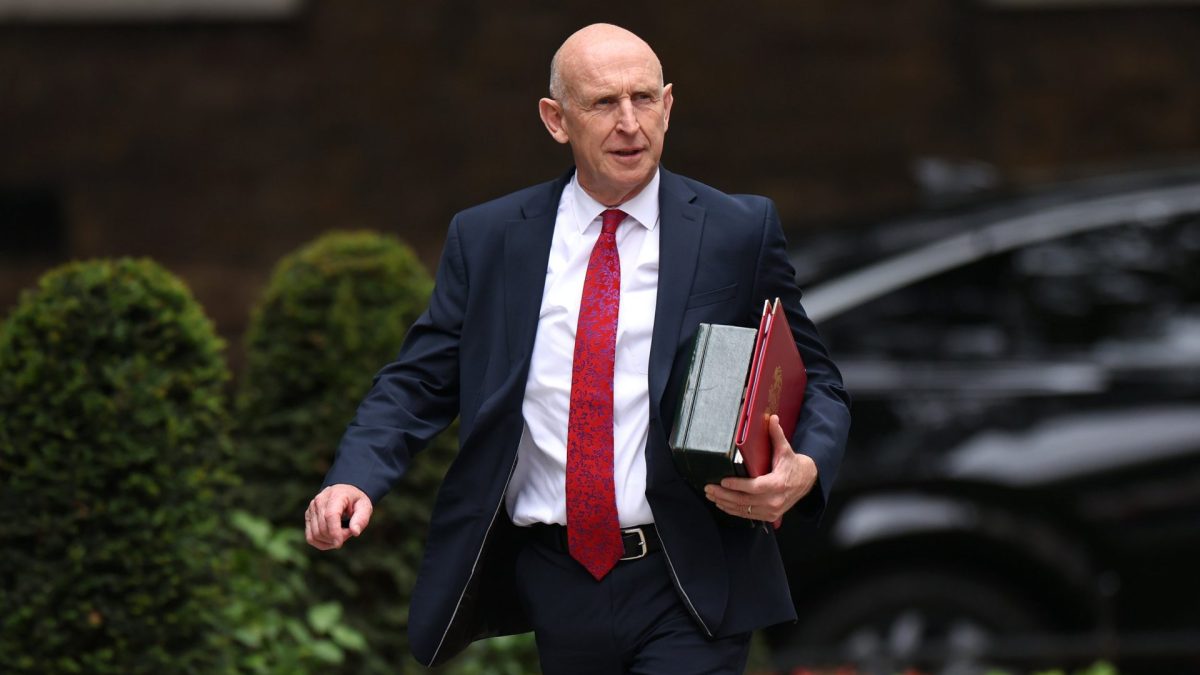
With next month’s Budget fast approaching, speculation over what the Chancellor might announce is already starting to shape financial decisions. But history suggests that acting on rumours before the red box is opened on 28 October can leave people worse off. From taking pension cash early to selling investments, rushing into gifts or simply sitting on cash instead of investing it, experts warn that trying to second-guess John Healey’s plan can turn an understandable desire for certainty into an expensive mistake. Shorts There has been plenty of Budget speculation in previous years, with rumours of changes to pension rules and taxes prompting people to bring financial decisions forward. In some cases, the changes never materialised. Below, we run through the moves that experts say consumers commonly make in the lead-up to fiscal events – and why they should generally be avoided. Taking tax-free cash early One of the most obvious reactions to rumours of pension changes is to take the 25 per cent tax-free lump sum before the rules potentially change. You can normally take up to 25 per cent of your UK pension pot tax-free, subject to a standard overall cap of £268,275, but there have been rumours before the last two Budgets that this could be cut. The influential Institute for Fiscal Studies (IFS) proposed a cut to the lump sum in 2024. It said bringing the cap to £100,000 could bring in money for the Exchequer – but despite concern among pensioners, the change has still not been implemented. This did not stop people withdrawing money, as analysis by financial services consultancy Broadstone shows lump sum access reached record levels of £1bn in the third and fourth quarters of 2024. Ian Cook, chartered financial planner at Quilter Cheviot, warned people against withdrawing money prior to the Budget this time round based on the speculation. He said: “Taking money from a pension simply because you can risks undermining long-term retirement plans.” While the ability to withdraw 25 per cent tax-free remains valuable, he added: “Money taken out unnecessarily loses the opportunity to remain invested and potentially benefit from years of future growth.” Selling investments just in case Another policy change speculated for this Budget is a change to capital gains tax (CGT). CGT is a tax charged when selling an asset – like shares – that have made a gain financially. Some have speculated that the CGT rate could increase in this Budget. This sort of speculation can create another temptation, experts warn. Investors may reason that if rates could rise, it is better to sell an asset now and pay today’s tax rate. The problem, Sarah Coles of AJ Bell says, is that unless a sale is genuinely needed, investors could be paying more in tax than they need to. There are multiple tax-free allowances before CGT is owed – individuals get £3,000 worth of gains they can make tax-free each year, for example – so selling assets in bulk to realise gains can mean you go over these allowances. “This means giving up the opportunity to realise gains gradually within annual allowances, which could protect them from paying any CGT at all, Coles explains. Giving away too much Inheritance tax (IHT) is another area where there is often rumour of reform in the lead-up to fiscal events, and this year has been no different. The tax is charged at 40 per cent on estates over £325,000, with various extra allowances on top, meaning the threshold is effectively much higher for many people. There are suggestions the rate could be raised at this Budget. One technique people often use to cut IHT bills is gifting, as gifts given more than seven years before death are exempt from IHT. But experts warn against this. Coles said: “If you panic and rush into making gifts ahead of the Budget out of fear, there’s a risk you give away more than you can afford or do it before you’re really ready.” The fear of an IHT change can also make people more susceptible to schemes promising to protect their wealth – setting up complex vehicles like trusts. But Coles warns that things like this can be “expensive, and they can fail if HMRC decides they have been used to avoid tax, so you gain nothing from all the hassle and expense.” Making a property move you didn’t really want Property tax changes are another area where rumours of reform have circulated in this Budget. Previously, there were suggestions that the Chancellor could look at reforming stamp duty and council tax, but cold water appears to have been poured on this, with Andy Burnham saying major reform in these areas won’t come this year. Instead, there are suggestions that there could be a change to a recently introduced mansion tax – an additional council tax surcharge on expensive homes. There have been suggestions that this levy could be charged on homes worth £1.5m or more, rather than £2m. Experts say that people should not panic, and either sell homes worth over the threshold, or put off moves to those over this figure. “Ignore speculation when making a property purchase or sale decision, and act as if there was no speculation,” says Eamonn Prendergast, chartered financial planner at Palantir Financial Planning. Doing nothing at all Although all the decisions above could be dangerous, perhaps the biggest trap is becoming so worried about what might happen at the Budget that you stop making sensible financial decisions altogether, Coles says. There’s a real risk that as talk of potential tax rises continues, people become plagued by indecision and pause investments or pension contributions “just in case”, Coles explains. She continued: “But if you just sit on cash, you’ll pay a price for this – missing out on potential investment returns and on key pension contributions.” Instead, experts say that you should act on things you can plan for instead. Jason Hollands, managing director at wealth management firm Evelyn Partners, says: “For investors and savers, the sensible approach is to focus on decisions that make sense under current rules rather than trying to second-guess the contents of a future Budget. “Irrespective of whatever might happen in the next Budget, for most people using valuable allowances such as ISAs and pensions are valuable ways to protect assets from tax.”
The money moves you might be tempted to make before the Budget – but shouldn’t
Full Article
Original Source
Read the full article at Inews →KhanList aggregates and links to publicly available news content. We do not host full articles from third-party sources. Always verify important information with original sources.