
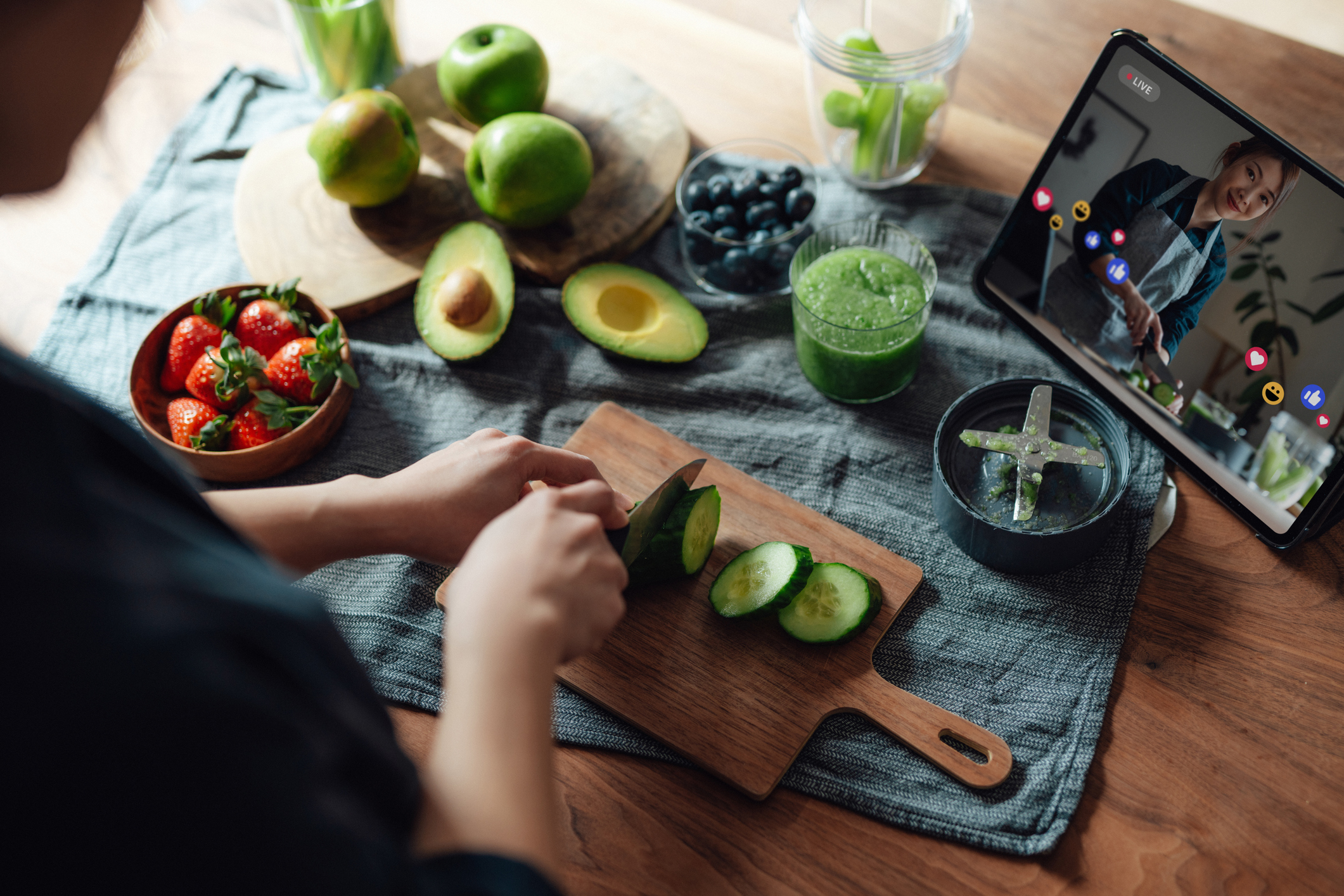
analysis As chefs expand into fashion, travel and social media, the boundaries of restaurant culture are shifting with them Published September 1, 2026 12:00PM (EDT) Chef cooking for social media (Oscar Wong / Getty Images) A chef used to need a restaurant. Now, they need a point of view. That was one of the clearest takeaways from the Chef’s Table Festival in Park City, Utah, where more than 70 chefs gathered not only to cook, but to talk about fashion, social media, travel, medicine, sustainability, storytelling and the increasingly blurry line between food and the rest of culture. During a panel titled “The World’s Most Influential Food,” chef Brandon Jew talked about incorporating traditional Chinese medicinal ingredients into his cooking. He collaborated with Chomp Donuts & Coffee at the festival, creating a donut with chrysanthemum and sea coconut, but his larger goal was to introduce diners to ingredients that might otherwise remain unfamiliar. “I want to teach people that they are medicinal and taste good,” he said. For Jew, having a platform as a chef means having an opportunity to tell those stories. Once upon a time, he said, chefs had the Food Network. Now they have social media. “Social media is an opportunity to reach other people and tell the stories that we may not otherwise get to,” he said. That platform can be enormously powerful. It can also change what diners expect from restaurants. Jew noted that social media has created a kind of zeitgeist around specific dishes. People don’t necessarily visit a restaurant simply because they want dinner anymore; sometimes they go because they’ve seen one particular dish online and need to experience it for themselves. Chef Kwame Onwuachi knows this phenomenon well. His short rib pastrami suya at New York’s Tatiana has become one of the restaurant’s signature dishes. But the dish wasn’t the product of years of development. It was created because the restaurant needed another meat dish for a New York Times photoshoot. The staff had about a week to prepare a cut of meat that ideally needed a week to marinate and cook. “We were slicing it at the photoshoot, hoping it was edge to edge red,” he said, “That was the first time we made it.” “The signature ends up being something you work the least on,” Onwuachi said. And once a dish catches on, it can become something much larger than a menu item. It can become a destination, a reference point, a piece of a city’s identity. The festival also made clear that chefs are increasingly participating in cultural spaces that once had little to do with restaurants. During a panel about the relationship between fashion and food, Onwuachi discussed curating the menu for the 2025 MET Gala, whose theme was “Superfine: Tailoring Black Style.” For him, the collaboration was meaningful because the food could tell a story alongside the clothing. “It was important that I do this because it was the first time they were celebrating Black history and culture,” he said. “In the same way they’re telling the story through fashion, I’m able to do it through food.” Massimo Bottura has spent years doing something similar, using collaborations with brands including Gucci, Ferrari and Armani to expand his work beyond the restaurant. He pointed to his Reffettorio project, which uses food and design to provide meals for people experiencing poverty and homelessness. “Cooking is an act of love,” Bottura said. “Sharing beauty is important when you want to rebuild the dignity of the people.” His point was that design, food and hospitality can work together toward a purpose beyond selling something. That idea came up repeatedly throughout the festival. Chef Norbert Niederkofler talked about his book “Cook the Mountain,” which is made with apple paper and bound in dried apple skin, and how sustainability in food can influence sustainability in fashion. He also said these collaborations can introduce chefs to diners who might not otherwise encounter their restaurants. He has noticed more younger diners at his restaurants, he said, who stay longer and are more likely to return. “We have to tell stories and involve people in things like this because people will see we’re not just cooks,” Niederkofler said. A restaurant has always been an experience, but today’s chefs have more opportunities to shape that experience before a diner ever walks through the door. They can build audiences online, collaborate with fashion houses, publish books, appear on television, travel the world and use their restaurants as platforms for conversations about culture and identity. And, increasingly, diners expect them to. Want more great food writing and recipes? Sign up for Salon’s free food newsletter, The Bite. During another panel at the festival, chefs talked about traveling to unfamiliar places specifically because of what they could bring home from those experiences. Chef Matt Conroy described travel as a form of research. He talked about spending time in Mexico and realizing how much depth and labor went into dishes that diners elsewhere might casually categorize as “Mexican food.” “So much goes into mole and all Mexican food, people often don’t understand,” he said. Experiencing it firsthand—walking through markets, smelling charcoal smoke and watching people cook—gave him a better understanding of how to build that depth of flavor into his own cooking. “I can still smell it now,” he said. Chef Tomer Blechman takes that idea a step further. At his restaurant Theodora, he wants food to create a sense of place strong enough to transport diners without leaving the table. “Being here and hearing about all the meals, it makes me want to try everything,” he said. “It makes me feel inspired.” That spirit of curiosity was central to the festival’s approach to travel. Chef Isabel Coss described herself as someone who loves feeling “out of place.” “We’re a compound of our travels, lives, and experiences,” she said. That might also describe the modern chef. The best chefs are no longer working within a single category. They are cooks, yes, but also historians, artists, entrepreneurs, educators, travelers, designers and storytellers. Their restaurants become places where those identities intersect. Chef Nancy Silverton perhaps put it most simply during the fashion panel. “You have to create a place that creates a memory for people,” she said, “We want to feed the soul and create a place people want to be when they’re happy, when they’re sad, that’s what a restaurant should be.” That may be why the expansion of chefs into fashion, social media and other cultural spaces doesn’t necessarily feel like a distraction from food. At its best, it is an extension of what restaurants have always done. People don’t only go out to eat. They go to celebrate, to discover something, to feel transported, to understand another culture or simply to feel something. As Onwuachi put it: “It’s not always just about food. It’s about experience.” Related Topics ------------------------------------------ Related Articles
The modern chef’s job now extends far beyond the kitchen
Full Article
Original Source
Read the full article at Salon →KhanList aggregates and links to publicly available news content. We do not host full articles from third-party sources. Always verify important information with original sources.