
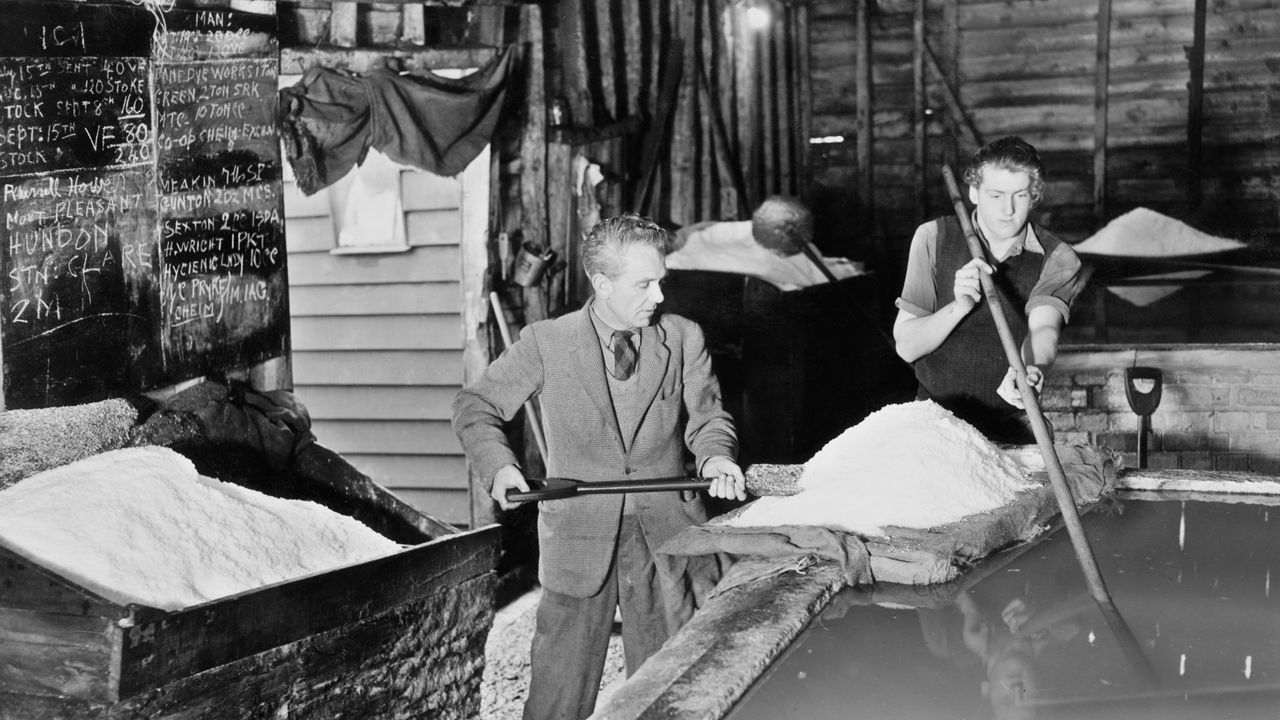
Welcome to Open Tab, a weekly column covering the news, gossip, and stories that have stayed open in my tabs all week. Last time we covered the ever-escalating advent calendar wars.The long-awaited sixth installment of the Grand Theft Auto franchise was released this week. Why in God’s name am I talking about it for a food magazine? Because the game was so highly anticipated that food delivery apps saw noticeable spikes in demand as players stayed home, many skipping work to play the game for hours at a time without breaks for cooking. A Miami cafe even released a specialty roast of coffee beans, and one Florida restaurant chain partnered with Rockstar, the game’s developer, to bring an in-game food spot to life. (The game is set in a fictional state modeled after Florida.)This is the kind of widespread, obsessively orchestrated marketing plan you’d expect around a Beyoncé album. We have arguably not been this close to a true monocultural moment since The Dress debate in February of 2015.In other news, Alison Roman’s podcast, Having People Over, which I teased in last week’s Open Tab officially debuted this week. Episode one features Bowen Yang, and the next couple will be with Lauren Graham and Jenny Slate—and then that’s it until 2027, as Roman told me.Also in today’s Open Tab: the salty, salacious scandal around Maldon’s sourcing, a new study on GLP-1s for children, the case for cocktail brutalism, and a Tuscon restaurant alchemizing desert ingredients.The Maldon sourcing scandalAt Bon Appétit, we love flaky Maldon salt. Like, we really love it. So when a report from The Observer detailed how Maldon’s famed UK sea salt was in fact also made with German rock salt, gasps rippled around the Bon Appétit office. I mean, not gasps exactly, but everyone was like “whaaaat? That’s crazy.”The gritty details: Maldon’s been harvested in Essex’s Blackwater estuary for more than a century, and the label on each box lists its only ingredient as 100% sea salt. The Observer’s report reveals that the company imports mined rock salt from Germany as part of the “salt-on-salt” process in which the sea salt is enriched with minerals. The company is allowed to call their product 100% sea salt because the salt that comes from mines was at one point in a sea—in prehistoric times.Origin and processing matters because these factors can affect the final flavor, color, and how salty it tastes. Maldon is a finishing salt, and it's largely prized for the crunch of its big flakes. But consumers don’t love feeling like they’ve been lied to, and judging from the comments under Maldon’s apology post on Instagram, that is precisely how many feel.I would wager that Maldon will survive this controversy. It’s a legacy brand that’s a staple in professional and home kitchens alike. And while it’s not a great look, I think the majority of consumers would say that salt is salt, and as long as Maldon stays crunchy and salty, they’ll be on board.Should kids be offered GLP-1s?Semaglutide, the GLP-1 compound in brand name drugs Wegovy and Ozempic, is already approved for use in children older than 12. But a new study published in the New England Journal of Medicine shows that the drug is effective for treating obesity in kids as young as six. According to the New York Times, drug manufacturer Novo Nordisk, plans to ask the FDA to authorize the drug’s use for kids in that age group.It's hard to know what the long term effects on developed adult brains and bodies would be, let alone the quickly growing, changing brains and bodies of young kids. We’re beginning to see that GLP-1s can have a profound effect on mental health in adults, but though it seems the drugs can indeed contribute to weight loss in children, there are many other facets of its use that we simply don’t understand and haven’t studied yet.When cocktails become BaroqueWhen I helped build our Best Bars list last year the question of what exactly makes a great bar was one we pondered over for many hours. Order a drink from a Bar of Note (i.e. one of the many bars sitting on a Best-of list somewhere on the internet), and you’ll quickly get a sense of how they answer that same question. Namely: spectacle.Cocktails across the country and abroad have ramped up in complexity and presentation in recent years fueled mostly by the reason you might expect: spectacle and theatricality performs well on social media, according to a report in the Times.As a reporter who has often been forced to order the most attention-grabbing, loudest, most obnoxious drink on the menu in the name of journalism—and as a cocktail-enjoyer in my free time—I would like to propose a paradigm shift. Cocktail brutalism. Cocktail minimalism. Cocktail absurdism—actually anything besides the overwhelming maximalist cocktail moment that we’re stepping into. The ideal drink special? A beer, a shot, and a genuine compliment.The desert ingredient glow upAt Tuscon’s Ursa, ingredients from the surrounding desert are transformed. Chef Aaron Lopez and June Chee who lead the restaurant see cacti and brittlebrush as deeply flavorful staples of their menu. Read on to see how these ingredients come to life.
The Maldon Salt Scandal, Explained
Full Article
Original Source
Read the full article at Bonappetit →KhanList aggregates and links to publicly available news content. We do not host full articles from third-party sources. Always verify important information with original sources.