
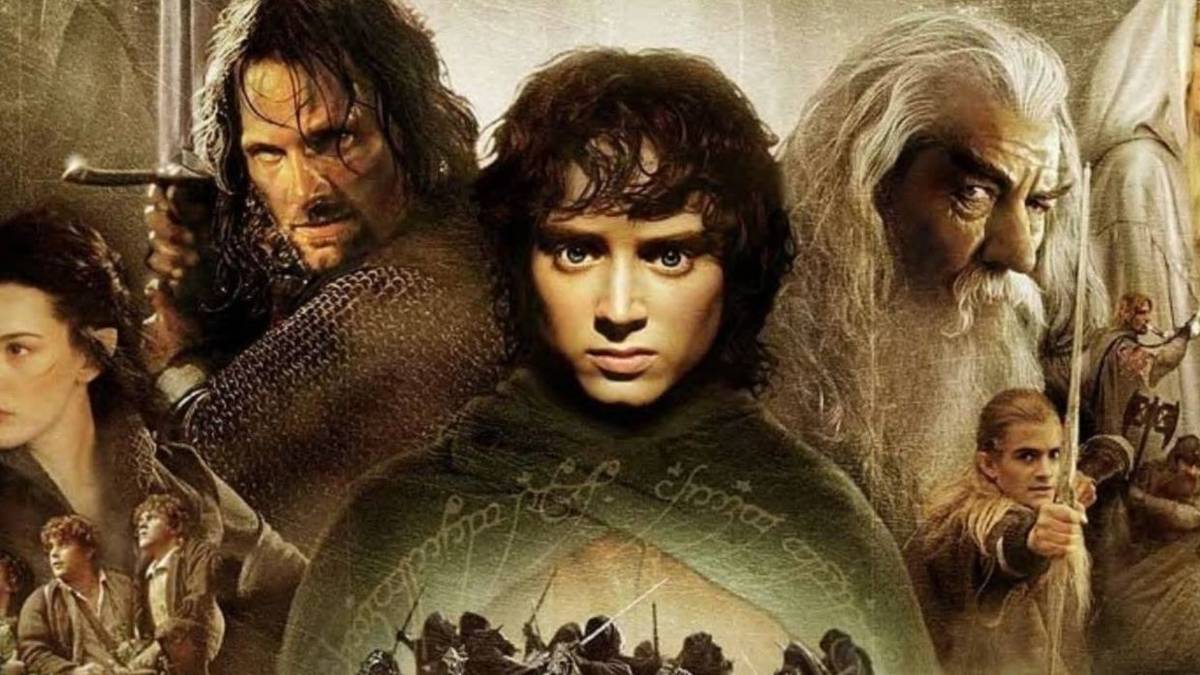
Published Sep 26, 2026, 12:46 AM EDT Kendall Myers is a Senior Author with Collider. As part of the TV and Movies Features team, she writes about some of the most popular releases before, during, and after they premiere. In three years, she has written over 900 articles with topics ranging from classic sitcoms to fantasy epics. The Lord of the Rings has made a name for itself on the page and on screen alike, and while the trilogy is one of the best book-to-movie adaptations, it does make changes. Fans can point to many examples, and they do; however, Peter Jackson's film's alterations to one of J. R. R. Tolkien's characters stand out. Of course, many have a lot to say about the portrayal of Faramir (David Wenham), whose temptation by the One Ring is the exact opposite of the books, but there is a more significant character whom the films drastically change. Aragorn (Viggo Mortensen) is one of the primary heroes of the series, and while he plays an instrumental role in both the books and the films, the adaptation fundamentally changes his character. In many ways, this change is less about what he does and more about how he does it, because in both versions, Aragorn is a member of the Fellowship, the leader of the Armies of Men, and the rightful ruler of Gondor and Arnor. Yet, the films add a reluctance to his character that Tolkien never established and expand certain aspects of his story. The result works for the films, and Mortensen's Aragorn is understandably a fan favorite, yet it's important to recognize that he isn't exactly like the character Tolkien wrote. Aragorn Isn't Supposed to be a Reluctant Hero in 'The Lord of the Rings' Image by Nimesh Niyomal Aragorn is an important character for many reasons, but one major element of his story is his family's position. As Isildur's Heir, he has heavy expectations placed on his shoulders, and in the films, he is reluctant to accept that. Aragorn says as much to Arwen (Liv Tyler) in The Fellowship of the Ring. Though she points out that he is not his ancestor, Aragorn says, "The same blood runs through my veins. The same weakness." This feeling adds an emotional journey as the character slowly accepts his role, proving his worthiness to himself more than anyone else. Plagued by self-doubt throughout the films, Aragorn becomes a brooding character, which is far from how Tolkien intended. The reluctant hero is a much-loved character trope, but originally Aragorn is far more confident. Tolkien's version is proud of the legacy he holds and intends to claim his position as King, though he prioritizes destroying the One Ring. This change is most obvious when the Fellowship arrives in Rohan and Aragorn, reluctant to surrender his weapon, cites his ancestry as a reason he shouldn't need to. While this fits Aragorn's book personality, film Aragorn would never consider sharing his family history so readily. Aragorn's change in attitude doesn't alter the overall plot, but it does make him a dramatically different character in the film than in the books. 'The Lord of the Rings' Films Added Stories for Aragorn Jackson's adaptation not only changes his nature, but it adds storylines for Aragorn. The most obvious is his romance with Arwen. Although the books mention their relationship, it serves as background information rather than a relevant plot. Arwen herself is barely in the story, and what Tolkien wrote about their romance is mostly in the Appendices. Even that isn't quite as dramatic as the films make it out to be. While Elrond (Hugo Weaving) doesn't want Arwen to give up her immortality, he doesn't resist as much as he does in the film, agreeing to their marriage on the condition that Aragorn first claim his place as King of both Gondor and Arnor. The film series' forbidden love story highlights both Aragorn and Arwen, and it's an interesting way to flesh out the character even though it isn't exactly like the book. To emphasize the romance and Aragorn's reluctant hero arc, the adaptation also rewrites the reforging of Narsil into Andúril. In the book, this moment happens before the Fellowship leaves Rivendell, which allows Aragorn to spend most of the story fighting with this sword. But the films take an alternate approach. Elrond reforges the broken sword and delivers it to Aragorn just in time for him to enter the Paths of the Dead. By delaying this event, the films emphasize the drama surrounding Aragorn's reluctance to accept his destiny and his romance with Arwen. In many ways, these additional stories dive deeper into the lore surrounding Aragorn and his family, which makes sense. After all, the films cannot add appendices to explain these things as Tolkien did. Ultimately, the changes work because the adaptation is done well, but Aragorn is a dramatically different character in the films than in the books. Release Date December 19, 2001 Runtime 178 Minutes Director Peter Jackson Writers Fran Walsh, Philippa Boyens, Peter Jackson, J.R.R. Tolkien Producers Barrie M. Osborne, Bob Weinstein, Harvey Weinstein, Mark Ordesky, Robert Shaye, Tim Sanders Prequel(s) The Hobbit: An Unexpected Journey, The Hobbit: The Desolation of Smaug, The Hobbit: The Battle of the Five Armies Sequel(s) The Lord of the Rings: The Two Towers, The Lord of the Rings: The Return of the King Franchise(s) The Lord of the Rings
The Lord of the Rings Character Who Was Completely Unrecognizable in the Books
Full Article
Original Source
Read the full article at Collider →KhanList aggregates and links to publicly available news content. We do not host full articles from third-party sources. Always verify important information with original sources.