
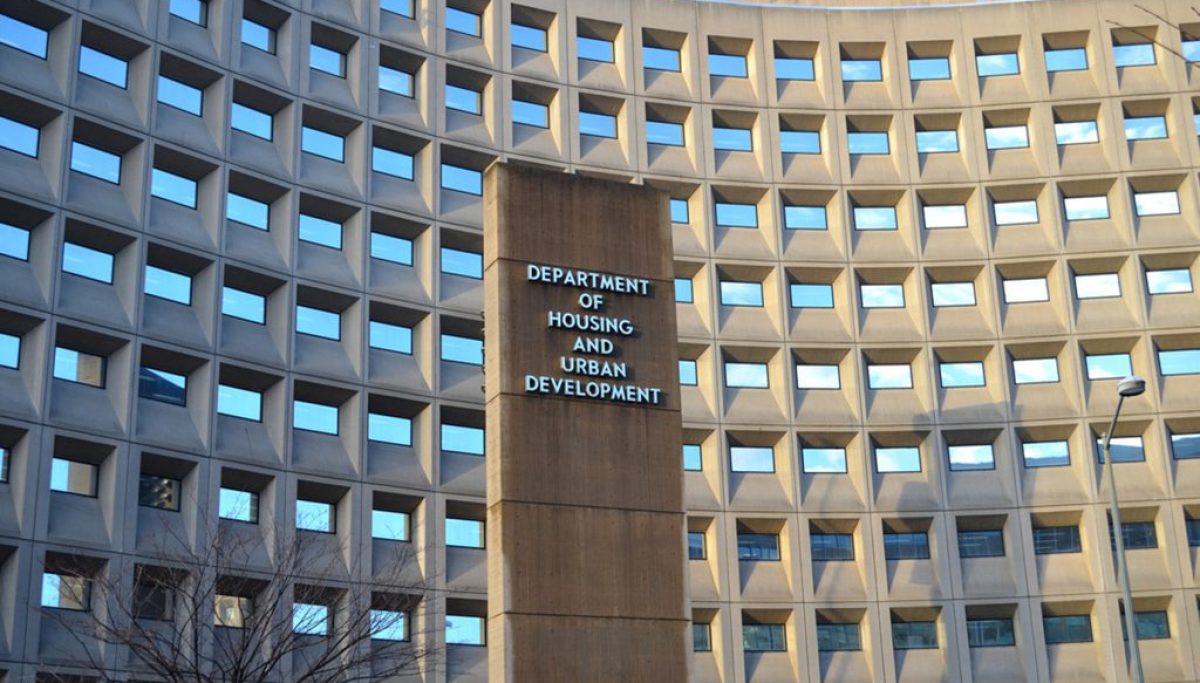
If a government program has spent billions of dollars to solve a problem and the problem has gotten worse, it’s time for a change. That’s what has happened with the federal program that spends $4 billion each year to help communities address homelessness. The Department of Housing and Urban Development, after more than a decade of increasing budgets and increasing homelessness, has finally reformed its programs and funding priorities. Instead of applauding efforts to fix a broken program, homeless services providers and their interest groups are doing all they can to block these reforms.Advocates and their trade association, the National Alliance to End Homelessness, are worried that HUD’s changes will reduce billions in funding to their ineffective programs, thus holding them accountable for their inability to make progress. To prevent this, the homelessness industrial complex is going to great lengths to maintain its funding and reverse reforms intended to reduce homelessness, increase accountability, and end fraud and abuse.Late last year, the National Alliance to End Homelessness and the National Homeless Law Center, alongside a group of homeless service providers, filed multiple lawsuits claiming that HUD’s reforms, which aim to make homelessness assistance funding more competitive and outcome-driven, are illegal. They sought a sympathetic judge, Judge Mary McElroy of the U.S. District Court for the District of Rhode Island, to block HUD’s funding process. She has now done so three times. First, in December 2025, McElroy issued a preliminary injunction against HUD. Then, in an August ruling that was later reversed by the 1st Circuit Court of Appeals, she blocked the reforms again on procedural grounds.Last Friday, more than a year after HUD first announced the reforms, McElroy once more sided with the special interests to halt them, citing the providers’ new argument that they should receive funding simply because they have a history of administering the program, rather than because they effectively reduce homelessness, increase self-sufficiency, or fight drug addiction.In essence, the providers claimed that HUD can’t defund homelessness programs even if their actions and outcomes harm homeless people. Unbelievably, McElroy agreed.Such reasoning, which puts the interests of homeless service providers above the needs of the homeless themselves, is completely contrary to HUD’s efforts to restore the lives of homeless people, get them into treatment, and hold programs that waste money and commit fraud accountable. McElroy’s decision sides with federally funded special-interest groups to keep billions in federal awards flowing without any regard for results they produce. On top of this, it hurts homeless people by entrenching a program in desperate need of reform — a program that has not only failed to stop the increase in homelessness, but also created a flourishing ecosystem of bloated programs that simply don’t work to reduce the number of people living and dying on the street.A Cicero Institute analysis of nearly 5,000 federally funded programs shows that increases in homeless funding have largely gone to compensation and executive salaries instead of the needs of the homeless. In other words, there is good reason to believe federally funded programs and their special interest groups are working to stop changes to a program intended to help homeless people so that they continue receiving federal funds and enjoying pay increases.Not only that, gaps in oversight, service delivery, financial waste and fraud, and missing data have become synonymous with homelessness assistance. Federal prosecutors have arrested multiple people using federal and local homeless funds to enrich themselves while literally leaving the homeless out in the cold.TRUMP’S VENEZUELA CHESS MOVE WILL END FOREIGN OIL DEPENDENCEHomeless advocates suing to oppose program reforms are advocating service providers — not homeless people. They are more interested in their paychecks and program funding than effectively addressing the deadly humanitarian crisis playing out on America’s streets.HUD is right to end the failed status quo. Programs with nothing to show should have their funding cut and be held accountable for harming people and cities.Paul Webster is a senior fellow at the Cicero Institute and a former adviser to the U.S. Department of Housing and Urban Development.
The homelessness industry versus the homeless
Full Article
Original Source
Read the full article at Washingtonexaminer →KhanList aggregates and links to publicly available news content. We do not host full articles from third-party sources. Always verify important information with original sources.