
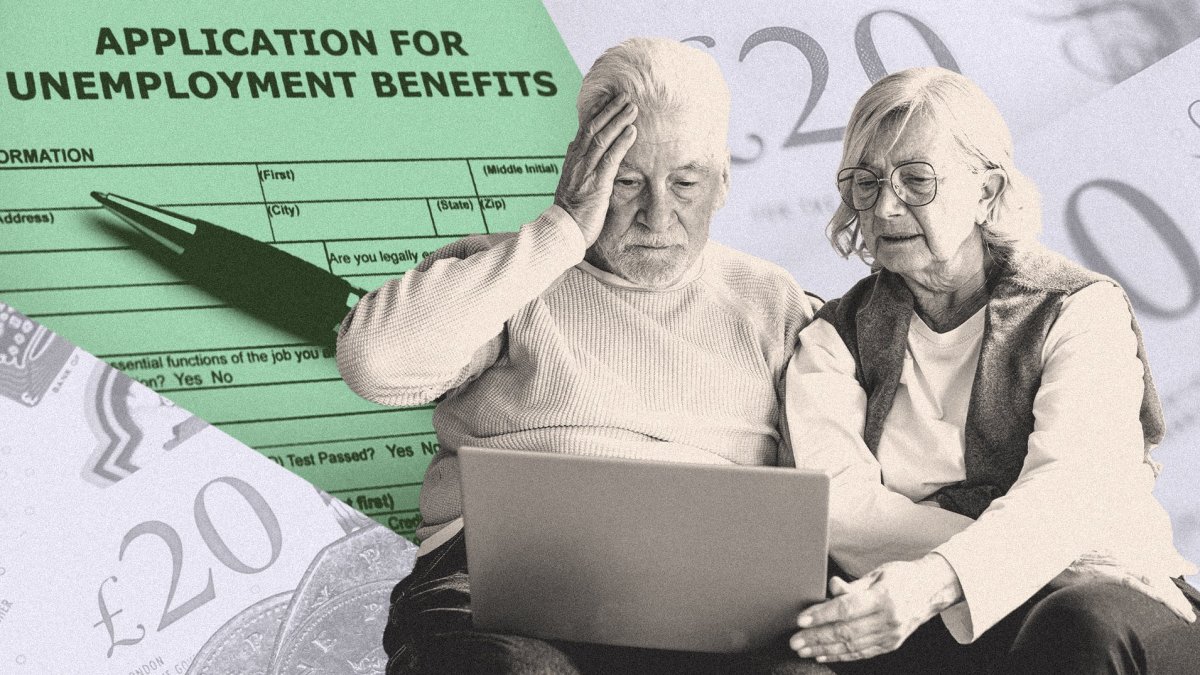
Raising the state pension age to 68 will create a hidden benefits timebomb that could force tens of thousands of people in their late 60s to claim welfare support, leading experts have warned. People who cannot afford to retire early but are unable to remain in work due to ill health could face longer periods relying on working-age or disability benefits while they wait to qualify for the state pension. The state pension is £241.30 per week, while Universal Credit for a single person is £424.90 per month, showing a huge difference in the amount of state support people can access. Shorts Heidi Karjalainen, an economist at the Institute for Fiscal Studies (IFS), warned that although raising the retirement age saves the Treasury money overall, it could push more people out of work and onto benefits as “poverty rates rise”. Catherine Foot, director of the Standard Life Centre for the Future of Retirement, said raising the pension age can leave people “stuck in limbo”, adding: “The labour market is telling you you’re too old to work but the state isn’t yet telling you you’re a pensioner.” The state pension age is already rising to 67 by 2028 and is currently scheduled to increase to 68 between 2044 and 2046. However, the Office for Budget Responsibility, the Government’s official forecaster, expects the move to 68 could be brought forward by seven years to 2037 to 2039 to ease pressure on the public finances, although this is not Government policy and a review of the timetable is under way. How much a pension age rise would cost The OBR has predicted the rise to 67 will force 60,000 people to remain on Universal Credit (UC) for an extra year at a cost of £700m. But it expects the increase to deliver an overall net saving of £10.5bn to the Treasury, largely because fewer people will be receiving the state pension. But Karjalainen, of the IFS, said the number of people claiming working-age and disability benefits with a further increase to 68 is likely to be even “bigger” – and there is no clear assessment of how much extra money disability benefits could cost in the long-term. She said claims would increase not only because people would automatically stay on benefits for longer, but also because health problems are more common among people in their 60s. “The higher the state pension is, the more we’re just going to have working age people who are in poor health, and that then means that we might have more people also applying for these working age disability benefits,” Karjalainen told The i Paper. Foot said raising the pension age to 68 would pull “tens of thousands” more people onto benefits and called for an “explicit policy strategy” to mitigate against it. Former pensions minister Steve Webb said a “quirk” of the system means people who start claiming Personal Independence Payment (Pip) before reaching state pension age often continue receiving the more generous benefit “for life”. Meanwhile, those who claim afterwards usually rely on Attendance Allowance, which is typically less generous because it excludes mobility support. He and pensions expert Karjalainen said raising the state pension age could therefore increase long-term benefit costs, potentially offsetting some of the Treasury’s savings. Greater risk of people in their late 60s facing poverty The former coalition-era minister said raising the retirement age to 68 is still “worthwhile” for the Treasury overall, but that there must be a “proper look at how we’re preventing people from falling into poverty, from falling into benefits”. Just 42 per cent of 65-year-olds are in paid work, dropping to 29 per cent for people at the current state pension age of 66, according to the latest official employment statistics. Webb said the upcoming rise to 68 is likely to have an even greater impact on benefits claims as people in their late 60s are “far more likely” to have health issues and will still have “bills to pay”. Foot, of Standard Life, said past increases have led to “more people in poverty and more people accessing benefits”. A report by the financial services company found that the years before someone begins claiming their state pension can be “particularly financially challenging”, with 13 per cent of 65-year-olds saying they had gone without basic essentials in the previous year because they could not afford them, compared with four per cent of 67-year-olds. The battle over the future of the state pension triple lock All this comes as the Government is facing growing calls to move away from the triple lock, which ensures the state pension rises each year by the highest metric of inflation, wage growth or 2.5 per cent. Karjalainen said scrapping the triple lock would have a greater impact on wealthier pensioners, while a higher state pension age would hit poorer people hardest because they tend to die younger. Labour has committed to keeping the generous pensions system until the end of this Parliament, with many deeming it too politically toxic to tamper with. Secretly some MPs agree with many outside of Whitehall who are demanding it is axed after high inflation in recent years sent costs soaring to £146bn a year, accounting for nearly half of welfare spending and more than double the entire defence budget. Last week, the Government confirmed pensioners who rely solely on the state pension would be exempt from tax with its average worth set to tip above the personal allowance of £12,570 next year. Ministers promised to set out how this would be funded at the 28 October Budget. A spokesperson from the Department for Work and Pensions said: “The next state pension age review is currently under way and will look at what the state pension age should be in future decades. It will consider a wide range of evidence and must be completed by March 2029. No decisions have yet been made. “In addition, the Timms Review report has made clear that PIP and its administrative systems are no longer fit for purpose and the recommendations from its final report, due in Autumn, will lay the foundation for sustainable reform.”
The hidden over-60s benefits timebomb – and what it could cost
Full Article
Original Source
Read the full article at Inews →KhanList aggregates and links to publicly available news content. We do not host full articles from third-party sources. Always verify important information with original sources.