
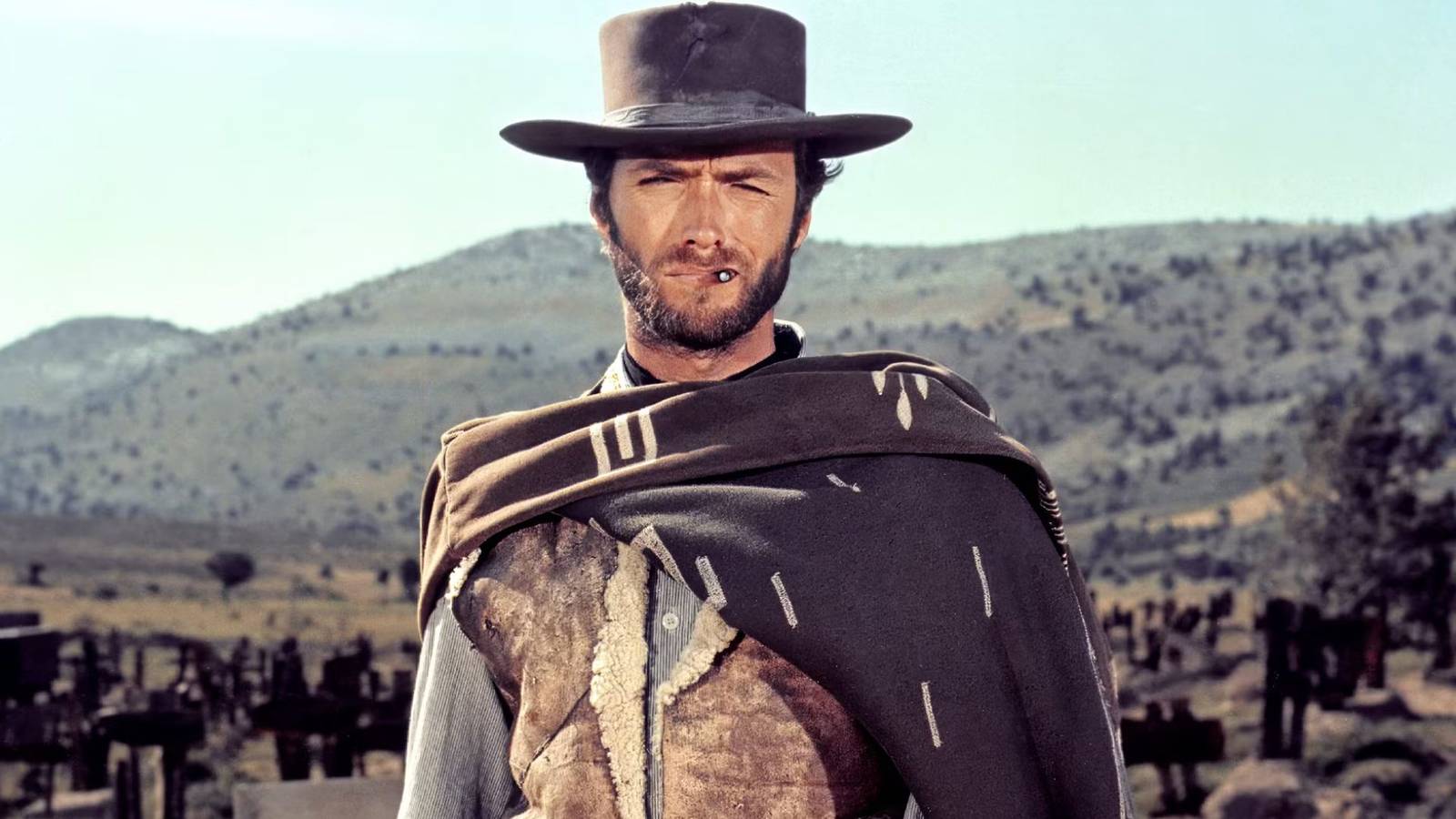
Published Oct 5, 2026, 4:30 PM EDT Karlis has been obsessing over television and movie news since he first learned how to read. He has worked in tech, as a musician, and in journalism with a well-rounded knowledge base of pop-culture throughout the eras. He claims that he has memorized the entire Internet Movie Database, and to date no one has been able to refute this. Holding a Bachelor's Degree in Religion and Culture from Wilfrid Laurier University, Karlis loves to examine the intersections of popular science-fiction and culture. His latest novel MASS. is available now on Amazon and examines a world where obesity has become a federal crime. The Good, the Bad and the Ugly is one of the most revered Westerns ever made, and much of its success comes from following its own cardinal rule. The powerful 1966 film concludes Sergio Leone's fantastic Dollars Trilogy and features Clint Eastwood in arguably the most memorable performance of his long and storied career as The Man with No Name. This epic spaghetti Western film is a fantastic experience. Filled with bloody and complex antiheroes, and beautifully shot, the film's story unfolds against the backdrop of the American Civil War. In the film, three gunslingers who embody the title set out on a quest to recover what they believe to be a fortune in buried Confederate gold. The film works on just about every level. The visuals are stunning, the performances are staggering, and the sparse, whistling music is among the most memorable that has been seen in the genre. Ennio Morricone is one of the best composers to have ever worked in Hollywood, and this film features what might be the finest work of his career. With all of that said, what makes The Good, the Bad and the Ugly work so well is that it is a well-made Western that abides by a fantastic rule of the genre. That rule is manifested by a fantastic line in the film, where the best supporting character in the Dollars Trilogy provides a staggering moment of insight. Clint Eastwood Doesn't Say The Good, The Bad And The Ugly's Best Line During a tense scene in The Good, the Bad and the Ugly, when Tuco Ramírez is taking a bath, he is accosted by a one-armed bounty hunter. Believing himself to have the upper hand, the would-be assailant monologues on his success rather than taking the kill, giving Tuco the opportunity to fire his own weapon directly through the tub. After killing the man, Tuco delivers one of The Good, the Bad and the Ugly's best quotes in this memorable scene: "When you have to shoot, shoot. Don't talk.". This simple quote does a great deal of work in reframing how Westerns are seen on screen, where so much of the pomp and peacocking can overtake the very real nature of the violence that these stories look to establish. Talking rather than using one's weapon is dangerous for the characters, certainly, and it can also temper the story's efficacy from a narrative standpoint. While other characters in the film also have some iconic lines, it is difficult to argue that there are any stronger reflections on the genre, as well as how violence is enacted, than what Tuco says here. This ethos has gone on to influence many pictures in the genre and beyond in the years since. Why Tuco's Rule Is So Important Image via MovieStillsDB The Good, the Bad and Ugly is a fantastic spaghetti Western, and spends much of its runtime building up the legacies of its three main characters. In this, it adds a unique texture to the stories of gunslingers, elevating them in a way that makes them so much more important to audiences. With this line, however, the mythologizing of these faces and what they represent is immediately undercut with a great awareness of the violence that constantly hangs over their heads. When Tuco says this, there is a narrative purpose, certainly, but it is also a metatextual comment on what really matters in stories like these. As part of an installment in the Western movie canon, this line is a strong reminder that there is only so much building up of a character that can be done effectively. It is just as important, if not more so, to recognize that a gun is a powerful force, and it can rob any man of his life, no matter how much his character might be built up. Realizing this and treating these weapons with the respect that they command is an essential understanding for effective Western storytelling. The Good, the Bad and the Ugly is a strong film with great moments and fantastic characters. However, it is hard to deny that this memorable line, delivered with such skill by Eli Wallach, contributes to one of the greatest and most impactful moments in all of Western cinema. Release Date December 22, 1966 Runtime 161 minutes Director Sergio Leone Cast Writers Agenore Incrocci, Furio Scarpelli, Luciano Vincenzoni, Sergio Leone, Mickey Knox Producers Alberto Grimaldi
The Good, The Bad And The Ugly's Tuco Has The Perfect 8-Word Rule For Every Western
Full Article
Original Source
Read the full article at Screenrant →KhanList aggregates and links to publicly available news content. We do not host full articles from third-party sources. Always verify important information with original sources.