
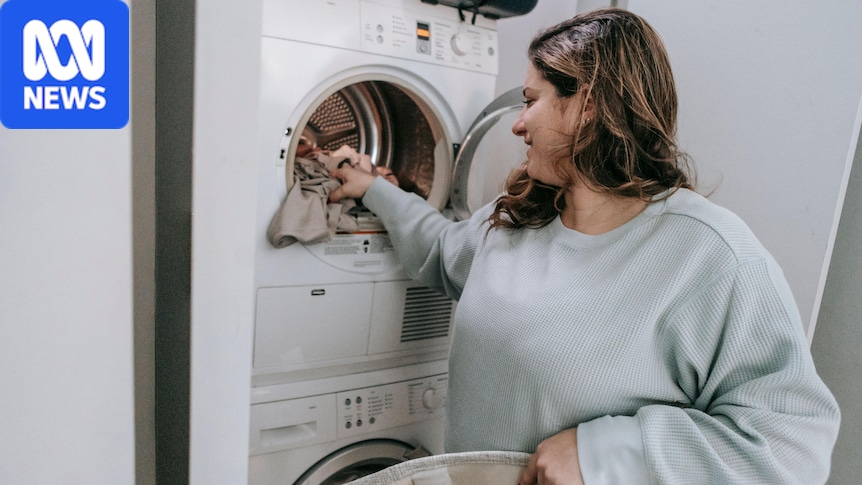
When it comes to keeping our homes clean and running efficiently, there are a few appliances doing the heavy lifting.Washing machines, dryers, fridges and vacuum cleaners also come with big price tags, so looking after them is important for their longevity.Experts say if we're not regularly cleaning these appliance "workhorses", our homes and clothes may not be as clean as we think.Here's how to give them a deep clean and how often to do it.Vacuum cleanerCleaning the things that clean our home, especially vacuum cleaners, is an "annoying" but important job, according to Leanne Neiland, a cleaning content creator based in Brisbane/Meajin."If your vacuum cleaner is not clean, it'll have less suction, therefore decreasing the air quality in your house because you're not vacuuming up as much dust," she says."What is most important is visually looking at your appliance to see if it needs cleaning."Matthew Steen, the director of Reviews and Testing at CHOICE, says checking the manufacturer's instructions is the first step for cleaning any appliance."These will show how to access and replace the filters, [and] which parts are safe to wash," he says."If you have a problem and [the manufacturers] turn around and say, 'we can tell that you didn't clean it [as recommended]', then basically you're killing your warranty."Deep cleaning bagless vacuums should be done once a year. (Supplied)Choice recommends cleaning once a month by brushing off any accumulated dust on washable filters and rinsing them under a tap or in a sink of warm water.Deep cleaning bagless vacuums should be done once a year:Remove and clean the dust bin/canister and wash in warm water (if recommended)You may be able to remove and wash the hose, wand and accessory heads tooUse a second vacuum cleaner, if possible, to help remove built up dustWipe the exterior with a soft clothReplace the filters if neededMake sure all parts are completely dry before you put the vacuum cleaner back togetherYou should replace any worn out parts such as the hose, roller drive belt and accessoriesFridgeWhen it comes to cleaning the fridge, Choice recommends doing this more regularly to make sure it's running at its best."It actually is costing you money not cleaning your fridge out because mould and bacteria cause your food to break down quicker," Ms Neiland says."I actually do it every time I get my groceries … all you need is a wet microfiber cloth and wipe out the shelves."Choice recommends once a month pulling out the shelves and crisper and giving them a clean with warm soapy water, and at the same time checking for anything that's expired.Mould and bacteria in your fridge can cause your food to spoil more quickly. (ABC News: Cason Ho)For deep cleaning seasonally or annually:Roll your fridge out and clean behind and under itCheck internal temperatures with a thermometer and adjust to compensate for changes in ambient temperatureClean and dust the external condensers at the back of older modelsCheck and clear the drainage or evaporation pansFor manual defrost fridges and chest freezers, defrost and clean the freezer compartmentCheck and replace your water filter if necessaryCheck the door seals for wear and replace if necessaryWashing machineMr Steen says washing detergents and fabric softeners can adhere to the drum of your washing machine and can "create stains on your clothes".Ms Neiland recommends keeping the machine's door open in between uses to allow moisture to dry out and avoid mould build-up, which will make deep cleans easier.How to deep clean a washing machine:Check manufacturer's cleaning instructionsRun the machine empty on its hottest cycle with a bit of detergent (or run a cleaning cycle if it has one)Wipe away mould on door seals and other surfaces using hot soapy water and a soft clothIn top loaders, clean the lint filter outIn front loaders, check the coin trap or lint trapRemove any scud with hot soapy water and a sponge or toothbrush (including detergent dispenser)Check if the machine in properly levelled and adjust the feet if neededCheck the hoses for damage and replace them if necessaryDryersThe methods for deep cleaning your dryer will depend on the model you have.It is one of the most important jobs to stay on top of according to our experts, because excess or clogged lint in filters can cause fires.Queensland Fire Department recommends cleaning your lint filter before or after each load.Deep clean vented dryers every three to six months:Turn off and unplug the dryerRemove the lint filter and pick off dry lint, wash in soapy water and let it dryUse a toothbrush or small paintbrush to remove any lint from tight corners in the filter slot, then vacuum it out with a narrow nozzle attachmentVacuum and wipe slats on the front vent grilleWipe down the drum and rubber door seal with a damp clothA dirty lint filter on a clothes dryer. (Adobe Stock)Choice says heat pump dryers are becoming more popular because of their energy efficiency.For these, "it's really the electric ventage that you need to worry about," Mr Steen says."They don't have as much lint as you would in a vented dryer, but keep an eye on lint build-up."Clean a heat pump dryer every six months to a year:Turn off and unplug the dryerRemove the lint filter and separate heat exchanger filter, remove accumulated lint and wash with soapy waterClean the condenser unit fins using a vacuum hose with a soft brushWipe down the drum and rubber door seal with a damp clothEmpty and clean the water collection containerVacuum air intake vents on the exteriorCheck the dryer for wear and tear to cords or knobs
The four 'workhorse' appliances you need to deep clean at home
Full Article
Original Source
Read the full article at Abc →KhanList aggregates and links to publicly available news content. We do not host full articles from third-party sources. Always verify important information with original sources.