
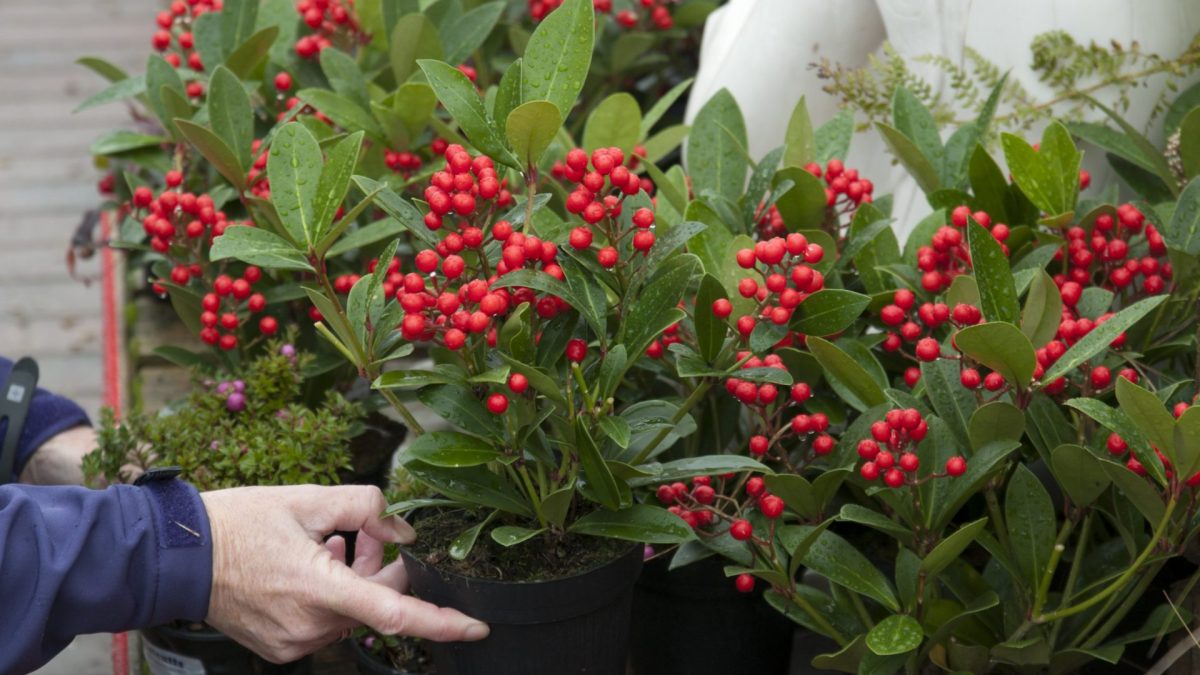
Autumn is the best time to plant all but frost-tender plants and those that resent winter water-logging, such as lavender. Rains have returned to most regions, softening the ground. The soil also remains warm, so that anything planted now will probably grow enough roots to withstand at least some dry weather next spring and early summer. After a trying summer in most regions, there is likely to be strong demand for plants this autumn. Although there is likely to be plenty of stock, the best-quality ones may well sell out early, so prompt ordering is advisable. If replacing casualties, check them for signs of disease, rotted bark and underlying wood at ground level, including white fungal material on the dead parts of trunks and roots. If found, defer planting until autumn 2027 to allow diseases to die down. Shorts Autumn bedding – bellis, forget-me-nots, pansies, bedding forms of cyclamen and wallflowers – are inexpensive and can fill in gaps in borders and replace summer container flowers as they finally fade. Adding spring bulbs, crocus, grape hyacinths, snowdrops and dwarf forms of tulips and narcissus will enhance the display. Small evergreen shrubs and climbers including variegated ivy, berried gaultheria and red-berried skimmia are also often added to containers for winter colour and greenery. Evergreens do not go truly dormant over winter and should ideally be planted in late September or October. Conifers – whether trees or for hedges, or dwarf forms for rockeries and containers – can be planted now. Shrubs such as camellia, choisya, eleagnus, euonymus, roses, wisteria and evergreen viburnums are other good candidates for autumn planting. Where the soil remains dry and not yet rewetted, fill the planting hole with water and allow it to drain before planting, then water well after planting. Evergreen trees, can be planted, too but these can be drippy in wet weather. They also often to be on the tender side – bay and arbutus, for example – so unless you live in a mild region, spring planting is often best for these. Plant spring bulbs like tulips and narcissus (Photo: Kat Weatherill/RHS) If you are not quite ready to plant evergreens, they can be planted all winter unless the soil is too wet or frozen. Economical winter-delivered evergreens include root-balled plants, which are widely available for hedges in particular. Here, the plant is dug out of nursery fields with plenty of roots and soil, wrapped in sacking and despatched for immediate planting. Deciduous trees, including fruit trees, are lifted once dormant and leafless from November. Being leafless, they lose water slowly and are sent as bare-root, though in fact the bare roots are carefully wrapped to prevent drying out. Large semi-mature trees are often sent root-balled. Bare-root plants establish as well as, or better than, potted plants and are usually significantly cheaper. Plant on receipt, but, if this is not possible “heel in” by digging a trench and placing the unwrapped plants in the trench, and refill. Lean the trees at 45 degrees to limit wind rock. Deciduous shrubs are sold bare-root less often (soft fruit is an exception and should be treated in the same way). Most shrubs are supplied as container plants. For hedges, deciduous plants are sold as bare-root bundles, but evergreen ones such as yew are supplied potted. October, when soil is not yet sodden, is also a very good time to plant hardy herbaceous plants including astilbe, astrantia, geranium, helenium, oriental poppies, phlox, rudbeckia and veronica, which, although usually offered as container plants, are also sold in autumn as economical bare-root plants. @GuyBarter The RHS is a charity inspiring everyone to grow via its research, advisory, outreach, shows and gardens. For more information, visit: rhs.org.uk Guy Barter is the Royal Horticultural Society’s (RHS) chief horticulturist
The flowers you should plant now that will survive another dry year
Full Article
Original Source
Read the full article at Inews →KhanList aggregates and links to publicly available news content. We do not host full articles from third-party sources. Always verify important information with original sources.