
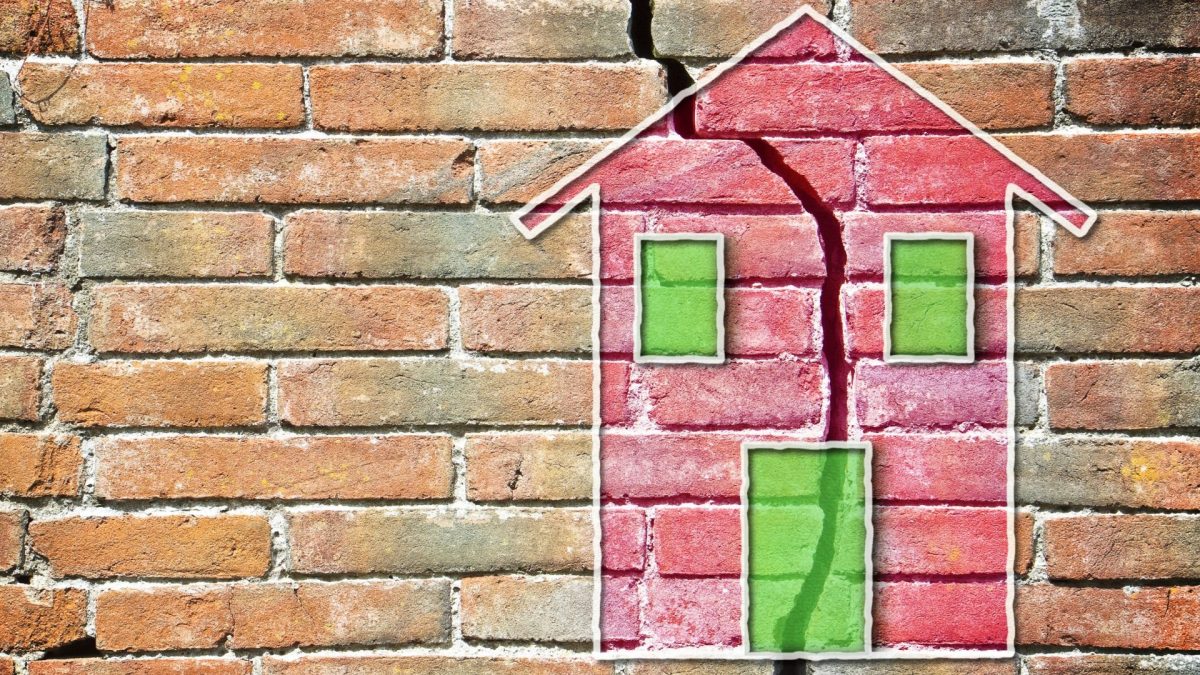
Discovering a crack in your walls can be worrying, particularly if it’s seemingly getting longer and wider by the day. It might, of course, be largely cosmetic and part of the charm of living in a period property. But it also might mean your home is suffering from structural movement or, in other words, subsidence. Subsidence occurs when the ground beneath a building’s foundations moves downwards, potentially causing damage to the property. Subsidence commonly appears in periods of dry weather and can be caused by a number of factors from clay soil drying out and shrinking to nearby tree roots sucking up all available moisture. Thousands of homeowners across the UK are concerned about damage to their properties, particularly after the heatwaves this summer. According to the latest figures published by the Association of British Insurers (ABI) on 2 November, insurers received 13,000 new domestic subsidence claims between July and September 2026, up from 8,000 during the same period last year. The number of domestic subsidence-related insurance payouts reached a record high in 2025, rising by 10 per cent since 2024. Bob Gibson, an independent subsidence consultant, says, “This year has been probably the biggest subsidence surge that I’ve ever known in my 40 years, possibly the biggest ever.” The problem for homeowners is that not every crack is a sign of subsidence, and knowing the difference between what requires filler and a lick of paint and what might cause the building to collapse isn’t straightforward. Expert advice should always be sought, though, as ignoring the warning signs could mean extensive damage and very costly repairs.We asked experts to explain how to spot subsidence red flags and the steps homeowners should take to protect their property. What are the signs to look out for? One of the first signs of subsidence can be doors and windows that stick. “If wooden doors get wet, they can swell a little or get stiff but if it isn’t weather-related and the doors or windows are sticking then it’s worth looking at the corners of the windows and doors to see if cracks are appearing,” says Lee Jones, a geological engineer at the British Geological Survey (BGS). Cracks are one of the most common symptoms of subsidence but diagnosis can be difficult and requires specialist knowledge. Jones says subsidence cracks tend to be diagonal, and Gibson agrees, although he warns against ruling out subsidence based on the direction of a crack alone: “It’s a very complex subject. There’s no substitute for professional advice, generally the cracks are diagonal but it’s dangerous to rule out a crack because it’s horizontal.” Other signs can include gaps appearing between walls and ceilings or floors and skirting boards, cracks getting noticeably larger over time or floors appearing to slope. Some of these can have other explanations – like the settling of a new-built home – so a professional assessment is needed to establish subsidence as the cause. What causes subsidence? One of the most common causes of subsidence is clay soil losing moisture and shrinking during periods of dry weather. “It’s where the clay underneath your foundation shrinks and your foundation goes down and then it swells again in the winter [when it gets wet] and your foundation goes back up again,” says Gibson. Jones, who researches soil conditions, says areas in the southeast of England and London are particularly at risk because they have significant amounts of clay soil. He also advises homeowners to look out for the type of movement affecting their property. “Differential or uneven” movement, where one side of a building moves more than another, is more likely to cause damage than “if the whole house subsided together”. Other causes include vegetation, as tree roots can draw moisture from the soil causing it to shrink. Nearby building work can impact ground conditions, and there are also leaking drains and water pipes, although Gibson says they are less common causes. What should homeowners do if they suspect subsidence? In most cases, subsidence isn’t dangerous, nor does it pose an immediate health risk. Also, cosmetic cracks can appear from temperature changes, general house settlement or building works, such as an extension, so you don’t need to assume the worst right away. Gibson says the first step is to establish what soil your house is built on, and what vegetation is near your home. “Many people underestimate the distance that tree roots will go, and in climate change, we’re seeing roots travelling further and deeper than ever before thought possible,” he says. He recommends hiring an independent specialist to help assess the ground conditions around your house. If you do have a crack, take a photograph or make a note of when it appeared and whether it changes; subsidence cracks are typically more than three millimetres wide, around the thickness of a pound coin. If you live in a new-build, small cracks are likely to be the building settling but if cracks are new, widening or accompanied by other signs of movement (such as sticking doors or sloping floors), they should be investigated by a surveyor or specialist. Gibson also advises homeowners not to fill the crack if they suspect structural movement. “That’s burying your head in the sand. The sooner you face up to the fact that it could be subsidence and needs investigating the better.” You should also check your insurance policy and make sure they cover subsidence-related issues, and contact them about their claims process. Gibson is cautious about homeowners relying solely on an insurer’s loss adjuster to diagnose the issue and believes seeking an independent consultant’s opinion is important. A structural engineer typically charges about £175 to £350 to visit a house and look at one specific problem, such as a crack, according to 2026 UK price guides from the HomeOwners Alliance and the Federation of Master Builders (FMB). A written report costs more, between £500 to £2,000. One problem Gibson often sees is disagreement between an insurer’s assessment and that of an independent engineer’s, which can leave homeowners unsure how to proceed. Once you have the two assessments, “you need to weigh up the two opinions and what you think is more likely, which one you have greater faith in and if it’s the independent consultant’s view, go back to the insurers and say that you’re still pursuing the subsidence claim.” He has seen people successfully reopen the claim. What happens if your home has subsidence? Once subsidence is suspected or confirmed, the next steps will depend on the cause and extent of the damage, and is case-by-case. Often, further investigation is required to determine the cause, which could involve examining the soil, checking drains or monitoring cracks. Solutions can include removing vegetation, repairing leaks or, in more serious cases, stabilising the foundations of a property, which is called underpinning. Checkatrade’s 2026 subsidence repair cost guide puts the average cost at £12,500 but each home, and the length of time underpinning takes, can vary. Why prevention is key “Prevention is the way to go in the future,” says Gibson, who points to France as an example of a country beginning to take a more proactive approach to subsidence. Their government has introduced a €30m experimental fund to help homeowners in areas particularly vulnerable to clay shrinkage and swelling to protect their properties before serious damage occurs. The scheme, known as the “fonds de prévention argile“, can include a specialist diagnosis of how vulnerable a property is, an inspection of underground water pipes and drainage, and recommendations for work to reduce the risk of damage, such as removing trees. Gibson believes the UK could learn from this approach, arguing that “insurance companies cannot sustain this current demand” and hopes it’ll be introduced soon.
The expert’s guide to spotting – and fixing – subsidence in your home
Full Article
Original Source
Read the full article at Inews →KhanList aggregates and links to publicly available news content. We do not host full articles from third-party sources. Always verify important information with original sources.