
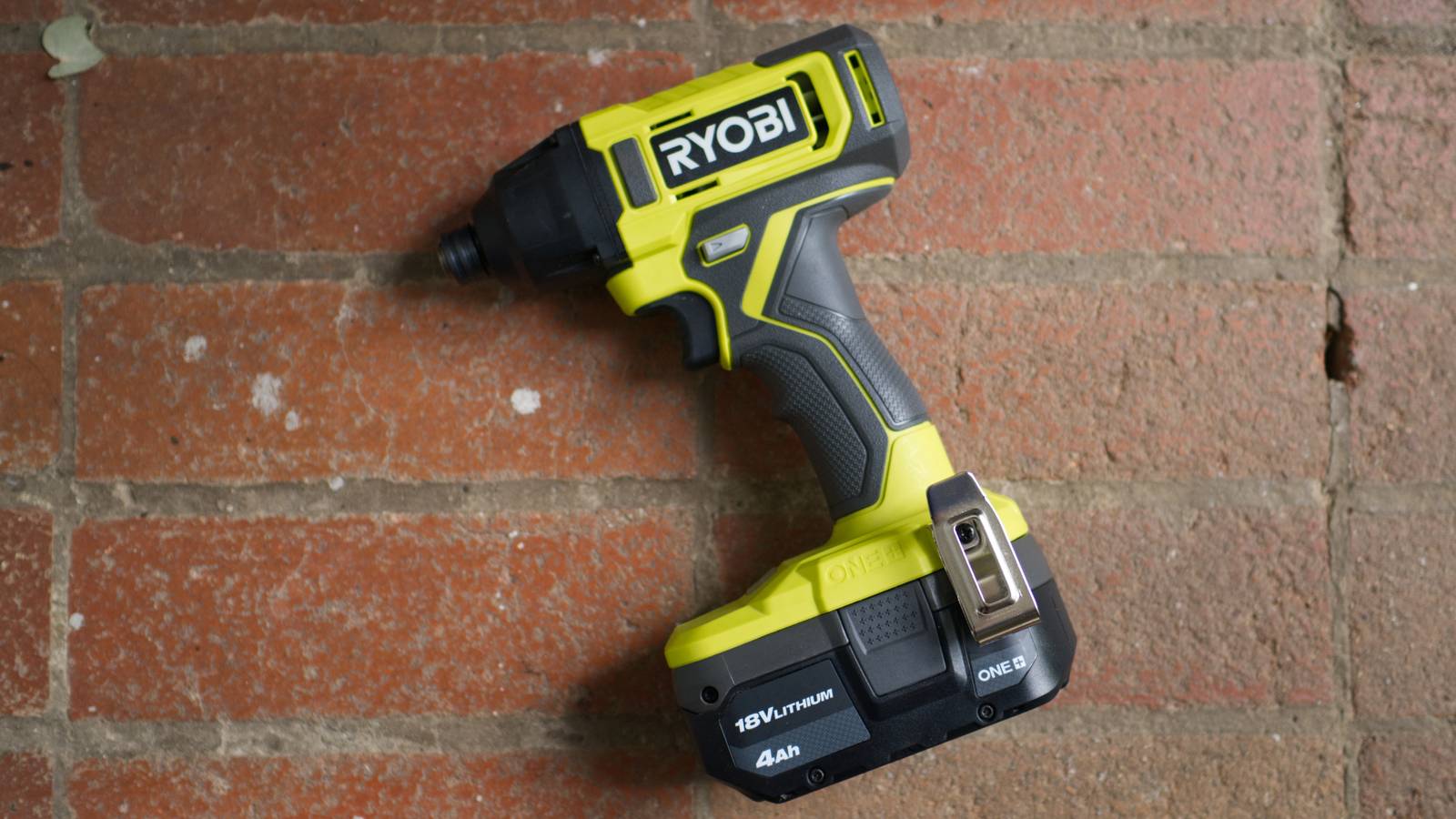
Published Nov 20, 2026, 6:00 AM EST Tim has been covering technology for almost 20 years, in that time spanning a broad range of topics from security to product reviews. He is especially focused on the Apple ecosystem, productivity, and consumer advice. Over the years Tim has written thousands of articles, reviews, and round-ups in addition to producing video content and original photography. A graduate of journalism, he found his footing as a freelancer with a laptop and loves how he is able to work from practically anywhere. Now a Senior Editor for iPhone, Mac, and Smart Home at How-To Geek, Tim still loves to write. He can also be found crafting round-ups and productivity posts for the Zapier blog. Earlier in his career Tim spent nearly a decade as a writer and eventually Apple section editor for MakeUseOf. Tim currently lives in Brisbane, Australia. Outside of work he loves to hike and work out, play video games, and spend quality time with his wonderful partner and two cats Inka and Roger. Amassing a collection of power tools may seem like an expensive endeavor, but you can save a lot of money by following a few basic rules. Sometimes the key is patience, and other times it’s spending a little extra to get a lot more. Here are some basic do’s and don’ts to follow if you can’t help but spend money at the hardware store. Do this Look for bundles Bundles are a great way to save money, but only if you need the tools and accessories they provide. I bought a Ryobi impact driver that was bundled with a charger and battery, because it was significantly cheaper than buying those parts separately. Not all tool brands allow you to do this, but some hardware stores will run promotions. Bundles of tools also offer exceptional value compared with buying everything separately, as long as you actually need the tools. A five-tool kit that includes a reciprocating saw and sander you’ll never use doesn’t make a lot of sense. It also comes down to whether or not you’re happy dropping a chunk of change or buying things separately… Shell-only tools are cheaper While bundles are a great way to build a collection of power tools quickly, shell-only tools give you the bare minimum: the tool and nothing else. You don’t get batteries with so-called “naked” tools, which is ideal if you already have a few batteries you can use from previous purchases. There’s nothing stopping you from mixing and matching power tool ecosystems, but keeping everything within a single system makes battery management trivial. Wait for sales Some tools and accessories always seem to be on sale. Ryobi’s battery packs are a good example of this, with bulk packs offering a significant discount over buying a single loose battery. The same is true of many bundles, with brands like Milwaukee and DeWALT seeing $100 or more knocked off them for predictable sales events like Black Friday, Father’s Day, and seasonal clearances. Seasonality is another thing you can use to your advantage. You’ll save big money on mowers in the fall or winter, or accessories that use power tool batteries like fans and heaters in the off-season. Buy second-hand (sometimes) Credit: Tim Brookes / How-To Geek Second-hand tools aren’t always the bargain they appear to be, especially when it comes to cheaper brands like Ryobi. But in some circumstances, the bargains are too good to ignore. This is especially true when you’re buying a tool for a specific job that you don’t intend to use very much after. I bought a table saw for cheap on Facebook Marketplace and saved hundreds, and I regret nothing. Spend slightly more on quality that lasts Credit: RYOBI Spending more to save money might sound counter-intuitive, but if it means you get a better tool that lasts longer, then it makes sense. My go-to example is Ryobi’s HP series of tools. These have brushless motors, which are more efficient, generate less heat, and provide better performance than their brushed counterparts. Don’t do this Buy trade-quality tools for DIY projects Everyone wants the best possible tool for the job, but not everyone needs to spend big. Brands like Bosch, Milwaukee, Makita, and DeWALT exude quality, while brands like Ryobi and Kobalt are seen as budget options. The former are built better and will probably last longer, but they can cost a lot more. Understanding the limits of your DIY habit can save you some serious money, even Ryobi tools can last decades. Sometimes, burning out cheap tools is a good thing because it shows you which tools you’re in need of, and that buying something more expensive is worth it. Skimp on accessories like bits Credit: Tim Brookes / How-To Geek So this isn’t specifically related to tools, but it’s a purchase you’re probably going to make alongside a drill, impact driver, or similar tool. When I bought my cheap Ryobi impact driver bundle, I paired it with an equally cheap Ryobi impact bit set. The first time I used it, I managed to round the bit. So I promptly took it back to the hardware store and swapped it by paying an extra $10 to “upgrade” to a smaller DeWALT kit. Cheap tools pair great with quality accessories. Buy cheap off-brand batteries Credit: Patrick Campanale / How-To Geek It can be tempting to buy cheap batteries, but the general consensus is that this isn’t worth it. There’s a minimum quality guaranteed by sticking with a first-party battery pack, one that keeps your warranty in place if things go wrong. I’m not going to pretend that off-brand batteries are going to immediately fry your tools, but better safe than sorry. Forget about corded tools In the age of lithium-ion battery-powered everything, it can be easy to forget that corded tools exist. But these tools still offer some big benefits over the cordless options. If you can stay near a power socket (or spend your savings on a decent length extension cord), you’ll get benefits like more powerful motors, lighter tools (without batteries attached), and freedom from charging limbo. You’ll also find a lot of these on the used market at bargain prices as people upgrade to cordless systems. Knowing where to start is half the battle, so check out the five power tools everyone should start with (and which brands make the most sense).
The do’s and don’ts of saving money on your next power tool
Full Article
Original Source
Read the full article at Howtogeek →KhanList aggregates and links to publicly available news content. We do not host full articles from third-party sources. Always verify important information with original sources.