
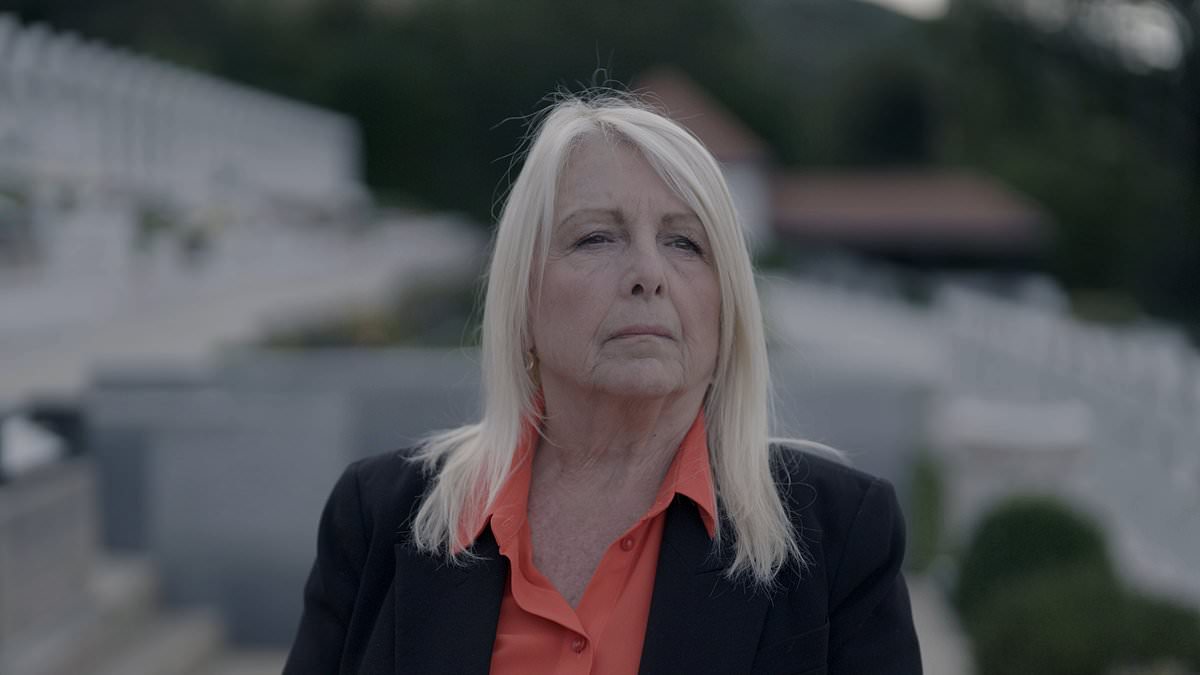
Published: 17:47 EDT, 19 October 2026 | Updated: 18:30 EDT, 19 October 2026 Aberfan: The Village That Fought Back (BBC Two) Rating: Four out of five stars Among the many deeply nasty villains of the 20th century, the former Labour MP and National Coal Board chairman Lord Alf Robens, Baron of Woldingham, is often unjustly forgotten.Vain, supercilious and cold-hearted, Robens was a real specimen. His callousness was captured with shocking clarity in the documentary Aberfan: The Village That Fought Back, in archive footage.As he arrived by air in South Wales, to address a meeting of parents in the mining town after the 1966 disaster that claimed 144 lives, most of them children, Robens appeared both flattered and disgruntled to be collared by BBC reporter Brian Hoey.Stroking back his hair like a man posing for his photo, he refused to offer any words of consolation for the bereaved.All he could say, with the ghost of a smug smile, was that he expected to fly out again 'at 8.45 this evening'.A leading trade unionist and one-time Manchester city councillor, Robens had ambitions to become PM when he entered politics. It's no surprise to learn, on examining his biography, that he avoided active service during the Second World War by having himself certified as 'medically unfit'. The Coal Board’s callous contempt for the Aberfan families is shocking: CHRISTOPHER STEVENS reviews Aberfan: The Village That Fought BackHis cowardice was evident as he evaded all responsibility for the catastrophe that engulfed Aberfan 60 years ago this week. There was nothing the Coal Board could have done to prevent it, he insisted, and little that needed to be done to help the survivors.This gut-wrenching hour-long film spent only a few minutes telling how a mountain of coal waste collapsed, engulfing the primary school in 100,000 tons of black slurry. It avoided the well-worn stories – the Queen's tears, the donations raised by East End gangsters the Kray Twins – and instead focused on the efforts of the families to cope with their grief and prevent another disaster.The contempt Robens displayed for them was staggering. He took one look at the other six slag heaps lowering over the valley before announcing they posed no risk.The town had to fight for three years to have the danger removed... and even then, Robens made the townsfolk contribute £150,000 to the cost from their charity fund.Bereaved families were given £50, the equivalent of one month's pay for a miner, by the Coal Board – though the Charity Commission initially required parents to show evidence that they had been 'close to their children'.Oddly, this documentary was relegated to BBC2 across most of the country, except in Wales where it aired on BBC1. The rest of us got a repeat of Death In Paradise. BBC Wales was also the only region to show an excellent short film, called Unseen: The Aberfan Portraits, about the efforts of artist Bill Richardson to create oil paintings of the lost children.Why the Beeb felt this didn't need to be seen across the UK is inexplicable. Seek it out on iPlayer – it's heartbreaking.
The Coal Board's callous contempt for the Aberfan families is shocking: CHRISTOPHER STEVENS reviews Aberfan: The Village That Fought Back
Full Article
Original Source
Read the full article at Dailymail →KhanList aggregates and links to publicly available news content. We do not host full articles from third-party sources. Always verify important information with original sources.