
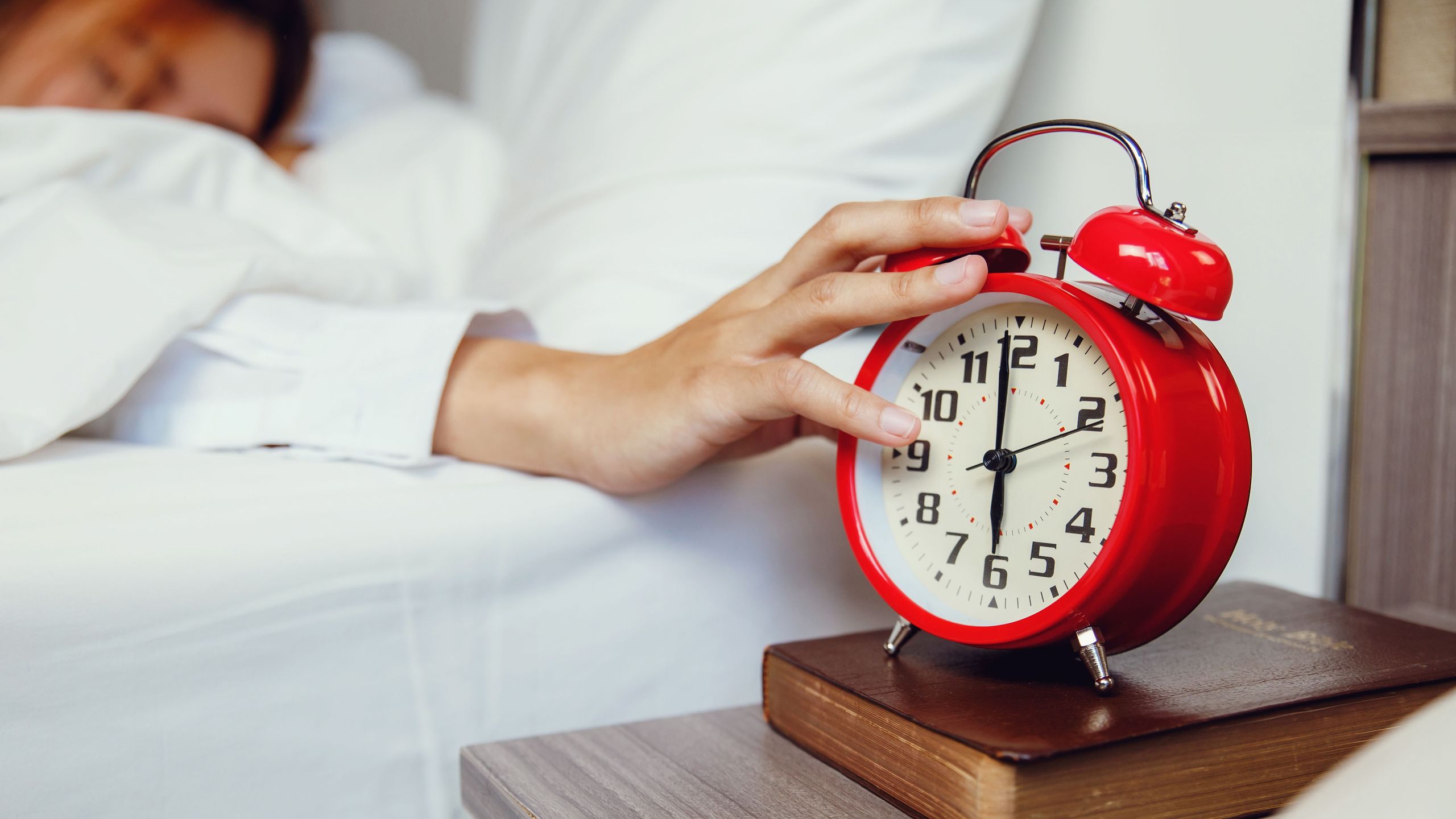
(Image credit: Getty Images) For most US states, the clocks go back on Sunday, November 1st, marking the end of daylight savings. At 2 a.m. the clocks will go back to 1 a.m., which means an extra hour in bed. But while an extra hour of sleep might sound like an alluring prospect, not everyone welcomes another clock change. Some sleep experts note the sudden shift negatively disrupts our circadian function, while others say shifting with the sun can instead keep your body clock aligned to natural rhythm.With a 2025 poll found that over half of Americans support abolishing the practice, we explore the pros and cons of both.Should daylight savings be abolished? The pros and cons... (Image credit: Future)The pros of abolishing daylight saving...“There are arguments on both sides," notes Dr. Zoe Williams, NHS GP and Dreams’ Resident Sleep Expert. "But from a sleep and health point of view, our bodies generally like consistency. We all have an internal body clock, or circadian rhythm, which helps regulate not only when we sleep and wake, but things like hormone release, alertness and appetite."Having our routines suddenly shift twice a year means there is inevitably a period where that rhythm has to adjustDr. Zoe WilliamsDr. Williams explains that when our routines are forced to suddenly shift twice a year, there's inevitably a period where that rhythm has to adjust.“An hour might not sound like a big change, but our bodies don’t work according to the clock on the wall," explains Dr. Williams. "We get used to waking up, eating, winding down and going to sleep at certain times."Our circadian rhythms are tied to the rising of the sun... morning light is essential to wake us upDr. Tim MercerDr. Tim Mercer, NHS GP Partner & GP Trainer with Opera Beds adds that for those with chronic conditions, such as dementia, the change in the clock can be "unsettling."“It can increase confusion and agitation in the late afternoon or evening, a phenomenon known as sundowning," he says. "This happens because reduced sunlight and disrupted circadian rhythms make it harder to tell whether it is morning or evening.”The cons of abolishing daylight saving...However, Dr. Mercer notes that in many places, the time change keeps our routine aligned with the natural daylight, which is "biologically and socially useful for our health."“Our circadian rhythms are tied to the rising of the sun rather than the geographical time, and morning light is essential to wake us up," he explains. "Similarly, evening darkness helps us unwind and fall asleep."Get instant access to breaking news, the hottest reviews, great deals and helpful tips.Will the clocks stop changing? (Image credit: Getty Images)While other parts of the world are set on adhering to daylight savings for the next few years at least, here in the US it's a little complicated. The Sunshine Protection Act, which aims to make daylight saving time permanent, passed the house in 2026. But it's yet to make it through the Senate, which is why you'll be stuck fiddling with the oven clock once again this fall.And if the clock changes do come to an end, we'll run into the question of which time zone to stay in. Lighter evenings or lighter mornings — where do you stand in the debate?What US states don't observe the clock change?Not everywhere in the US changes time during the year. Hawaii remains in one time zone year-round, as does US territories American Samoa, Guam, Northern Mariana Islands, Puerto Rico and the Virgin Islands.Most of Arizona also remains in Mountain Standard Time year-round. Apart from Navajo County, which observes the clock change to keep it aligned with reservations in Utah and New Mexico. Follow Tom's Guide on Google News and add us as a preferred source to get our up-to-date news, analysis, and reviews in your feeds. Ruth is an experienced Senior Staff writer at Tom’s Guide, covering all things sleep and mattresses. She writes to help people sleep better, from how-tos to the latest deals to mattress reviews, and has interviewed an array of experts who share her passion. She is also our specialist on memory foam — she’s flown around the world to see memory foam being made — and leads our hotel mattress content. She has a deep interest in the link between sleep and health, and has tried enough mattresses, from Helix to Nectar to Simba, to know the right bed really can make a difference to your wellbeing. Before joining the team at Tom’s Guide, Ruth worked as a sleep and mattress writer for our sister website, TechRadar.
The clocks fall back next Sunday — sleep experts are divided on whether it’s actually a good thing
Full Article
Original Source
Read the full article at Tomsguide →KhanList aggregates and links to publicly available news content. We do not host full articles from third-party sources. Always verify important information with original sources.