
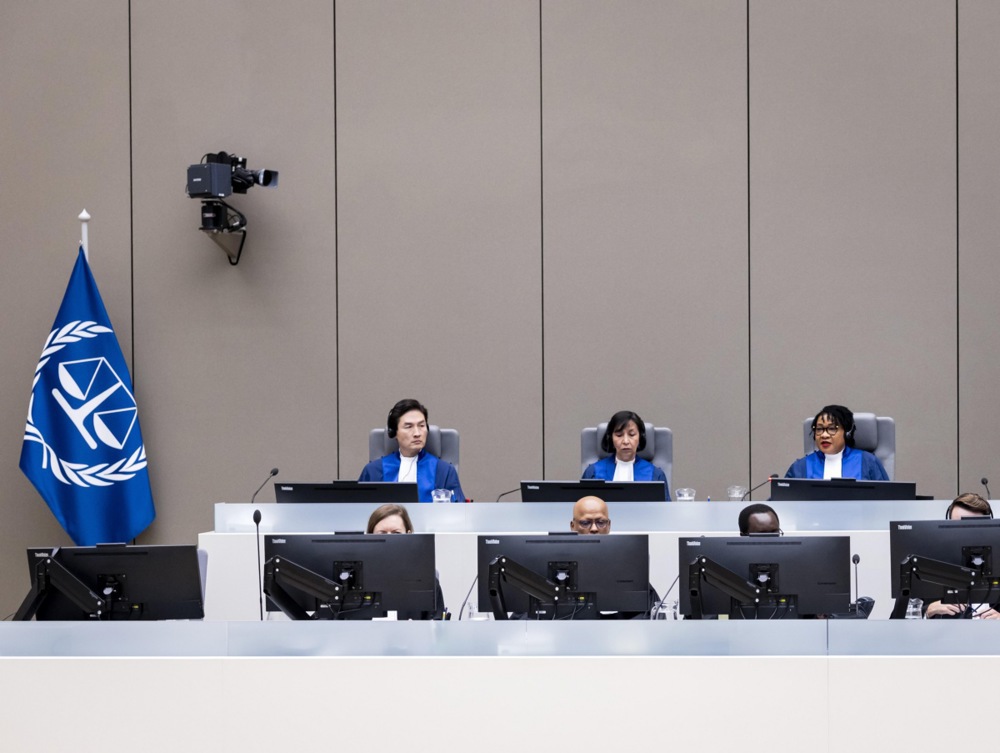
The European Commission has so far been cautious about using the EU’s Blocking Statute to protect the International Criminal Court (ICC) from US sanctions. On 14 October, it said discussions were continuing. Nine days later, it advised European companies to continue providing services to the Court, relying on temporary US authorisations and ongoing diplomacy. That is not a durable strategy. On 9 October, the Trump administration placed the ICC itself on the US sanctions list. Europe must now decide whether it is prepared to defend the independence of an international court in practice, not just in words. The immediate deadline is 7 April 2027. The broad US general licence currently authorising transactions necessary to maintain the Court’s operations expires on that date. It covers essential activities such as salaries, insurance, contributions by States Parties and routine commercial services. Three other US licences cover more specific areas, including telecommunications and software, pensions and certain transactions involving ICC detainees. They do not share the same expiry date. But General License 13 provides the broad operational breathing space on which the Court currently depends. Washington has presented this six-month period as an opportunity for States Parties to address its concerns. These include withdrawing arrest warrants against Israeli leaders, formally closing the Afghanistan investigation insofar as it concerns alleged crimes by US personnel, and changing the Rome Statute to prevent the Court from exercising jurisdiction over US nationals, even where alleged crimes are committed on the territory of a State Party. The principle at stake is fundamental: the ICC’s jurisdiction is established by law, not by the political preferences of governments. A court forced to trade judicial independence for the ability to operate cannot fulfil its mandate. A political opening in Washington The Democrats have won control of both chambers of the US Congress in the midterm elections. The new Congress takes office in January. President Donald Trump retains his veto, so a legislative reversal of the sanctions is unlikely. But an opposition-controlled Congress can hold hearings, exercise oversight and scrutinise the costs of the sanctions for American banks and technology companies. Brussels should not assume that the Democrats are natural allies. In January 2025, 45 House Democrats voted for a Republican bill to sanction the ICC. Senate Democrats subsequently blocked it, partly because of concerns about its breadth and its consequences for US businesses and allies. Europe’s strongest argument in Washington is therefore not simply defence of the Netanyahu arrest warrants. It is that a president is using emergency economic powers to target an independent court and the companies that serve it, damaging American interests and relations with its allies. The pressure goes further. In July, at a closed-door meeting of Nato ambassadors in Brussels, US ambassador Matthew Whitaker urged allies to withdraw from the Rome Statute and end material support for the ICC, according to reporting on a US diplomatic document. This was an American demand, not a Nato position. Every Nato member except the United States and Türkiye is a party to the Rome Statute. They should not be pressured into abandoning their commitment to the Court.
The clock is ticking: Europe is running out of time to save the International Criminal Court
Full Article
Original Source
Read the full article at Euobserver →KhanList aggregates and links to publicly available news content. We do not host full articles from third-party sources. Always verify important information with original sources.