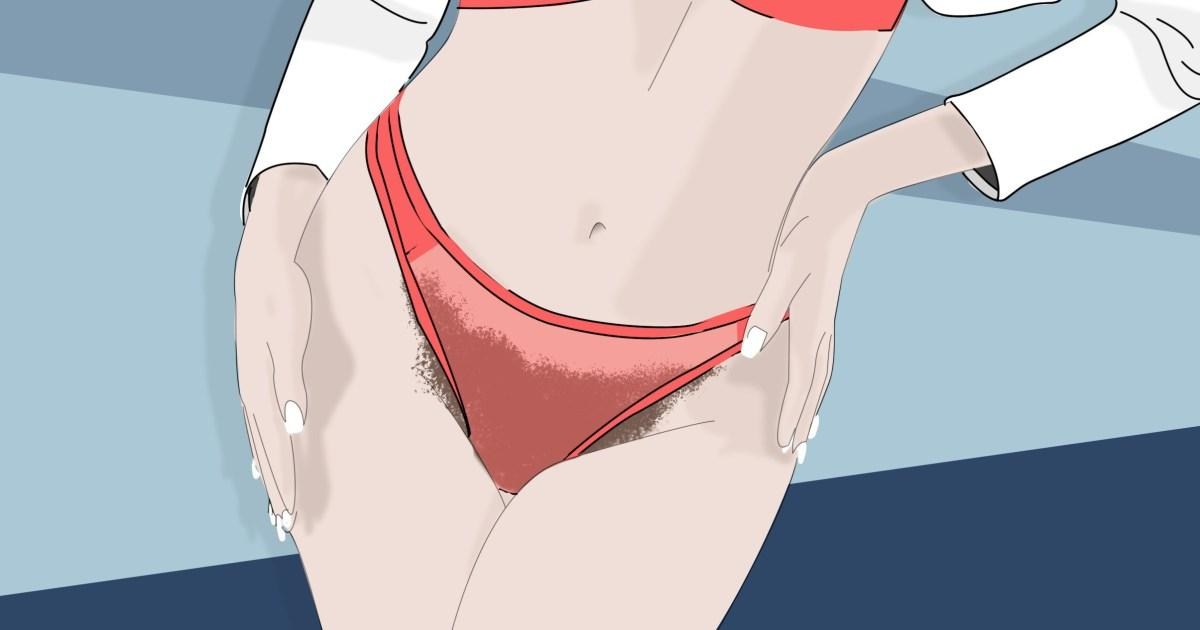
Pubic hair might be back in style but it comes with a catch… literally (Picture: Myles Goode) As Miley Cyrus — who bared her unshaven bikini line in the latest edition of Wonderland — has proven, pubic hair is officially cool again. But as the bush continues to grow in popularity, it’s left some with an unexpected problem in their pants. Women who’ve abandoned the Hollywood or Brazilian in favour of a more grown-out look are reporting pain when their pubes get longer; an issue social media users have dubbed whisker fatigue. This term was coined after TikTok creator, Jules, took to the app to ask: ‘Does anyone else’s bush hurt when it gets too long? It feels like when you take down a ponytail after having it in all day but with spikes.’ It quickly took hold, and the video now boasts 6.9 million views, with commenters calling the name ‘diabolical but unfortunately accurate’. Ask Metro Use AI to go deeper into the stories you care about – powered by Metro and trusted publications. Thousands also said they’d experienced so-called whisker fatigue themselves, claiming going au naturel makes them ‘feels bruised’ down there, or creates a ‘stinging’ or ‘irritating’ sensation. Why can pubes be painful? ‘Very long pubic hair can become uncomfortable because the hairs are coarse and curly,’ Dr Nikki Ramskill, founder of The Female Health Doctor Clinic, tells Metro. Sign up to The Hook-Up, Metro's sex and dating newsletter Love reading juicy stories like this? Need some tips for how to spice things up in the bedroom? Sign up to The Hook-Up and we'll slide into your inbox every week with all the latest sex and dating stories from Metro. We can't wait for you to join us! ‘They can then bend back on themselves, tug at the skin, or get caught in clothing and underwear. This constant pulling can feel like a sharp, irritating pain, a bit like when the hair on your head gets tugged.’ Dr Ramskill adds: ‘When hairs are pulled or bent, the tiny nerves around each follicle get stimulated, which is what causes pain or sensitivity.’ With 32% of Brits preferring a low maintenance approach when it comes to pubes, you’re likely not alone if you feel this discomfort. Why else might you get pubic hair pain? According to the doctor, alongside shaving, not doing so for months on end actually increases the chance of ingrown hairs too. ‘These can become sore, inflamed and possibly infected,’ Dr Ramskill, for Doctify, says. ‘It happens when long hairs curl back into the skin, causing red, painful bumps.’ When pubic hair is especially long, it can also cause chafing and irritation as your hairs rub against skin or fabric — especially when you exercise. ‘You may even experience tugging or pulling of the hairs during sex, which can be painful it the pubic strands get caught,’ Dr Ramskill explains. And while the last problem that could arise is more superficial, she also notes that an overgrown bush ‘can trap sweat, bacteria, and discharge, making the area feel less fresh.’ What can you do to prevent whisker fatigue? The simple answer is to keep your pubic hair trimmed to a length where you don’t feel discomfort. ‘That said, pubic hair itself isn’t unhealthy, it actually plays a protective role, reducing friction and providing a barrier against bacteria,’ the doctor says. A trimmed style is actually preferred by 46% of women and it’s the most-liked pubic hairstyle for women by both men and women, with just 23% of women preferring to be completely shaved. Dr Ramskill adds: ‘Whether someone chooses to trim, remove or leave their pubic hair is a personal choice, but if it starts to feel uncomfortable, trimming can help relieve the problem.’ How to deal with ingrown hairs Coarse and curly hair, like in your pubic area, can lead to ingrown hairs, as can waxing, plucking and threading. If you want to avoid them, here’s what — and what not — to do. Don’t: Shave too close – leaving some stubble can stop bacteria getting in Use a blunt razor Shave every day, if possible Scratch, pick or squeeze ingrown hairs, as this can damage your skin and lead to infection Do: Wet your skin with warm water and use shaving gel Shave in the direction the hairs are growing Use as few strokes of the razor as possible Rinse the razor after every stroke Hold a cool, wet cloth to your skin after shaving to reduce irritation Use an exfoliating scrub to help release any trapped hairs Try a different hair removal method, such as hair removal cream Try a long-term way of removing hair, such as laser treatment See a GP if an ingrown hair or the area around it is very painful, hot or swollen, or you have an ingrown hair and have a high temperature, or you feel hot, shivery or very unwell. Source: NHS Deals of the Day Wuka launches the UK’s first period-proof swimwear for heavy flows Bridgerton fans are rushing to buy these new Netflix-inspired perfumes now £12 off The affordable summer wardrobe update you'll wear from rooftop drinks to beach holidays The £7.99 lip balm beauty fans love for glossy, hydrated lips just dropped four new shades This Keskine hydrogel mask could fix your summer skin A version of this article was originally published on August 28, 2025. Do you have a story you’d like to share? Get in touch by emailing MetroLifestyleTeam@metro.co.uk Arrow MORE: The dangerous power adaptors holidaymakers need to avoid this summer Arrow MORE: Another heatwave is here — and it could be messing with your contraceptive pill Arrow MORE: Wilting in the heatwave? So are your condoms — avoid this common mistake The Slice Your free newsletter guide to the best London has on offer, from drinks deals to restaurant reviews.
The bush is back — but ‘whisker fatigue’ is the unexpected side effect
Full Article
Original Source
Read the full article at Metro →KhanList aggregates and links to publicly available news content. We do not host full articles from third-party sources. Always verify important information with original sources.