
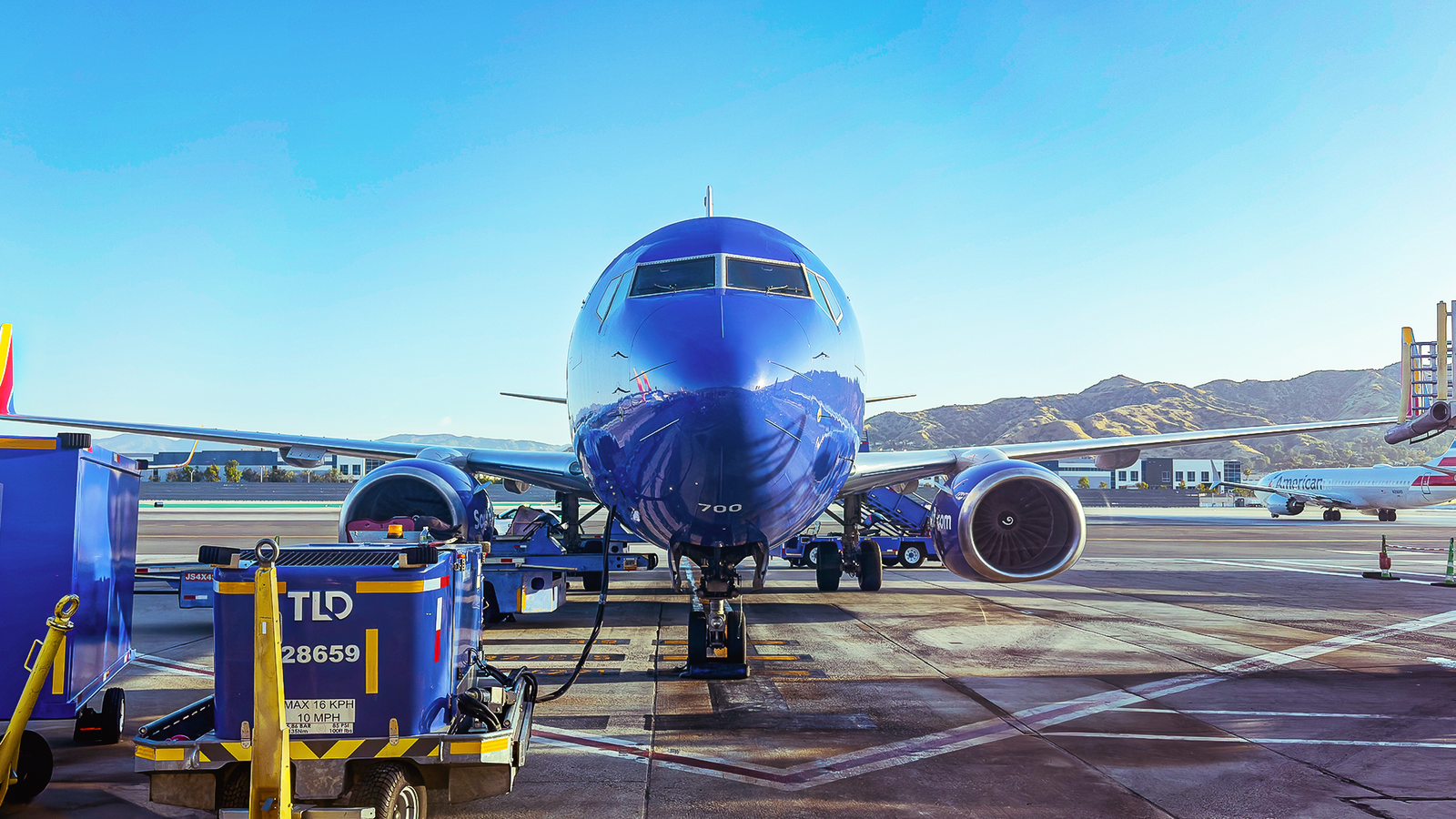
The symbiotic relationship between Southwest Airlines and the Boeing 737 Next Generation family has defined the very essence of low-cost domestic travel. Operating hundreds of Boeing 737-700 and Boeing 737-800 aircraft, the carrier built its legendary point-to-point network around the reliability, commonality, and rugged versatility of Boeing’s popular narrowbody workhorse. These airframes logged millions of flight hours, connecting passengers across thousands of city pairs while fostering an operational culture deeply rooted in single-type fleet efficiency. During its September 2024 Investor Day, Southwest made a decision that stunned industry observers: a firm commitment to retire all 571 Next Generation aircraft by the end of 2031 in favor of an all-MAX fleet. This decision comes even though many of these airframes retain substantial structural and calendar life and can fly for years to come. The move is part of a profound evolution in modern airline fleet planning, where superior fuel efficiency, reduced emissions, and higher seating capacity outweigh the mechanical longevity of mature narrowbody types. Halving The Average Fleet Age It cannot be overstated how significant Southwest's pivot is, especially given the sheer scale of the fleet involved in this generational transition. Operating 450 Next Generation aircraft consisting of 262 737-700s and 188 737-800s in active service, according to ch-aviation. Southwest is the largest operator of the type in global aviation, by some distance. These aircraft have been the fundamental building blocks of the airline's dense domestic schedules, operating multiple short-to-medium-haul legs daily with exceptional dispatch reliability. The cornerstone of the 2031 roadmap is a dramatic rejuvenation of the carrier's asset profile, designed to bring down the average age of its operating fleet from approximately 11.5 years to just 5 years, as reported by Airline Geeks. By replacing older NG variants with new Boeing 737 MAX 8 and upcoming MAX 7 airframes, Southwest aims to modernize its operational footprint while enhancing environmental performance. Completing a retirement campaign of this scale will not come without its challenges, especially in managing manufacturer delivery schedules, regulatory certifications, and network capacity demands. While the end-of-2031 target provides a clear strategic horizon, executive leadership has acknowledged that the exact pace remains tethered to Boeing's delivery cadence and certification timelines for smaller variant types. Consequently, while the ultimate destination is an all-MAX operational model, the winding down of the Next Generation era will be a methodical, multi-year process. Efficiency Is Too Important To Ignore The underlying justification for moving away from the 737 Next Generation family centers entirely on modern thermodynamic efficiency and seating economics. When Southwest introduced the 737 MAX 8 into active service, manufacturer projections indicated a fuel burn reduction of approximately 14% compared to the NG airframes. In operational practice, Southwest annual reports have consistently credited fleet-wide fuel savings to the strategic integration of MAX aircraft alongside the systematic retirement of older 737-700s, turning environmental efficiency into a powerful bottom-line advantage. A standard Southwest 737-700 accommodates 143 passengers in a single-class configuration, whereas the larger MAX 8 expands capacity to 175 passengers. This density gain allows the carrier to generate significantly higher revenue per departure on high-demand trunk routes without increasing aircraft count or slot footprint at congested airports. Ultimately, the economic performance gap between NG and MAX equipment becomes insurmountable for long-term fleet planning because of the higher passenger counts with lower fuel burn per seat. Transitioning away from legacy NGs enables Southwest to compress its average fleet age, with benefits that may not seem obvious at first. Operating a substantially younger aircraft family slashes unscheduled maintenance events, reduces component replacement costs, and enhances schedule reliability across thousands of daily departures. The airframes of the older generation are still airworthy, but the sheer financial velocity of MAX-generation operating margins makes retaining the older fleet commercially unjustifiable. Is The Retirement Plan On Track? Embarking on a fleet transition of this magnitude, however, is heavily constrained by external aerospace supply chains and manufacturer delivery cadences. Southwest originally outlined an ambitious target to phase out all Next Generation aircraft by the end of 2031, but the pace of this retirement campaign is intrinsically tied to Boeing's ability to roll out new single-aisle jets from its assembly lines. Supply chain issues, regulatory scrutiny, and production-rate adjustments have repeatedly pushed carriers worldwide to recalibrate their fleet retirement horizons. Recent operational cadences illustrate the delicate equilibrium needed between retirements and incoming deliveries. For instance, the airline retired 55 Next Generation aircraft in 2025, comprising 48 737-700s and 7 737-800s, while taking delivery of 55 new MAX 8 airframes, followed by planned schedules for roughly 66 MAX deliveries and 60 retirements in subsequent operating cycles, as per data from Cranky Flier. Annual delivery volumes fluctuate based on OEM manufacturing stability, so matching retirements one-to-one with new arrivals is a complex logistical challenge for fleet planners. Consequently, executive leadership has adopted a pragmatic stance regarding the timeline's rigidity. Chief Financial Officer Tom Doxey noted that Southwest still maintains more than 450 Next Generation airframes that will be phased out gradually for years to come, well into the next decade, according to Aviation Week. Of course, the 2031 target is the ultimate strategic horizon, but aircraft production backlogs will likely extend the twilight of the 737 NG era beyond initial projections. There Is Always The Next Life Southwest Airlines is aggressively shedding its Next Generation fleet to the point that the existing fleet seems far too outdated, though these airframes are far from obsolete and still have robust demand across the secondary global market. Regional carriers, leasing companies, and growing airlines eagerly queue for surplus 737-700 and 737-800 units, allowing Southwest to capitalize on strong secondhand asset valuations. Southwest is focused on monetizing select airframes and surplus spare engines while market conditions remain highly favorable. The cargo sector is a particularly lucrative second life for the larger 737-800 variants. Passenger-to-freighter (P2F) conversion programs have taken on substantial inventory from major operators looking to upgrade their fleets. According to market data compiled by aviation analytics firm IBA, operators completed 265 737-800 freighter conversions between January 2020 and August 2026. These numbers show that the airframe's structural integrity and engine reliability easily outlast its primary passenger utility for carriers chasing ultra-high-density MAX efficiencies. Consequently, the retirement of the Next Generation family is driven entirely by strategic single-fleet standardization rather than mechanical fatigue or structural exhaustion. Airframes leaving Southwest's active roster find immediate new leases on life hauling express freight or serving secondary passenger routes worldwide. It means that the 737 NG legacy will endure across global aviation networks long after Southwest completes its transition to an all-MAX operating model. Maintaining The Stature Of The Aircraft That Carried Southwest Managing a multi-year transition away from a massive fleet of aircraft takes careful coordination to maintain a consistent, competitive passenger experience on legacy airframes. The phase-out timeline extends well into the next decade, so Southwest cannot afford to let its remaining Next Generation cabins deteriorate while waiting for new deliveries. Passengers flying on older aircraft still need to enjoy a modern, comfortable onboard environment that aligns with the airline's brand standards. Southwest has therefore invested in targeted cabin refurbishments for select 737-700s slated for extended service during the twilight of the NG era. These interior refreshes include updated seating materials, modernized cabin lighting aesthetics, and refreshed bulkheads that mirror the interior ambiance of incoming MAX jets. By revitalizing passenger touchpoints on mature airframes, the airline is ensuring there is no perceptible drop in onboard quality for travelers during the multi-year handover period. The meticulous approach to the NG twilight highlights the operational pragmatism needed in modern fleet management. Even as executive leadership targets an all-future-generation fleet, maintaining the operational integrity and customer appeal of the existing inventory protects the carrier's reputation. The 737 Next Generation may no longer align with Southwest's long-term efficiency vision, but its final years in service are being treated with the same disciplined attention to detail that built the airline's success, and that is truly impressive. The Opportunity Is There For The Taking The retirement trajectory of the 737 Next Generation fleet illustrates a profound reality in modern commercial aviation: economic obsolescence frequently arrives long before structural exhaustion. Airframes like the 737-700 and 737-800 have decades of potential calendar and cycle life, as evidenced by booming passenger-to-freighter conversions and robust secondary market demand, but the rapid gains in fuel efficiency and seating capacity offered by newer generations make holding onto older assets financially unviable for major network operators. Decarbonization goals, emissions standards, and operating margin pressures dictate that remaining useful life is superseded by the immediate return on investment delivered by modern engine and wing architectures. Southwest is now well on its delivery-dependent path toward an all-MAX operating model over the coming decade, and once this transition is complete, the airline will likely permanently reshape North American single-aisle operations. Phasing out hundreds of airframes to establish a uniform, ultra-young fleet profile sets a new benchmark for low-cost carrier fleet strategy, showing that even a legendary aircraft family must eventually yield to the relentless march of technological progress.
The Boeing 737 NG Still Has Years Of Flying Left, But Its Largest Operator Doesn't Want It Anymore
Full Article
Original Source
Read the full article at Simpleflying →KhanList aggregates and links to publicly available news content. We do not host full articles from third-party sources. Always verify important information with original sources.