
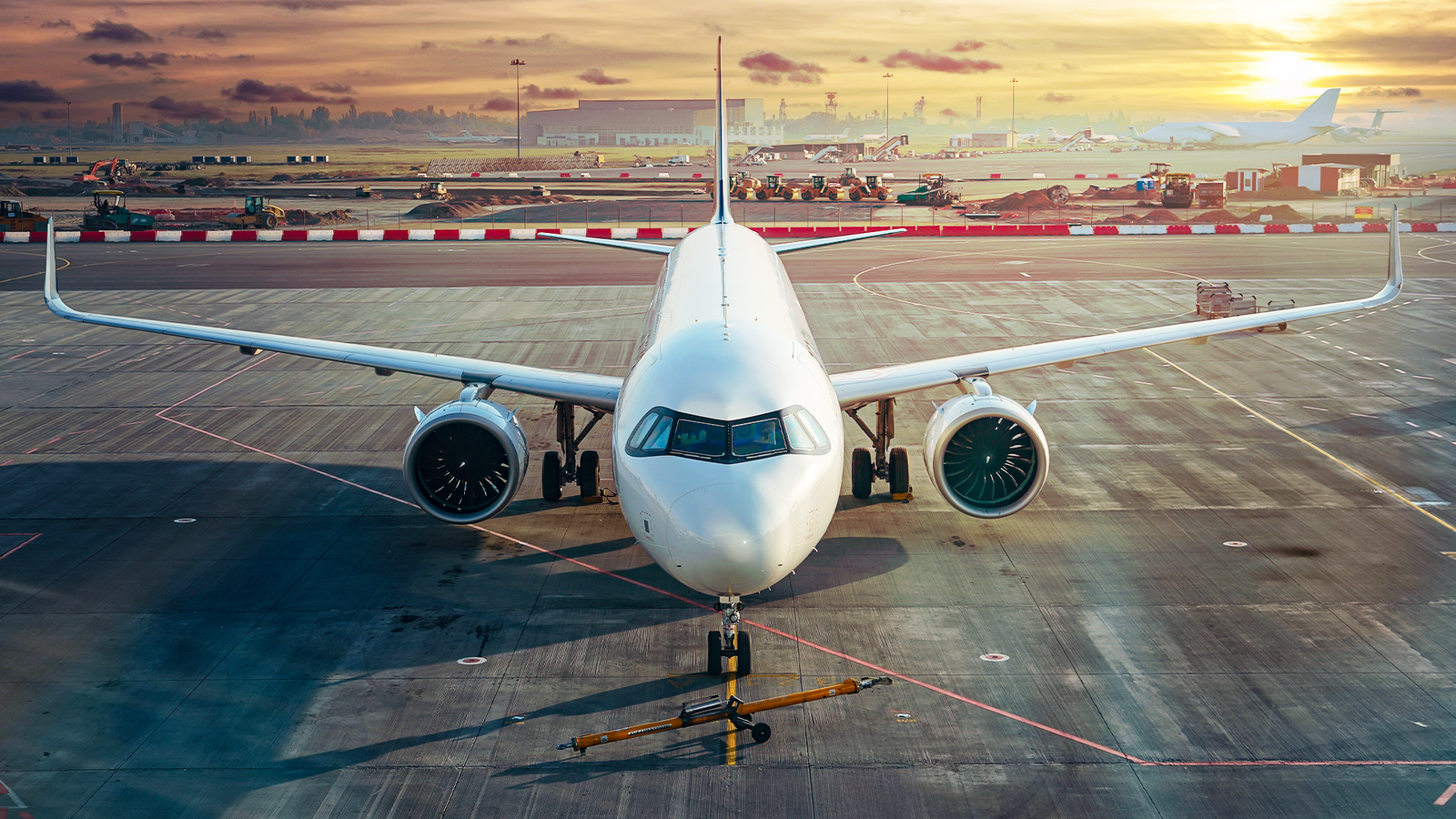
Published Nov 23, 2026, 5:00 PM EST Ethan is an aviation professional with a degree in Aviation Management with Flight from the Florida Institute of Technology. He previously wrote aviation and tourism features for Florida Tech’s student newspaper, The Crimson, where he developed a clear, reader‑focused reporting style. Aviation journalism has remained a consistent priority throughout his career. He currently holds a Restricted ATP and Commercial Multi‑Engine Pilot certificate and works in aviation supply chain and aircraft component repair. Alongside his industry role, he is pursuing his Certified Flight Instructor rating and actively building flight experience. A lifelong aviation enthusiast, Ethan spent countless hours at Raleigh–Durham International Airport’s observation deck studying air traffic and practicing amateur photography and videography. While household names such as United Airlines and Lufthansa dominate the skies in terms of fleet count, there are many companies in existence that have similarly sized fleets that do not carry passengers or cargo, nor do they operate charter missions. These companies never sell a ticket, operate a route, or pursue significant branding campaigns. Some of these firms control fleets worth tens of billions of dollars, and one owns more aircraft than many of the airlines the public recognizes. The airline industry is composed primarily of two main financial systems: ownership and lease. Many companies such as Delta Air Lines are known for owning a high percentage of their fleet, notably their older Boeing 717 or Boeing 767 fleets. However, the majority of airlines lease a portion of their jets, as many aircraft with long order backlogs at the manufacturer itself can be hard to obtain. Leasing is a common way to bypass delivery delays. Credit: AerCap Most people assume airlines buy the aircraft they fly. Increasingly, that is not the case. According to the International Air Transport Association (IATA), leasing now accounts for more than half of the world's commercial fleet, making aircraft leasing one of the most important yet least visible sectors in aviation. Rather than purchasing aircraft outright, many airlines rent them under long-term agreements from specialized leasing companies. The scale of those firms is difficult to appreciate until their fleets are examined. AerCap, the world's largest aircraft lessor, reported owning 1,501 aircraft and managing another 148 at the end of 2025, with an additional 283 aircraft on order. Those figures make AerCap a larger aircraft owner than many of the world's biggest airlines. Meanwhile, competitors such as SMBC Aviation Capital, Avolon, BOC Aviation, and Air Lease Corporation collectively control thousands more aircraft worth hundreds of billions of dollars. However, ownership and operation are not the same thing. If airlines do not own many of the aircraft they fly, why would they willingly hand that responsibility to someone else? While there are many sides to the discussion, the answer relates to the complexities of operating an airplane to begin with, which is far more involved than car or boat ownership, for example. Why Airlines Often Choose To Lease Instead Of Buy Credit: Vytautas Kielaitis | Shutterstock A new Boeing 787-9 carries a list price exceeding $300 million, while even narrowbody aircraft represent investments worth tens of millions of dollars each. Purchasing hundreds of aircraft outright would require enormous amounts of capital that airlines often prefer to dedicate elsewhere. Dry leasing is the most common and most cost-effective way to accomplish this cost benefit. Aircraft leasing allows airlines to expand fleets without making the full upfront purchase themselves. Instead, leasing firms acquire aircraft from manufacturers such as Boeing and Airbus and lease them to airlines over periods that frequently range from six to twelve years. Airlines gain access to modern aircraft while preserving cash and reducing financial risk. Company Aircraft Owned/Managed (2025-2026) AerCap 1,649 owned and managed United Mainline Fleet 1,066 United Mainline + Regional Fleet 1,490 SMBC Aviation Capital Hundreds of owned and investor-serviced aircraft Avolon Hundreds of owned aircraft and major order book While having direct operating authority of 1,066 aircraft, United Airlines' fleet also includes a subsection of leased aircraft, according to the SEC. This figure comprises 958 owned and 108 leased, at the end of 2025. This number is significantly less than AerCap's total number of active leases, which, on paper, causes AerCap to resemble a major international airline. What It Looks Like When The Owner & Operator Are Different Credit: Alexandre Rotenberg | Shutterstock In practice, passengers rarely notice that a different company owns the aircraft they are flying on. Under a dry lease, the lessor provides the aircraft while the airline supplies its own pilots, maintenance program, insurance, and operating certificates. To passengers, the aircraft appears no different from any other jet in the airline's fleet. One recent example comes from Avolon's reported October 2025 sale-and-leaseback agreement with TAAG Angola Airlines involving 787-9 aircraft. In that arrangement, the aircraft are operated by TAAG, but ownership remains with the leasing company. Similar transactions occur throughout the industry and frequently involve new aircraft deliveries from Boeing and Airbus. An aircraft may spend its entire operational life flying for airlines that never technically own it. A wet lease is an entirely different form of leasing, provided by companies like Heston Airlines, Hi Fly, or Wamos Air. The aircraft is frequently in the livery of the lessor, although not always. Further, the in-flight service, cabin crew, and standards are all those of the lessor company. Wet leases generally have a higher cost than dry leases, and are generally shorter in term. The Power Of Lessors Credit: Piotr Swat | Shutterstock The influence of lessors extends far beyond simple ownership. Because companies such as AerCap, Avolon, and SMBC Aviation Capital place enormous aircraft orders, they have become some of Boeing's and Airbus' most important customers. Lessors routinely order aircraft years before identifying the airlines that will eventually operate them. This purchasing power became especially significant during recent supply chain constraints. CAPA reports that aircraft shortages and production delays have strengthened lessors' market positions by increasing aircraft values and lease rates. Airlines seeking growth often cannot wait years for new direct deliveries, making leased aircraft one of the few available solutions. The result is that lessors frequently influence what aircraft manufacturers build, how quickly airlines can expand, and even which carriers gain access to modern fleets. A major leasing company may place an order measured in hundreds of aircraft, a scale that rivals the purchasing power of many national airlines. Orders placed by airlines themselves to manufacturers such as Boeing or Airbus are typically more noteworthy. They represent a larger upfront financial commitment and a known destination for production aircraft. Orders placed by lessors are less noteworthy, but still significant from an operational standpoint. While the end user of the aircraft is not known when, for example, AerCap placed an order for 100 Airbus jets, such an order boosts the inventory of a lessor. This not only provides options for customers, but an entirely different, and at times, more accessible way of expanding a fleet. Why Aircraft Lessors May Become Even More Important Credit: Bjoern Wylezich | Shutterstock The growing importance of lessors is increasingly tied to aircraft scarcity. Airbus and Boeing continue to work through substantial backlogs measured in thousands of aircraft. For airlines needing capacity sooner rather than later, leasing companies often represent the fastest available path to fleet growth. Leasing companies also offer smaller airlines and startup carriers alike a lower barrier to entry to operation than buying an aircraft outright from the producer. AerCap provides one of the clearest examples. The company website published an order book of 283 aircraft entering 2026 while simultaneously managing thousands of aviation assets, including engines and helicopters. That position effectively allows it to act as a bridge between manufacturers producing aircraft and airlines seeking them. Manufacturers in the aviation industry have the greatest amount of market control for their product. However, some of that power can be relinquished when a customer also acts as a distributor. The relationship between the manufacturer and the lessor creates an unusual balance of power. Manufacturers remain responsible for designing and producing aircraft, but the largest lessors have amassed order books so large that they have become some of Airbus' and Boeing's most important customers. Companies such as AerCap regularly place orders measured in the hundreds of aircraft, allowing them to negotiate from a position of strength while shaping fleet decisions across dozens of airlines simultaneously. The Next Aviation Power Struggle May Not Involve Airlines Credit: Adele Heidenreich | Shutterstock The future significance of aircraft lessors will likely depend on one simple metric: access to aircraft. Airlines can only grow as quickly as new aircraft become available, and both Airbus and Boeing continue to hold order backlogs extending years into the future. Major aircraft manufacturers, while experiencing high backlogs of orders and record customer interest, can lose control of the end use of their product when lessors place massive orders. That reality places unusual attention on companies such as AerCap, Avolon, and SMBC Aviation Capital. Their order books, delivery positions, and financing capabilities may determine which airlines can launch new routes, replace aging fleets, or enter emerging markets first. In an industry built around aircraft availability, the companies holding the keys to future deliveries may become as important as the carriers operating them. The next major test will come as manufacturers work through production constraints and thousands of aircraft currently sitting in order backlogs move toward delivery. Whether airlines continue shifting toward leased fleets or return to greater ownership could depend on how effectively Boeing and Airbus satisfy demand over the remainder of the decade. For passengers, the aircraft parked at the gate will probably continue wearing airline colors. The more interesting question is whether the real power behind those fleets increasingly belongs to companies whose names never appear on the boarding pass.
The Billion-Dollar Companies Behind Half Of The World's Commercial Aircraft
Full Article
Original Source
Read the full article at Simpleflying →KhanList aggregates and links to publicly available news content. We do not host full articles from third-party sources. Always verify important information with original sources.